Keiskamma Altarpiece
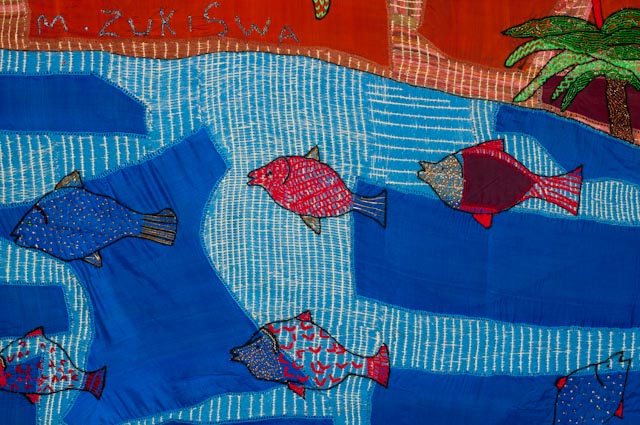
This monumental, multi-panel artwork was created in 2005 by more than 130 women and a few men from South Africa’s Eastern Cape province—an area severely affected by AIDS—to commemorate people who died of AIDS-related causes and celebrate the community’s determination to prevail…
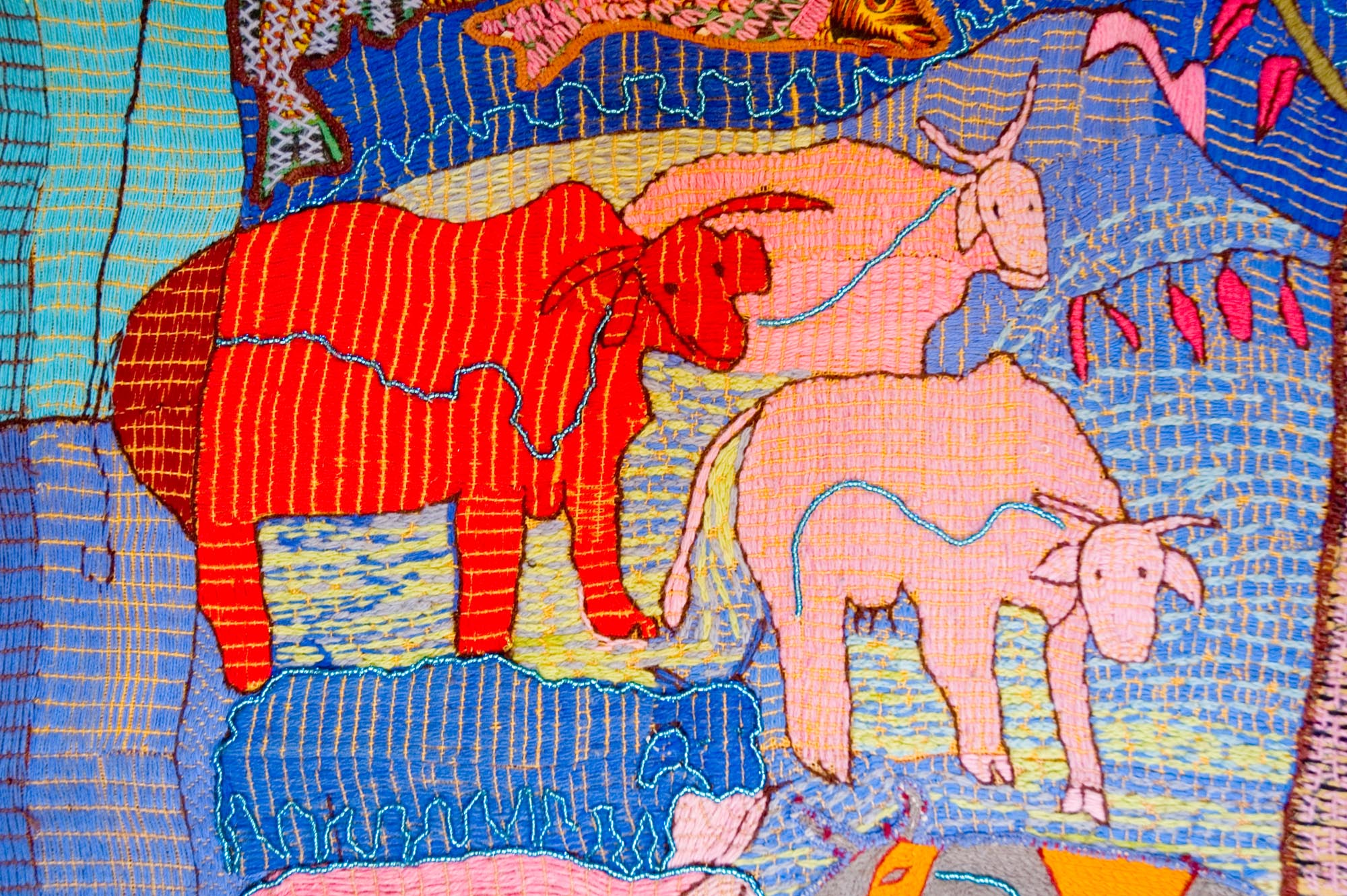
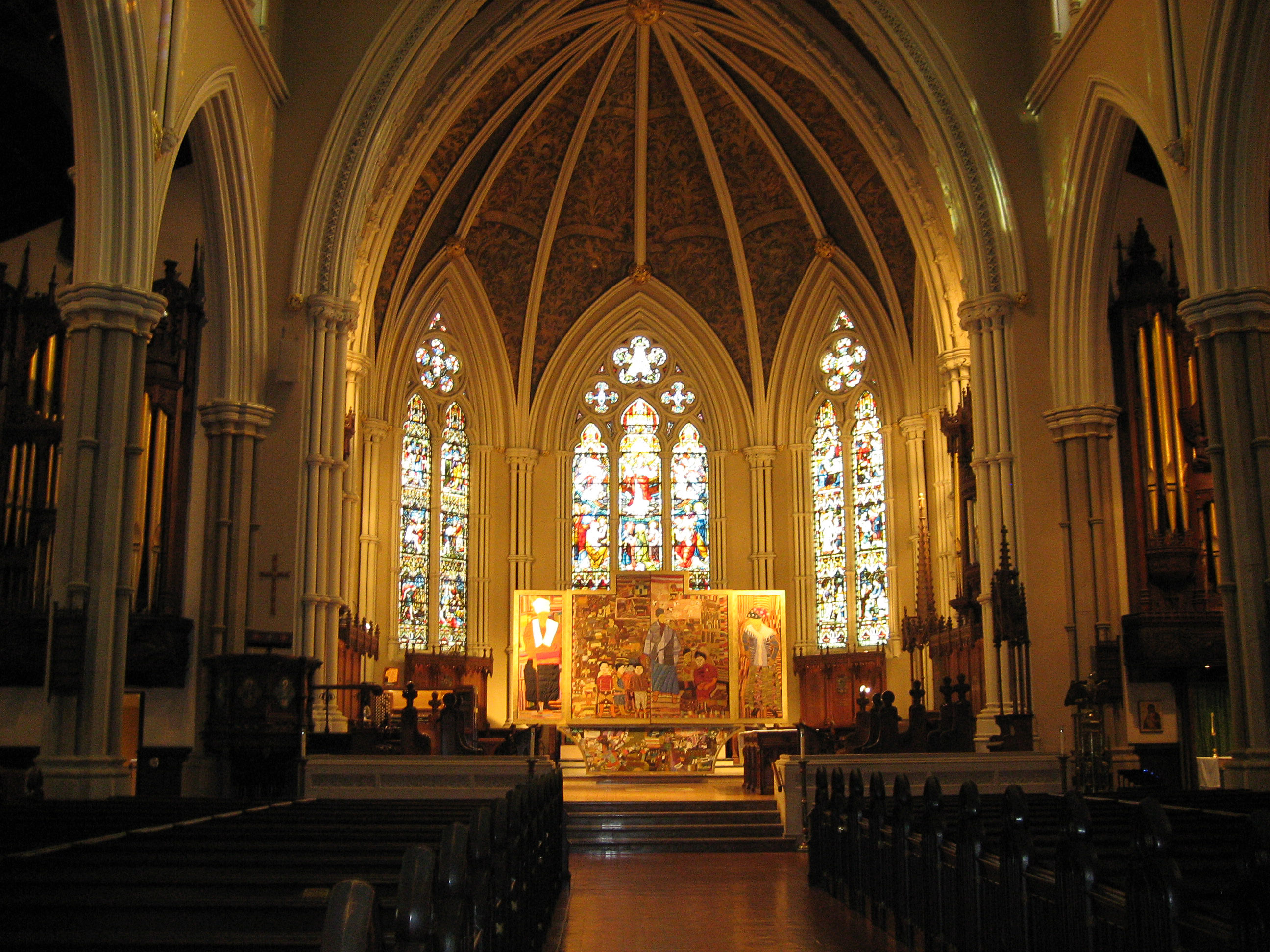
This monumental, multi-panel artwork was created in 2005 by more than 130 women and a few men from South Africa’s Eastern Cape province—an area severely affected by AIDS—to commemorate people who died of AIDS-related causes and celebrate the community’s determination to prevail amid the epidemic.
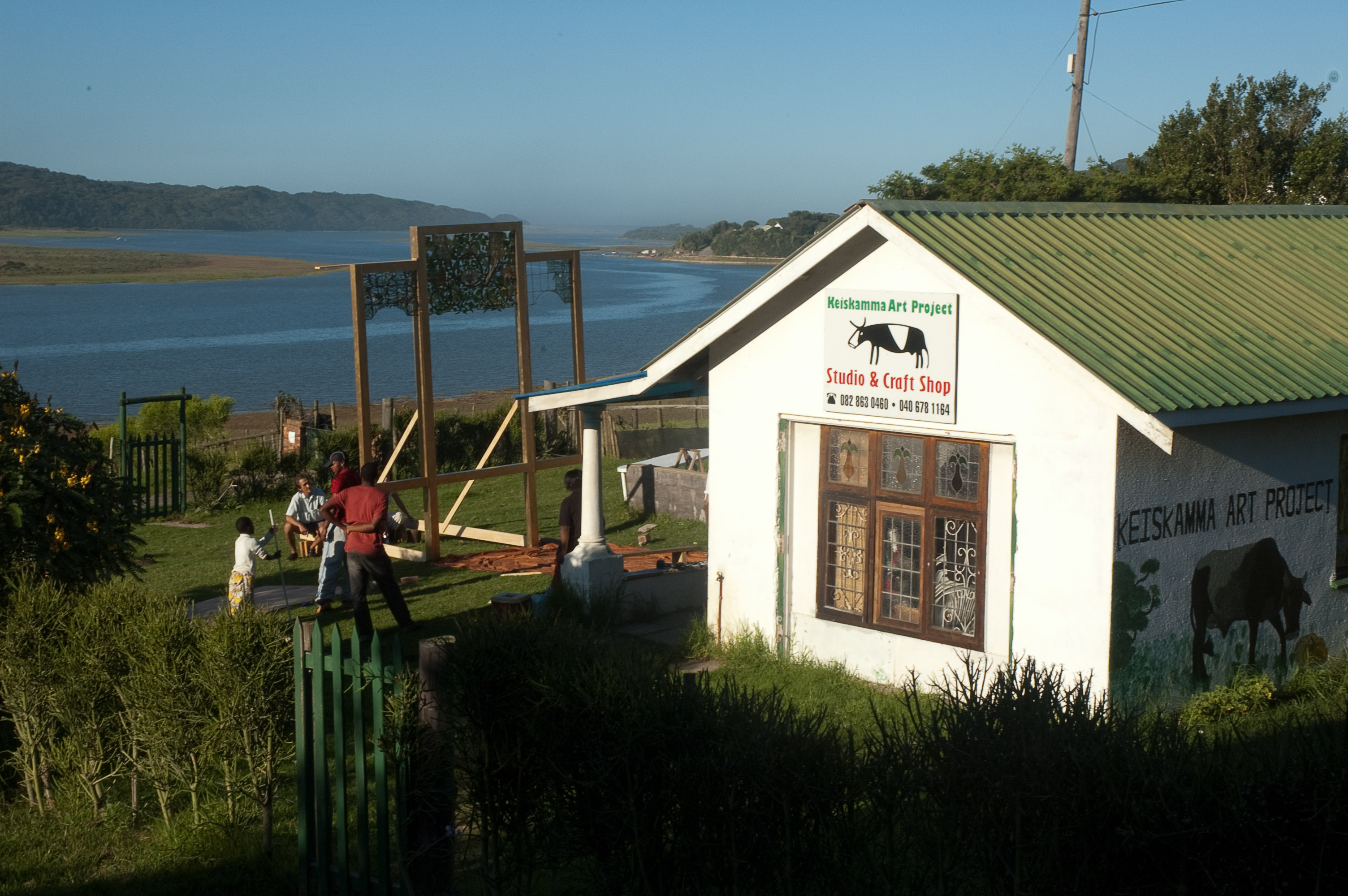
The Keiskamma Altarpiece originated in Hamburg, South Africa, a small fishing town severely affected by HIV/AIDS. Named after the Keiskamma River Valley, it became an example of how the arts can foster international solidarity and was presented to audiences in North America and Europe.
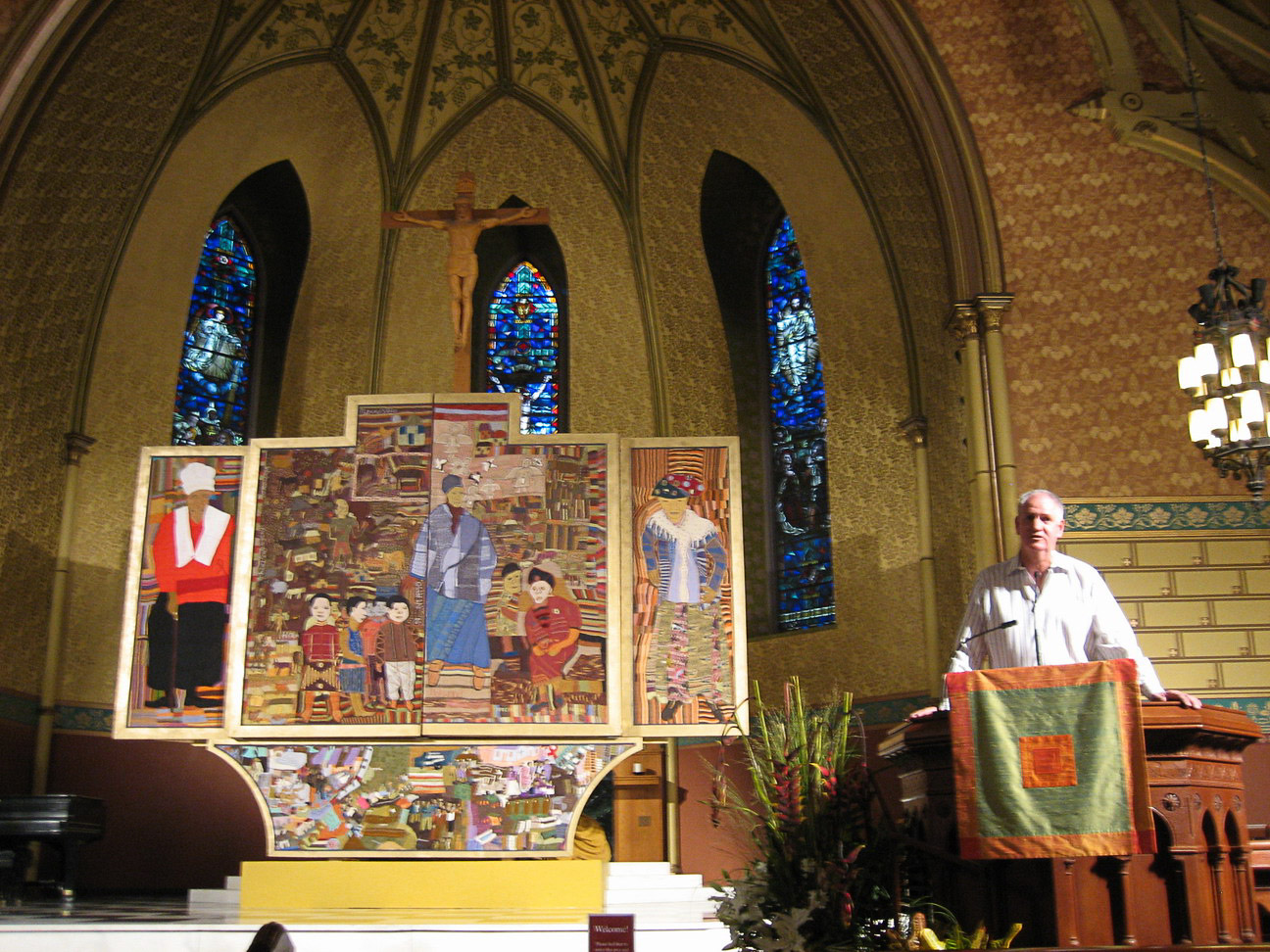
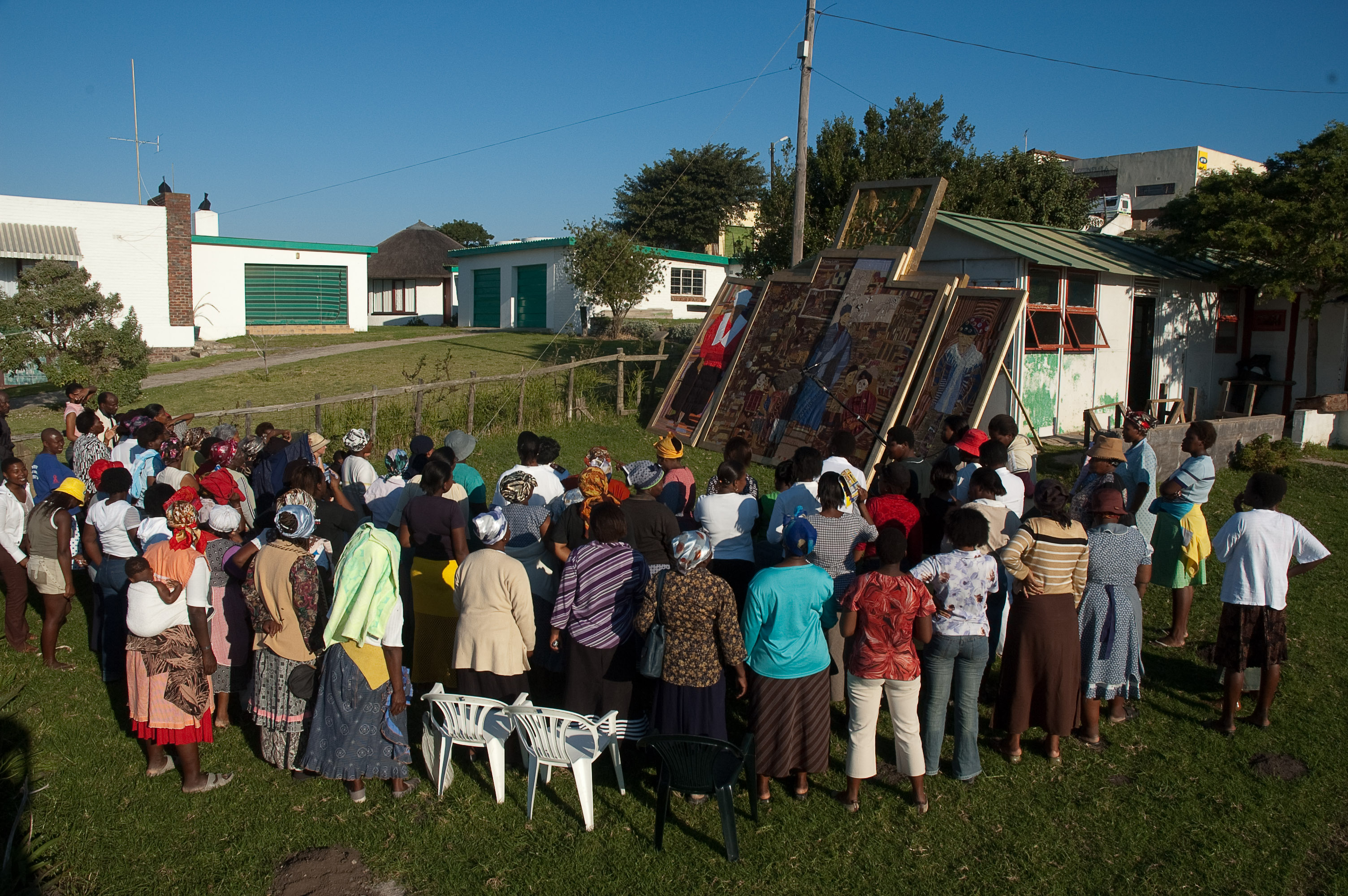
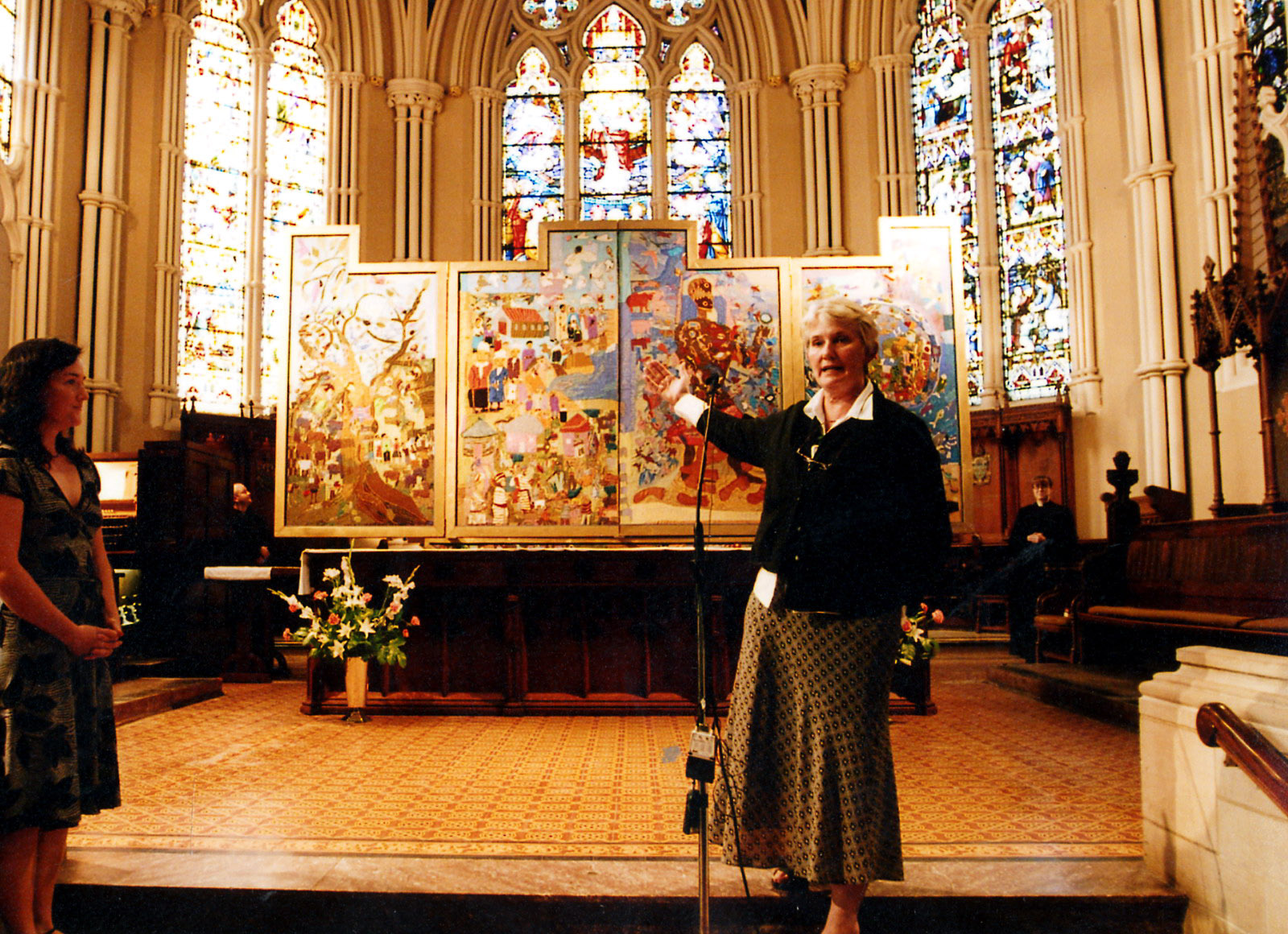
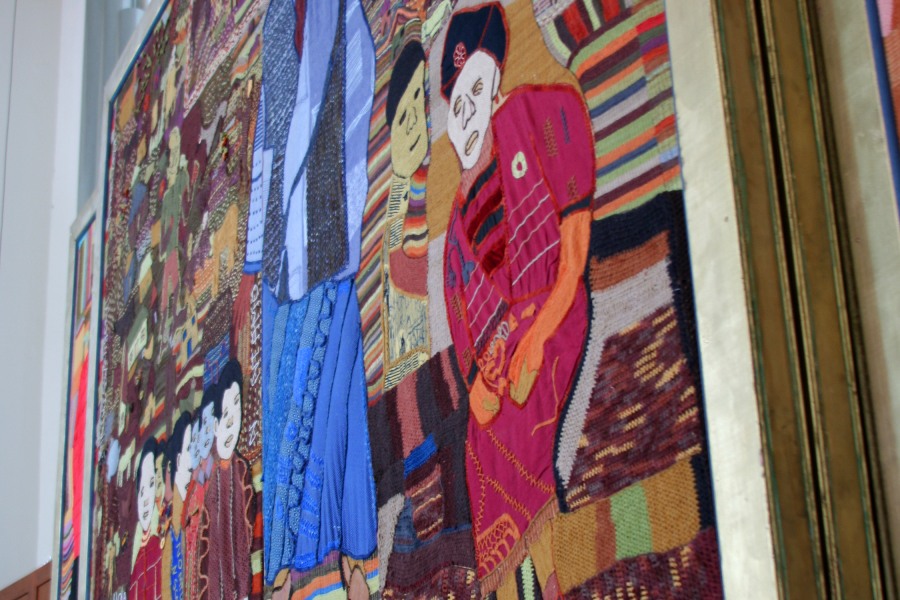
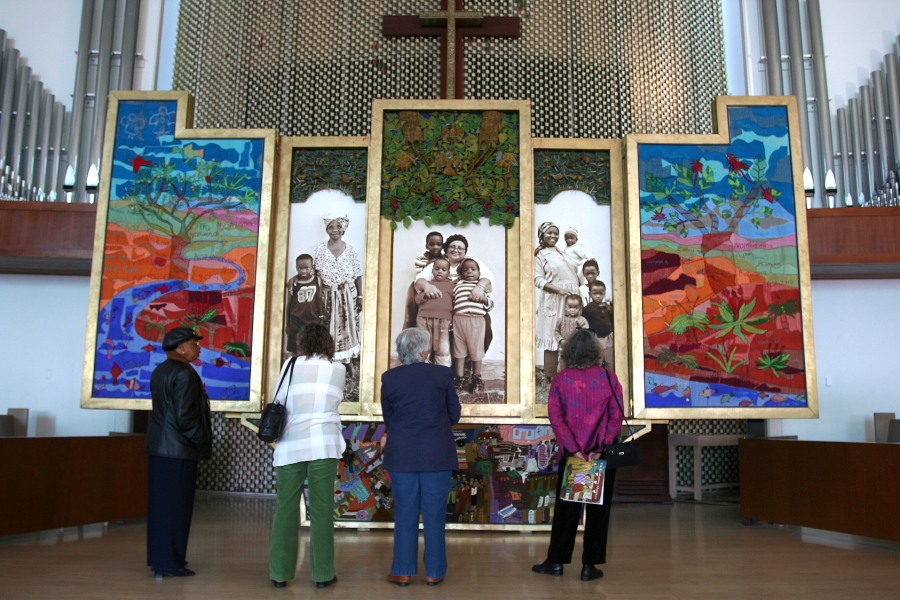
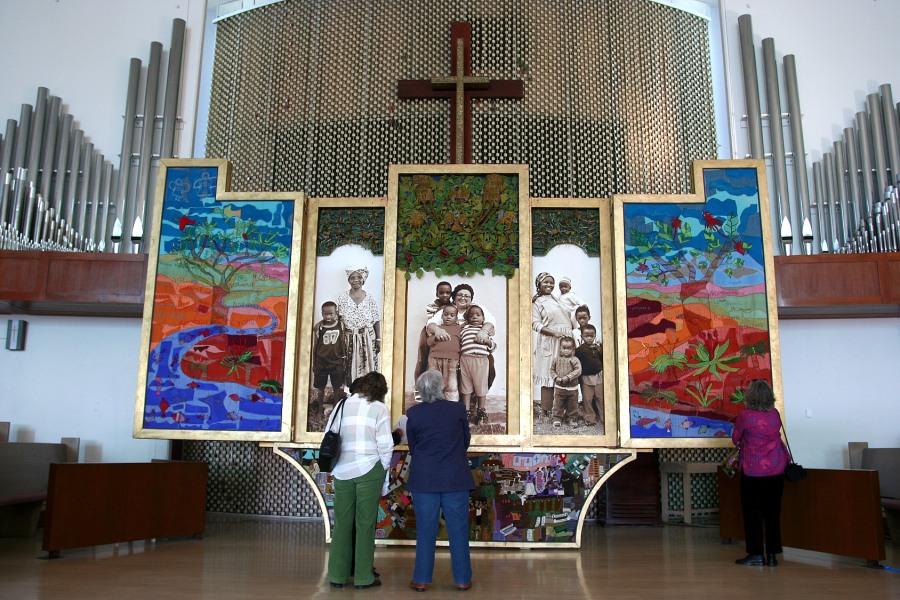
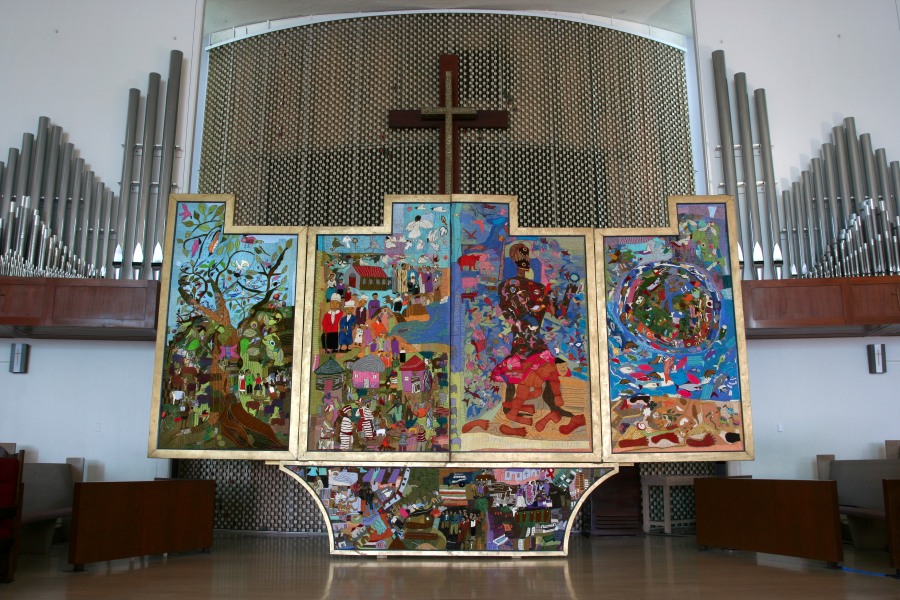
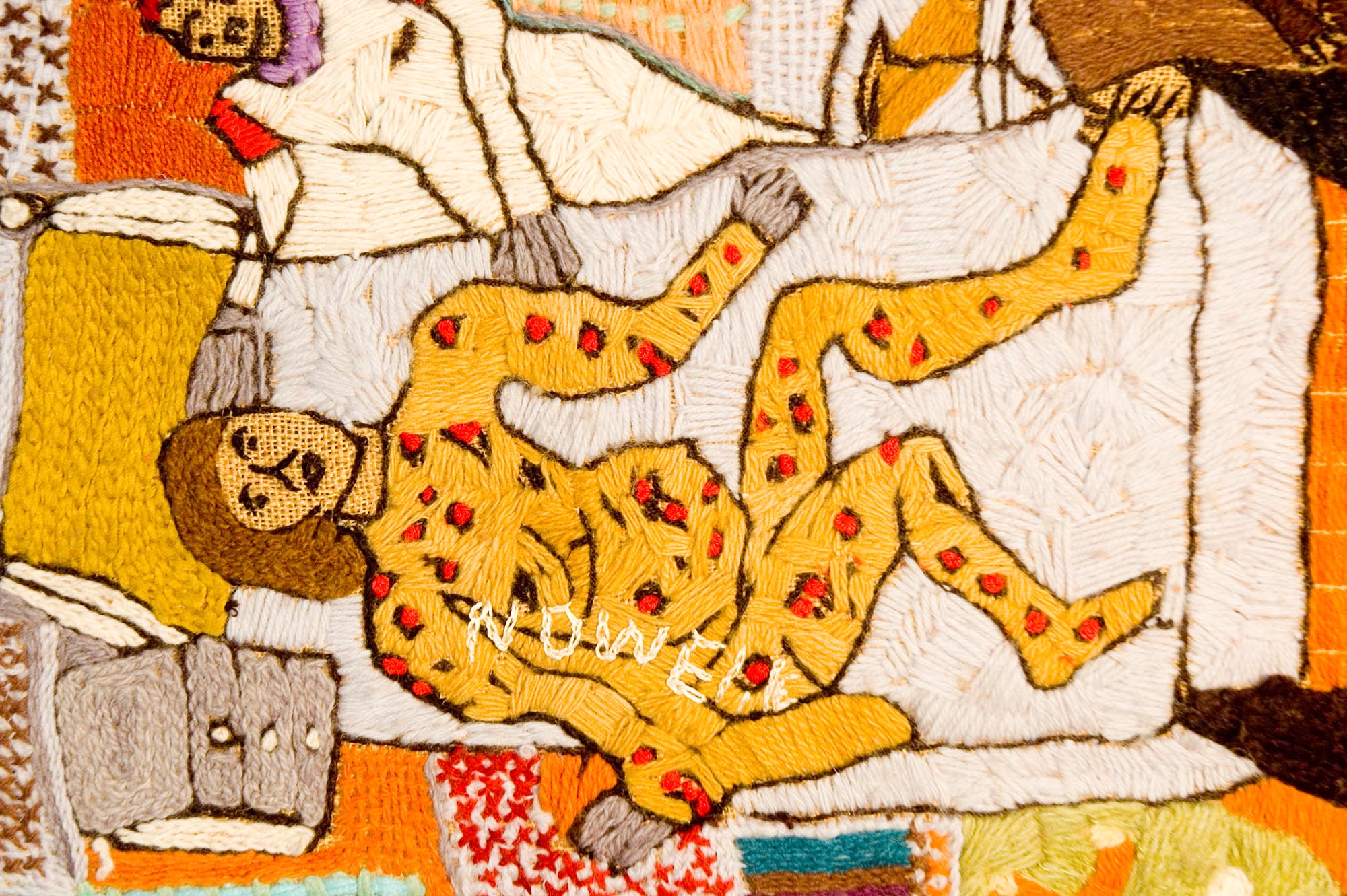
The Keiskamma Altarpiece was inspired by Matthias Grünewald’s Isenheim Altarpiece, painted during the German Renaissance for a monastery whose hospital specialized in the care of plague victims and people with skin diseases. Made in the same shape and dimensions as Grünewald’s work—13 feet tall by 22 feet wide—the Keiskamma Altarpiece told the story of the women of Hamburg’s resolve to prevail amid the devastating effects of HIV/AIDS.
Dr. Carol Hofmeyr, the only doctor working with HIV patients in the area, gave the women of Hamburg needles and thread to sew pillows to supplement their income. When the women demonstrated considerable skill and artistry, Hofmeyr offered the group more ambitious projects, including the towering altarpiece.
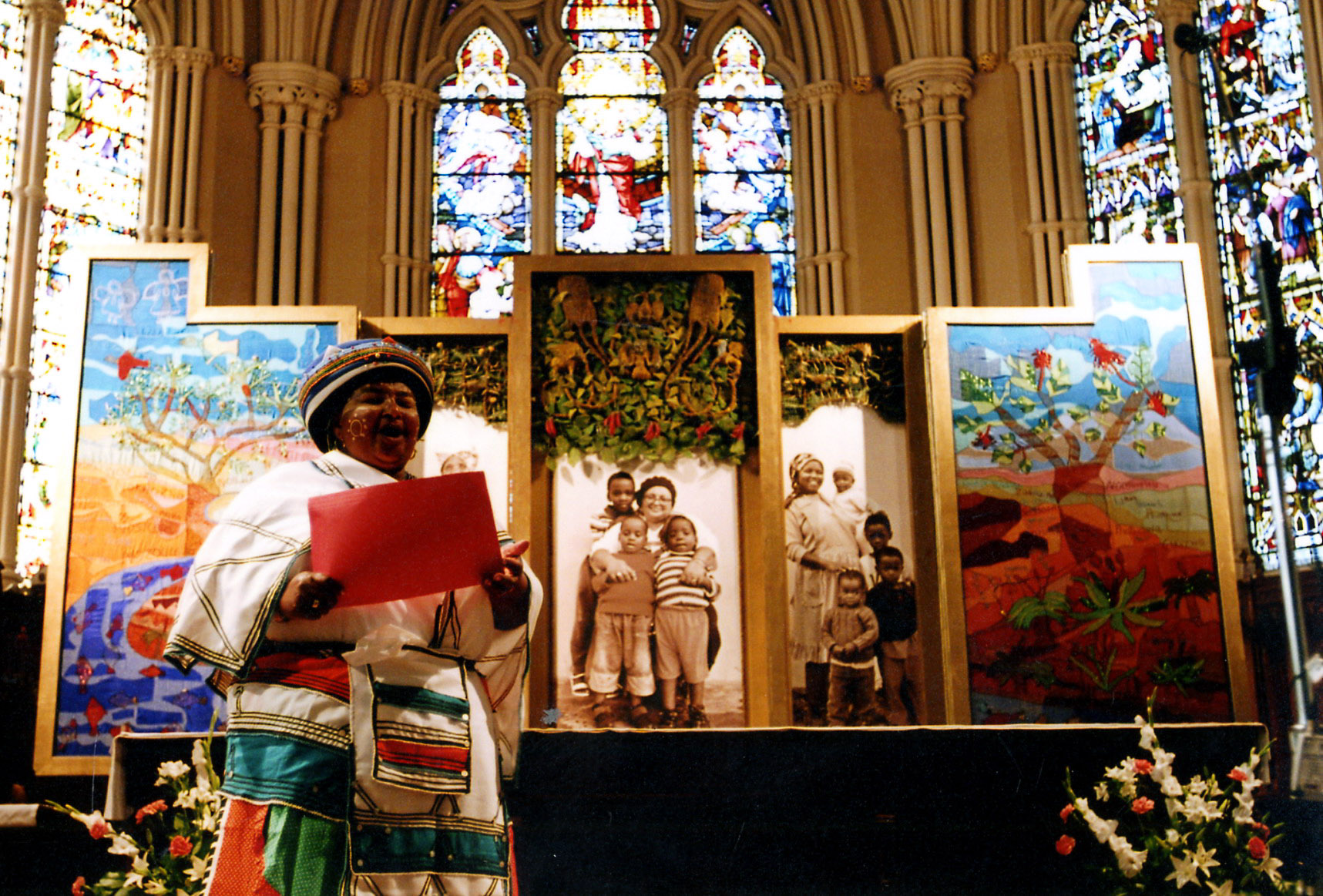
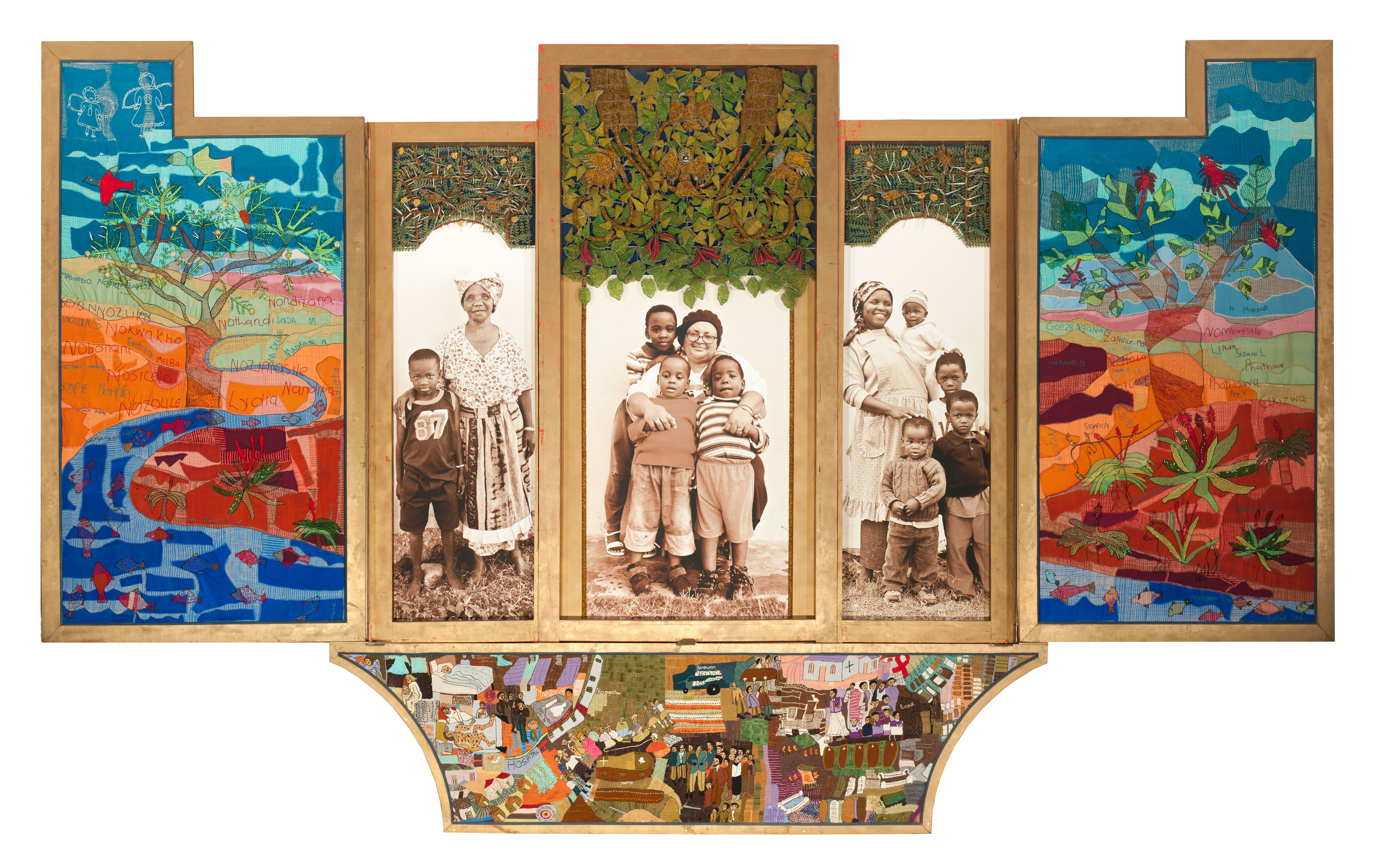
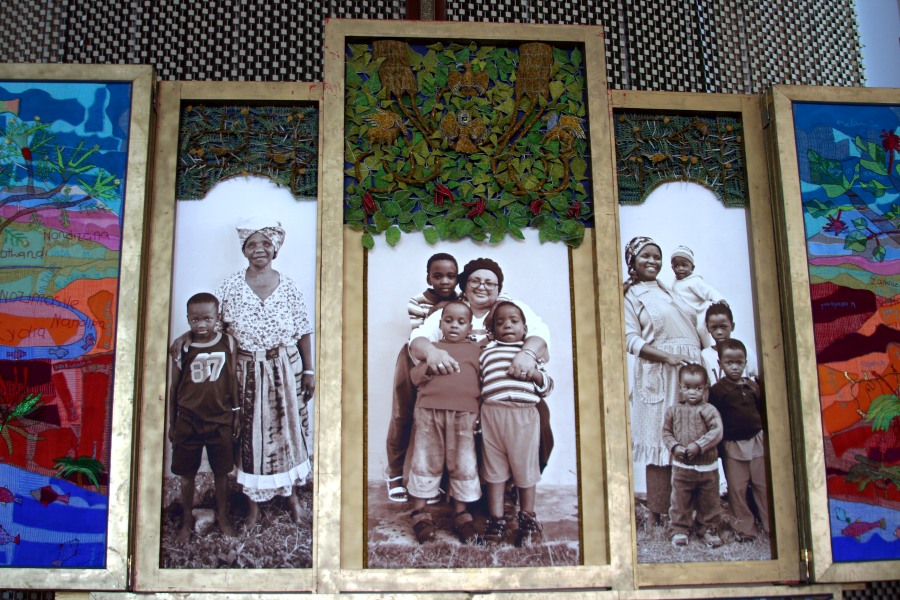
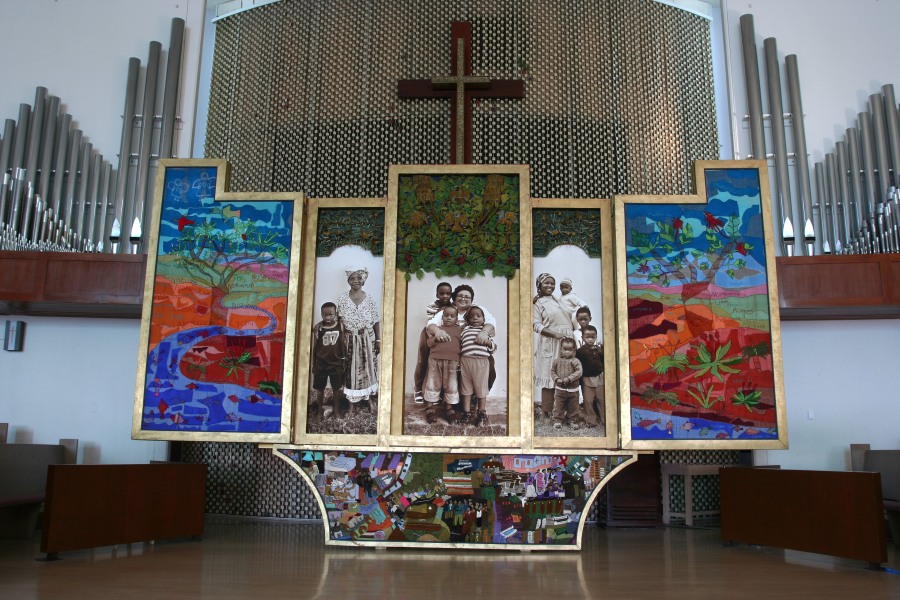
The artists created the complex artwork from several hinged panels. When fully opened, the panels revealed three large printed portraits of local grandmothers with their grandchildren, many of whom had been orphaned. The grandmothers were not living with HIV but were pictured as nurturing cornerstones in the response to HIV/AIDS.
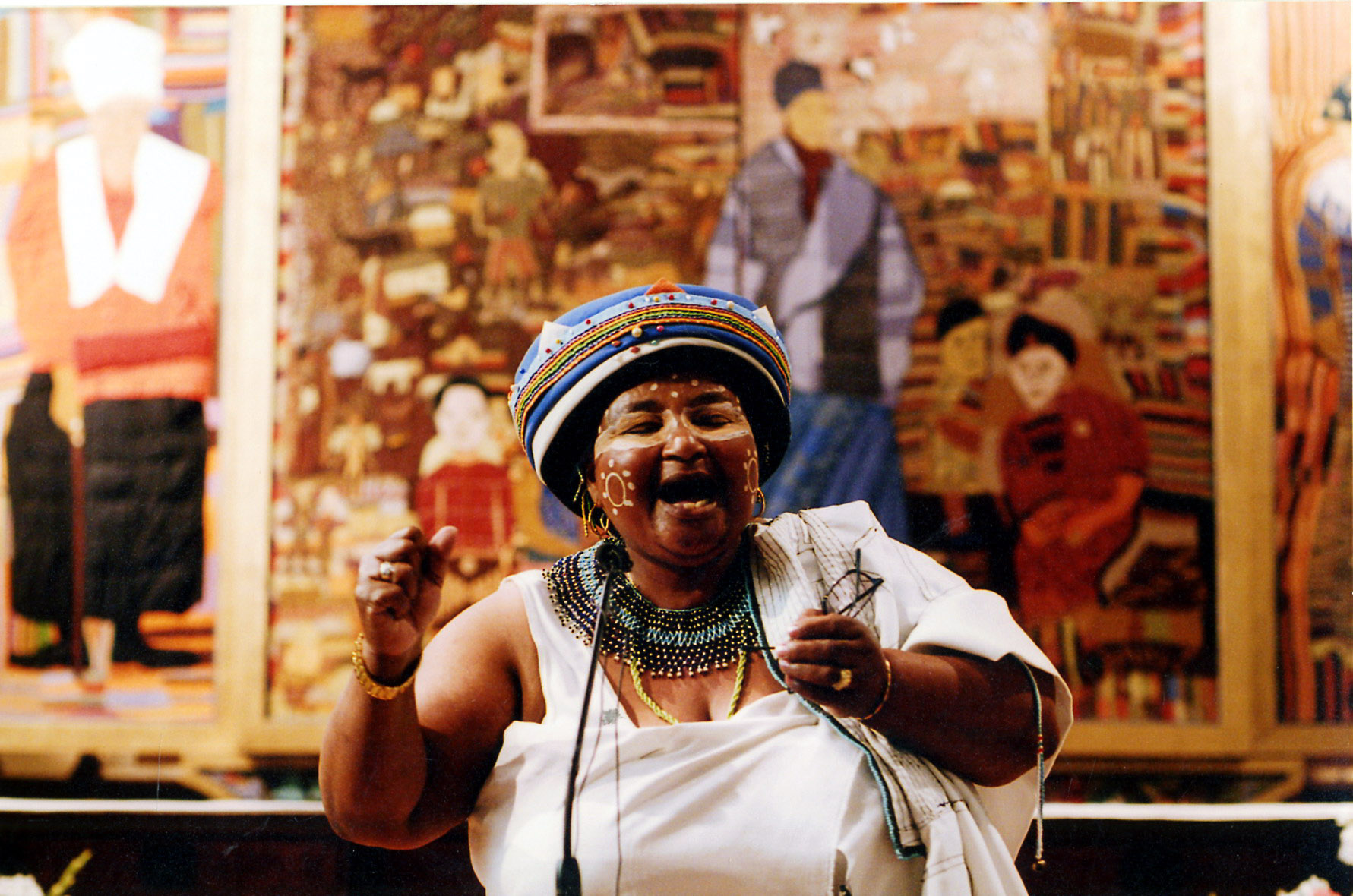
The town’s sole community health educator, Eunice Mangwane, played a key role in the project, providing information and support as the community produced a series of major artworks. She was portrayed in the center of the altarpiece with her grandchildren; her daughter was living with HIV.
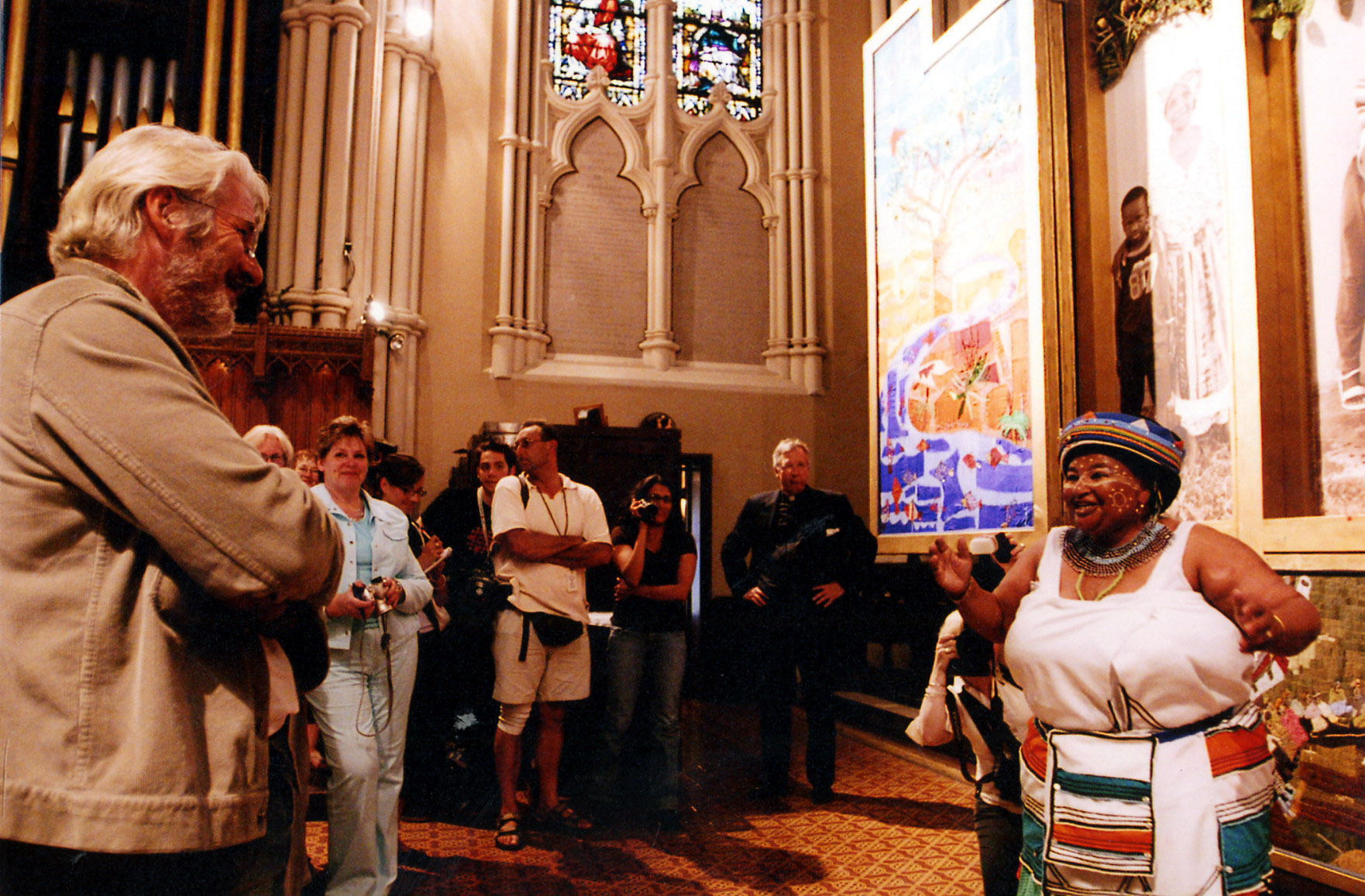
MAKE ART/STOP AIDS brought the altarpiece to the International AIDS Conference in Toronto in 2006 and then to Chicago and UCLA, where it received its campus debut on World AIDS Day. The work subsequently appeared at three Los Angeles-area churches—Holman United Methodist, Hollywood United Methodist, and Santa Monica United Methodist—before continuing its tour across the United States and United Kingdom. Other exhibition sites included Grace Cathedral in San Francisco, St. James Cathedral in Seattle, Washington National Cathedral in Washington, D.C., and Southwark Cathedral in London. Sponsorship by St. James Cathedral in Chicago helped make the tour possible. Because the altarpiece was too tall to fit within the Fowler Museum galleries, it was displayed in the adjacent Glorya Kaufman Hall on December 1, 2006. After touring local churches, it returned to Kaufman Hall and remained on view from January 10–March 11, 2007.
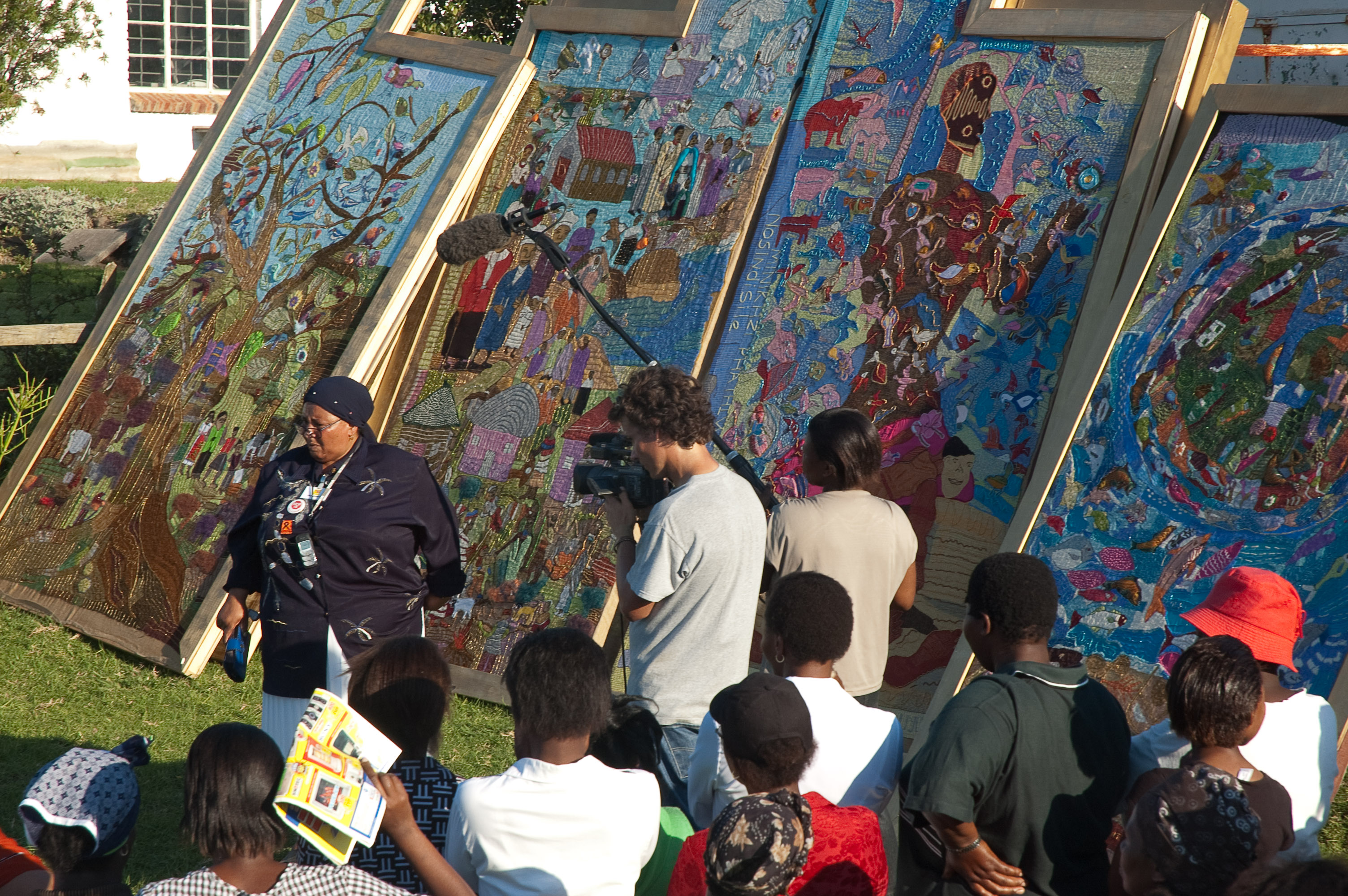
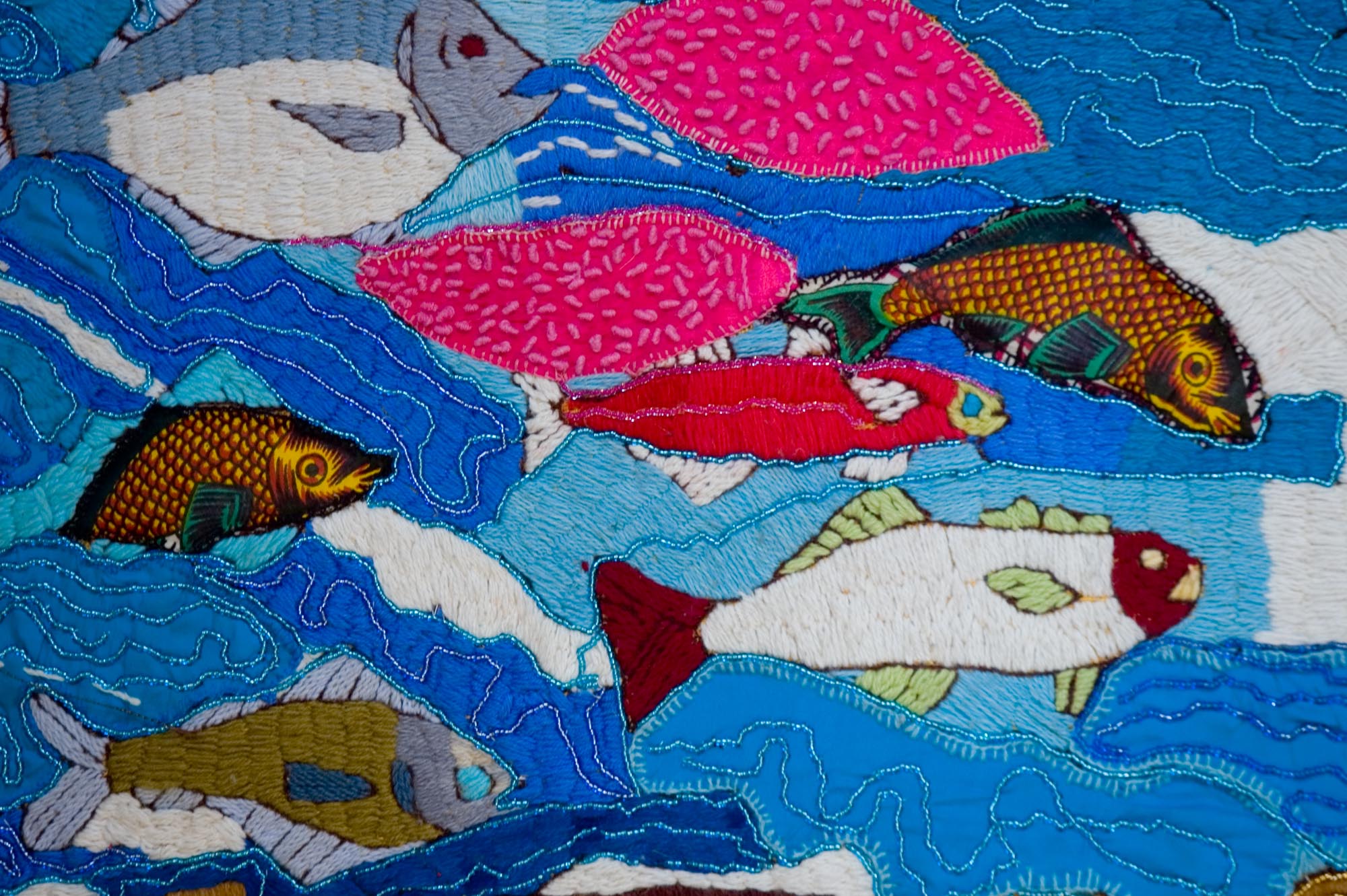
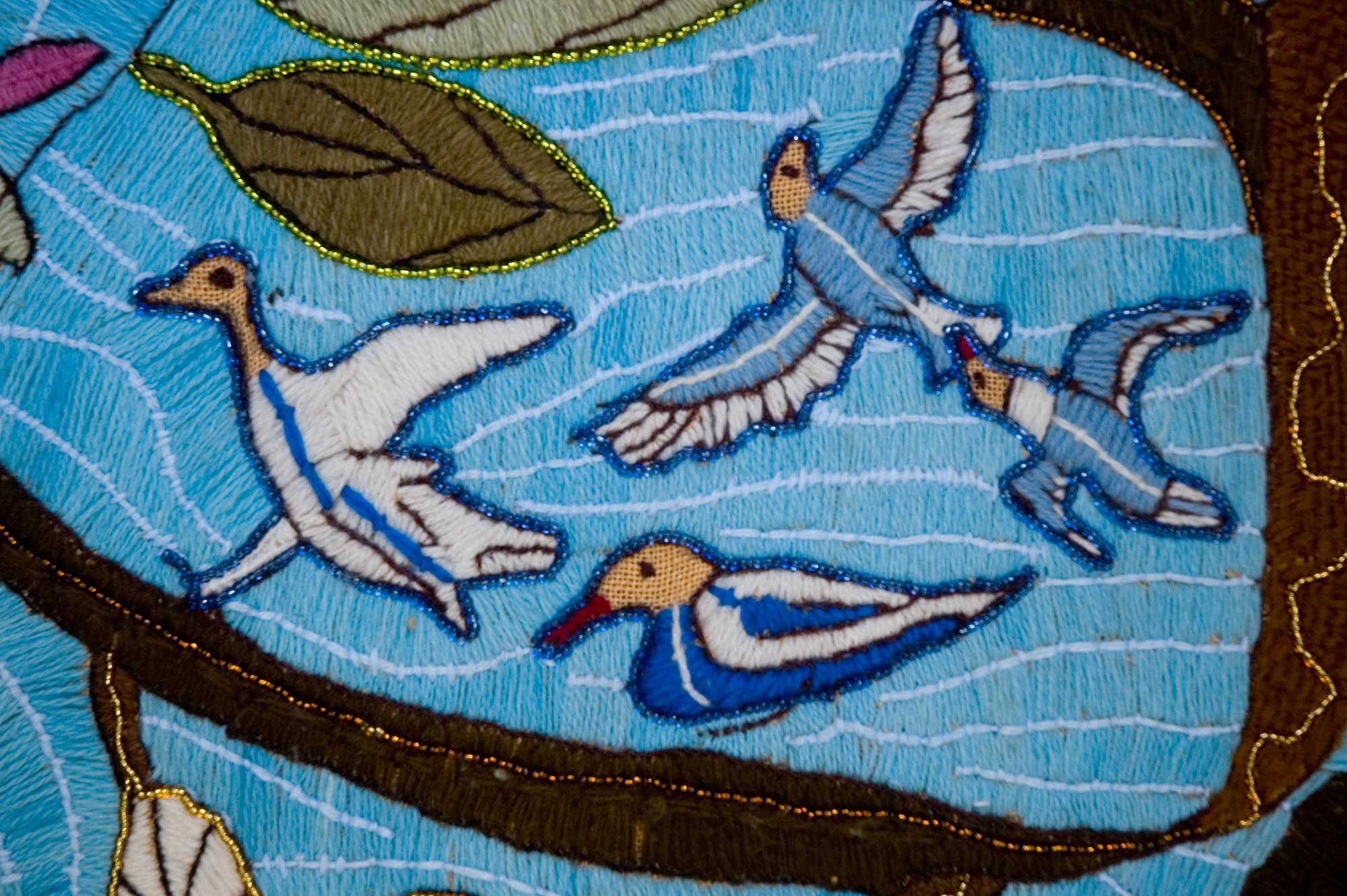
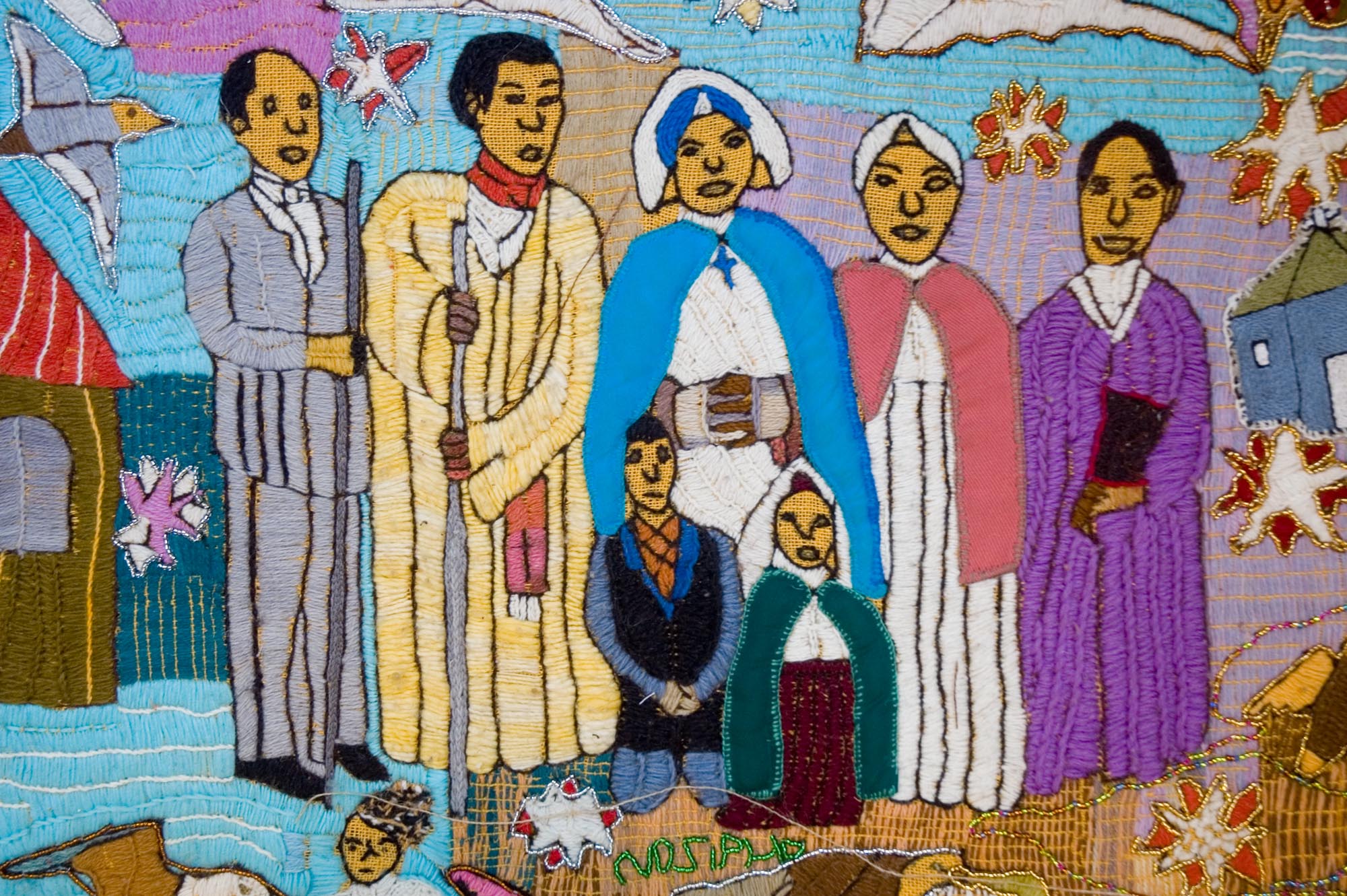
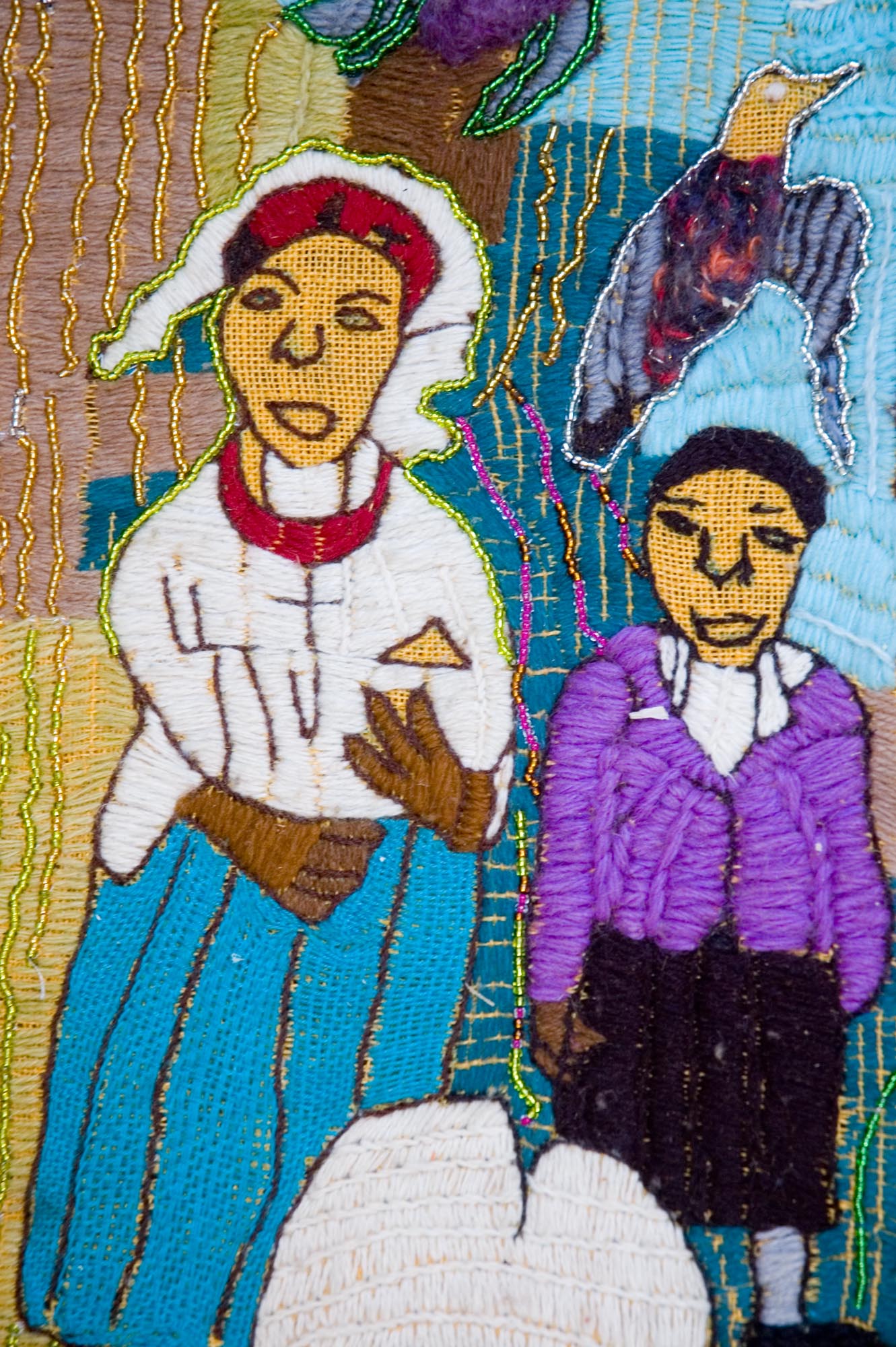
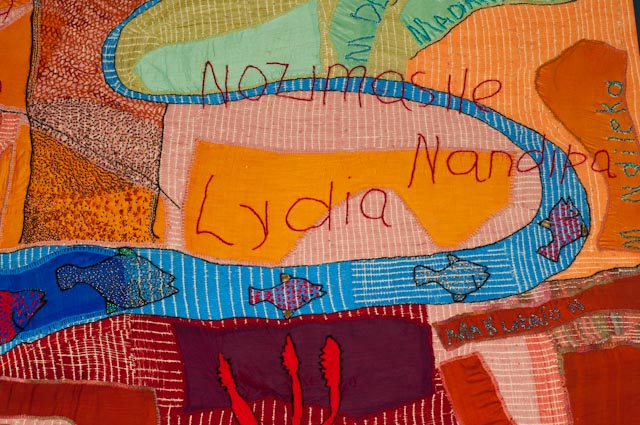
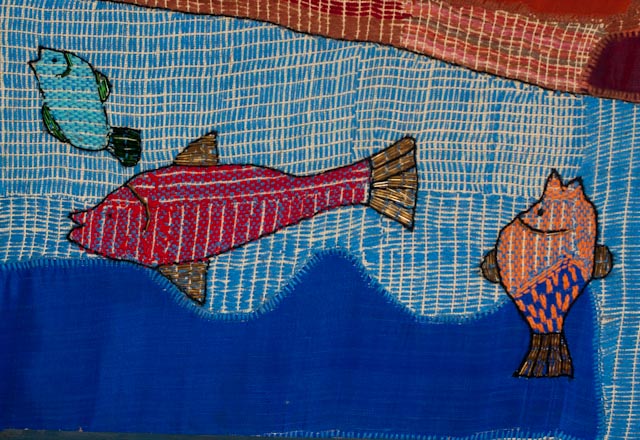
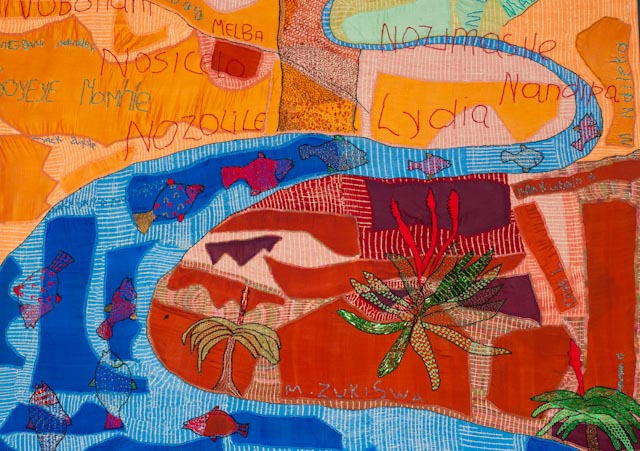
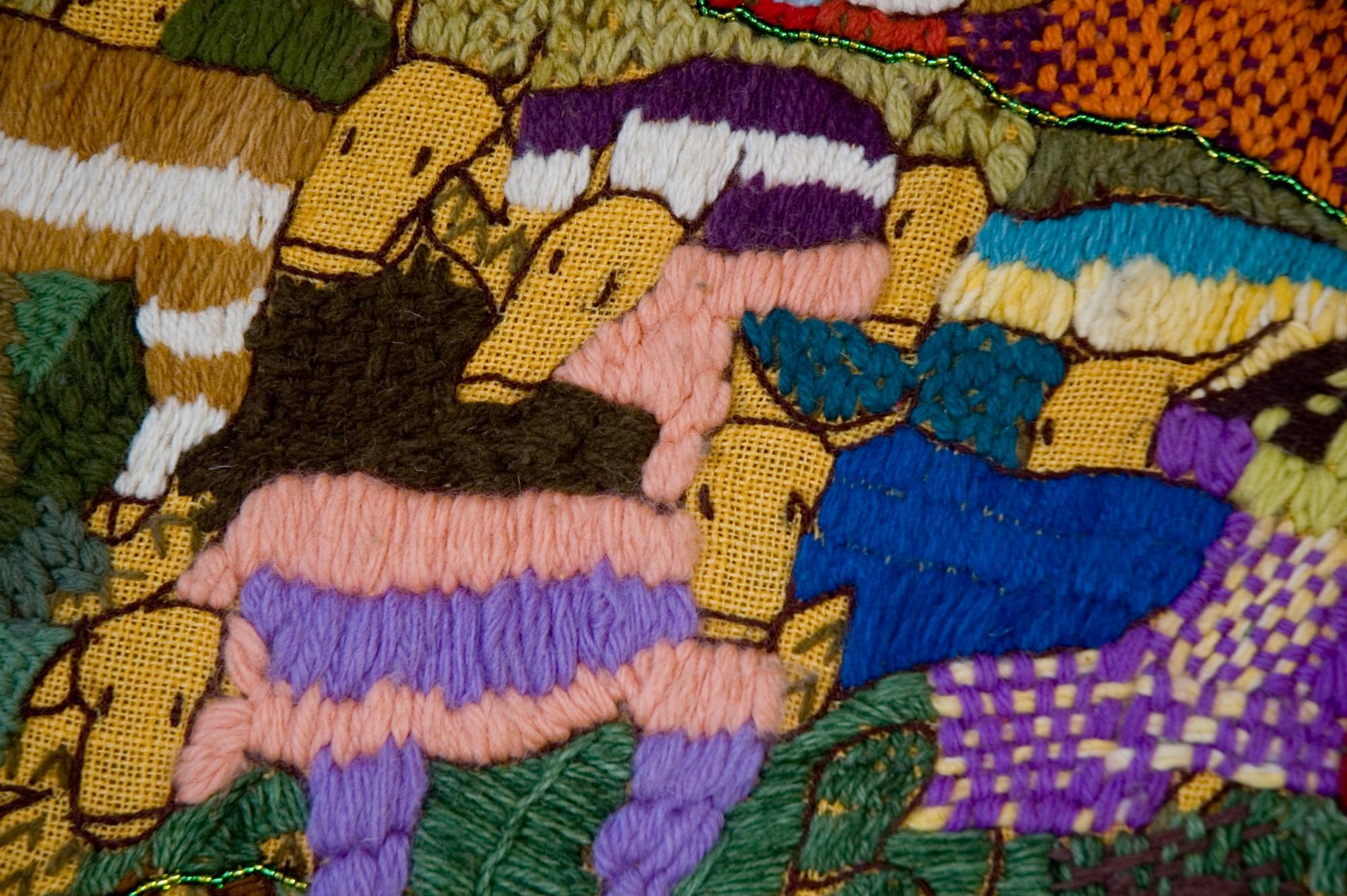
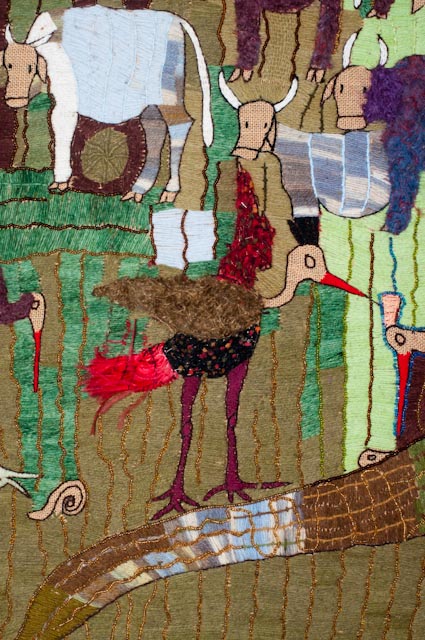
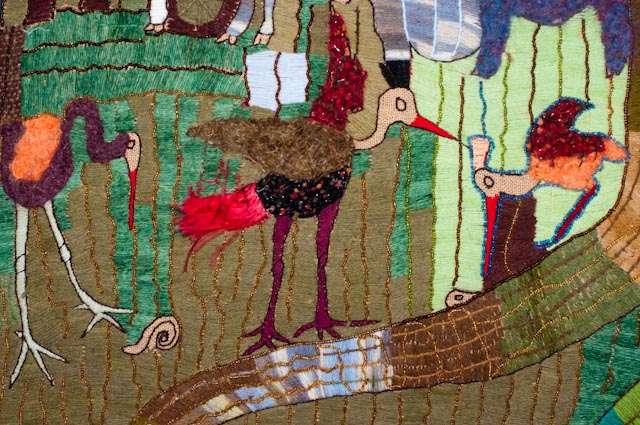
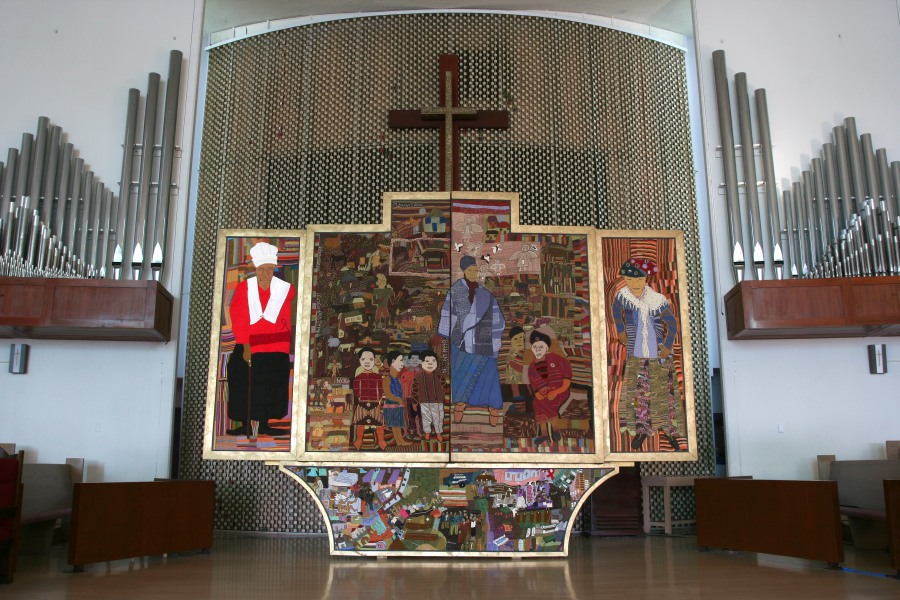
The altarpiece was composed of hinged panels that used imagery associated with the Xhosa people of the Eastern Cape to depict life in the region before the HIV/AIDS epidemic and after its onset.
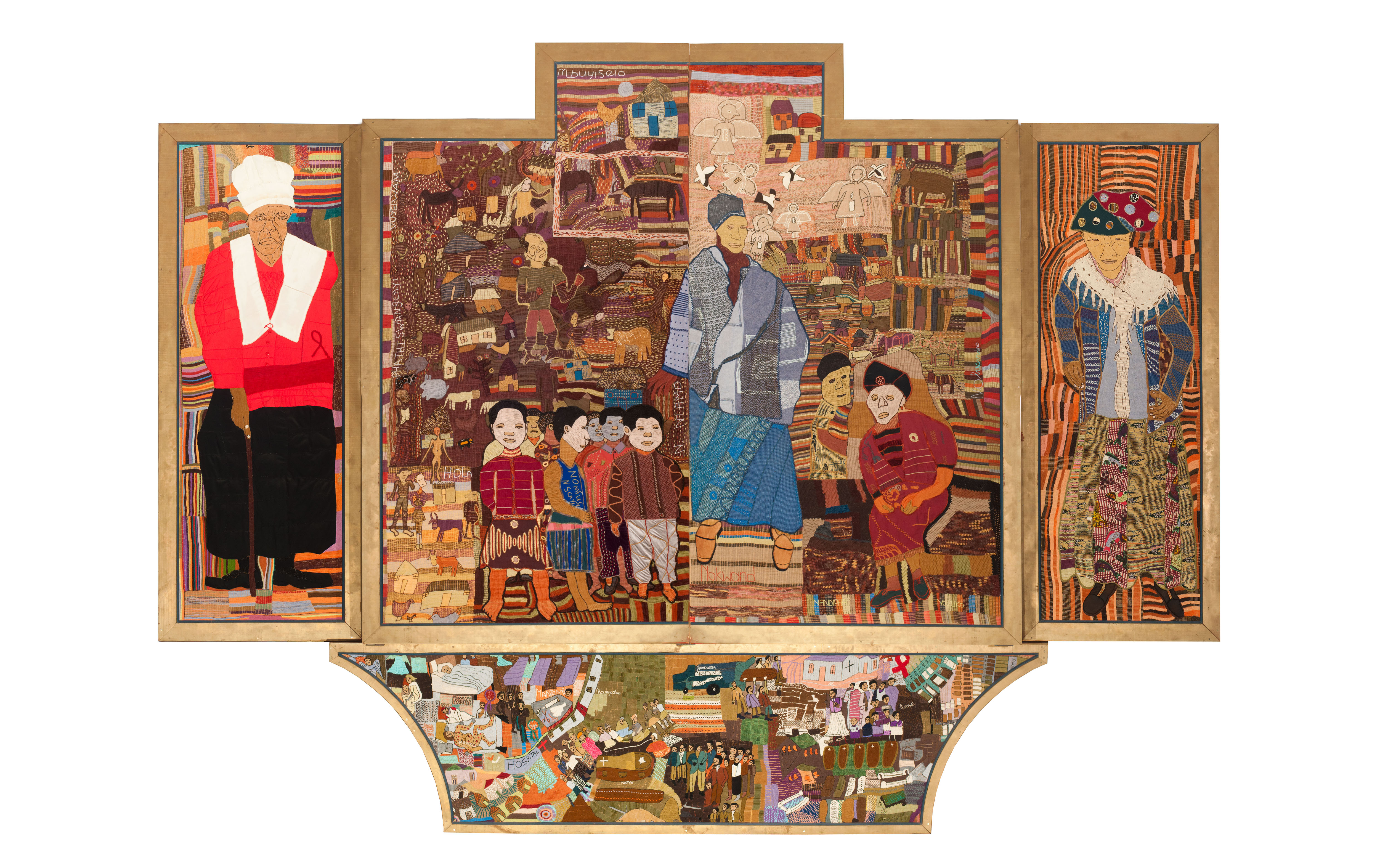
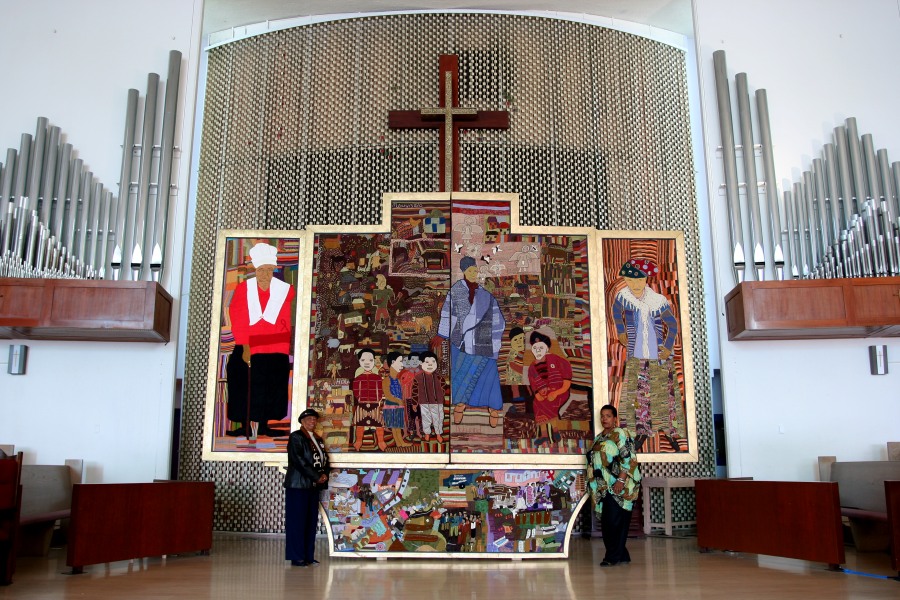
The Panels Closed: Crucifixion
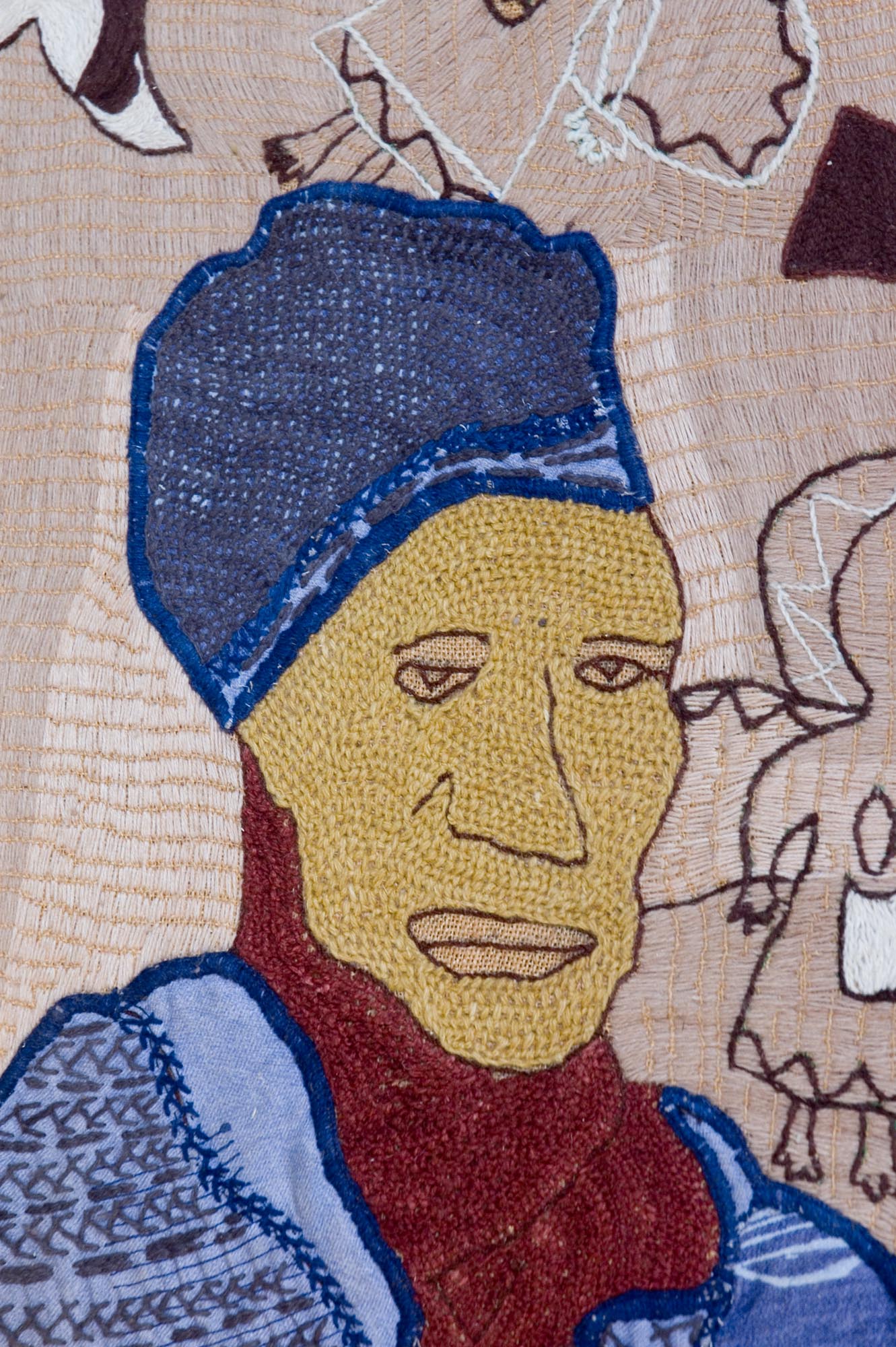
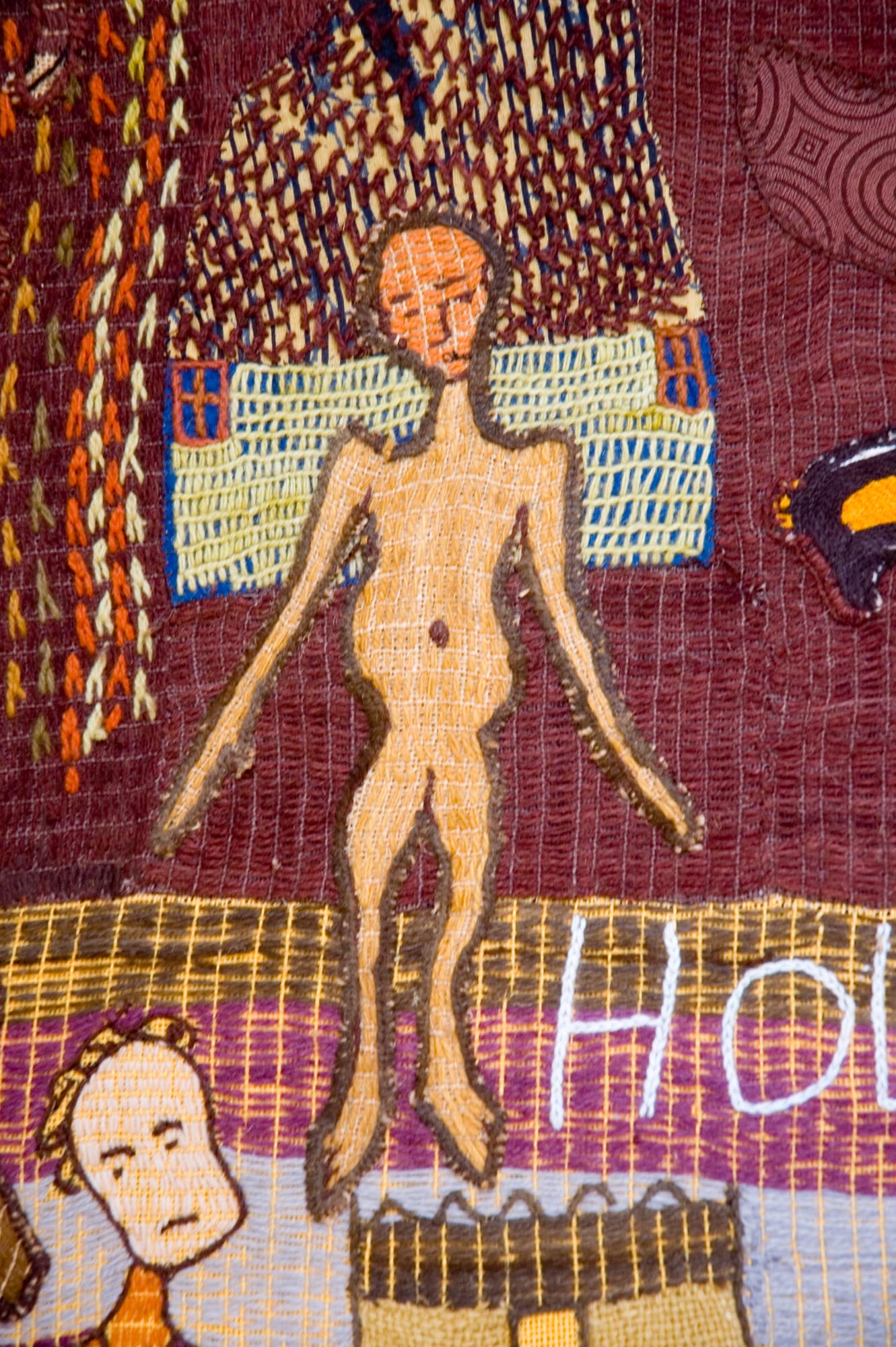
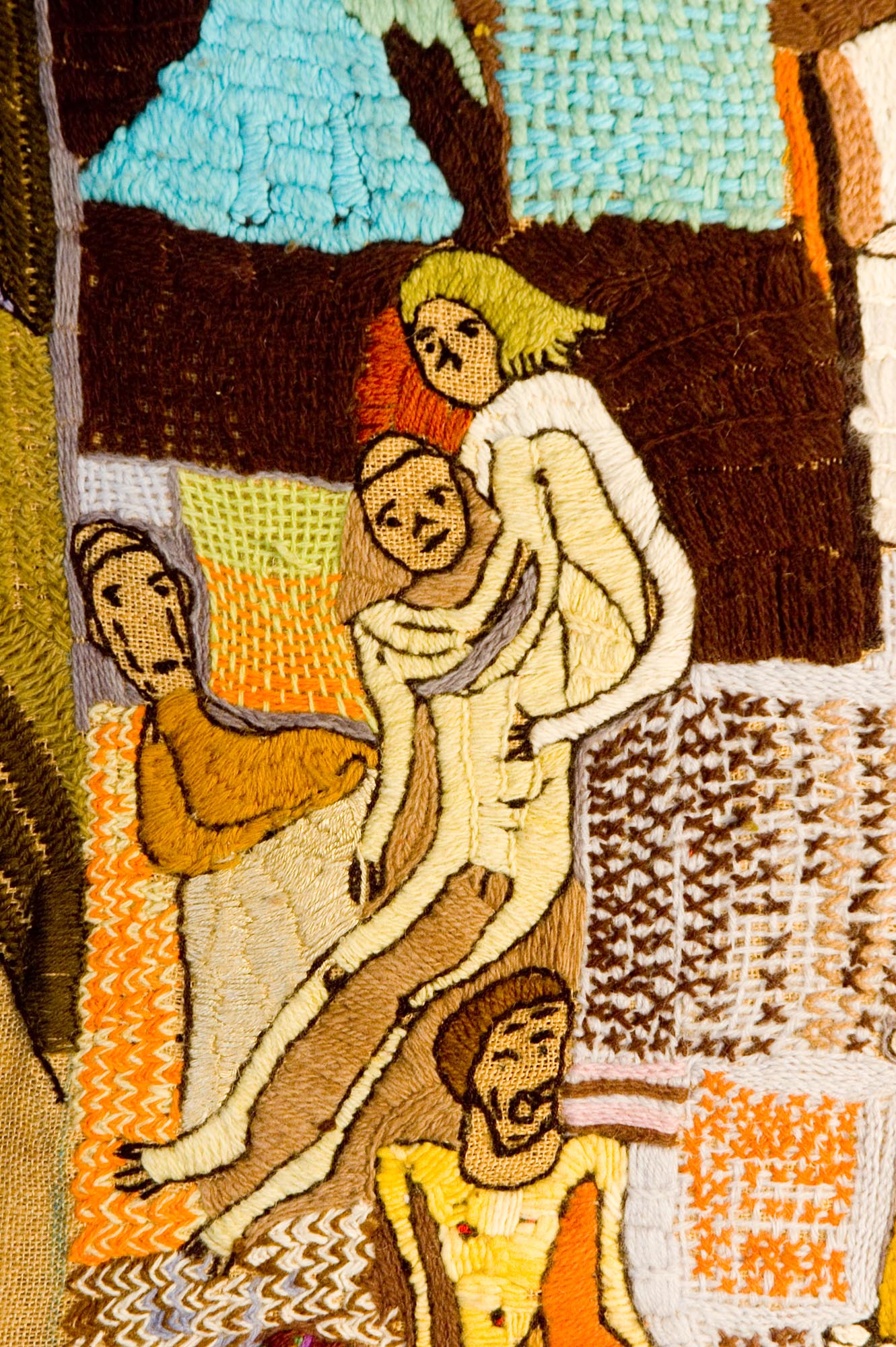
The Crucifixion was depicted from the perspective of people without material resources who were trying to find meaning in their lives. The somber panels showed a widow in traditional Xhosa clothing mourning her husband, who had died of AIDS-related causes. To her right were children orphaned by the disease; to her left was an older woman sitting on a bed.
On either side of the central scene appeared two Hamburg saints—respected older women chosen because of their love for the community: Lagena Mapuma, dressed in a red Methodist church uniform, and Susan Paliso, wearing a white shawl.
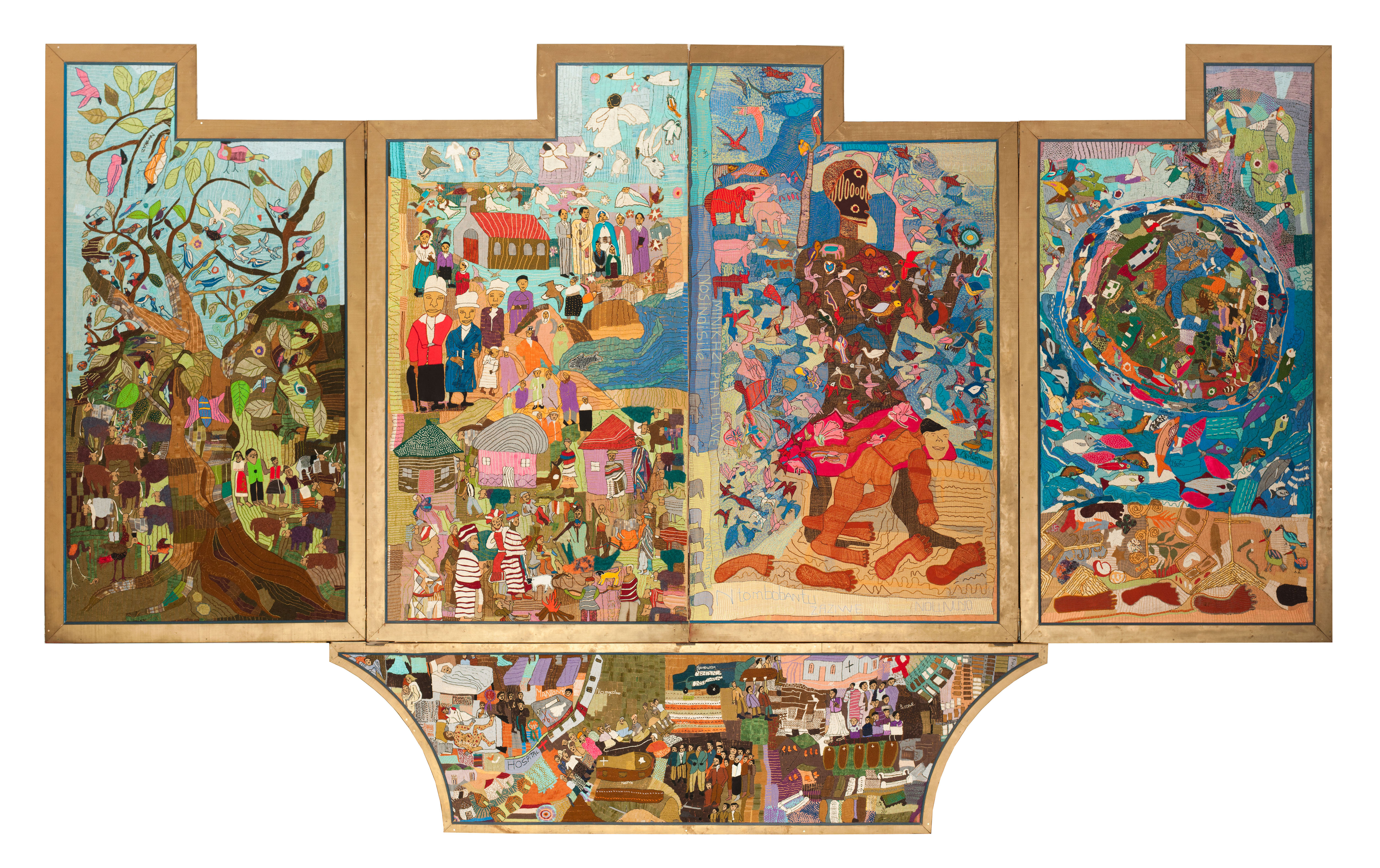
Panels Open: Resurrection
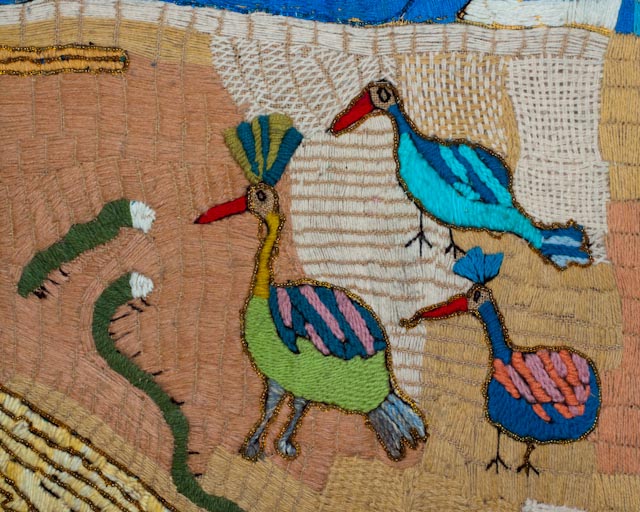
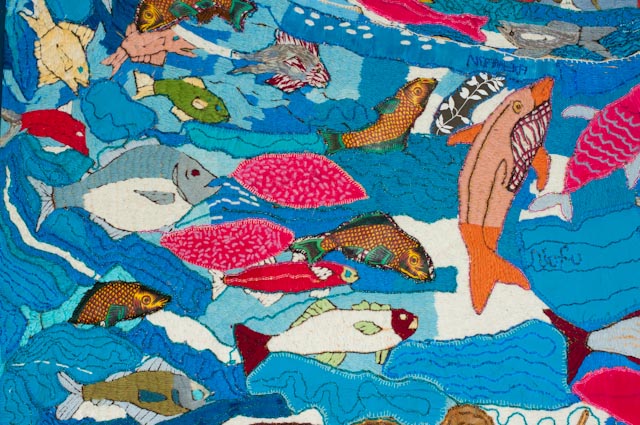
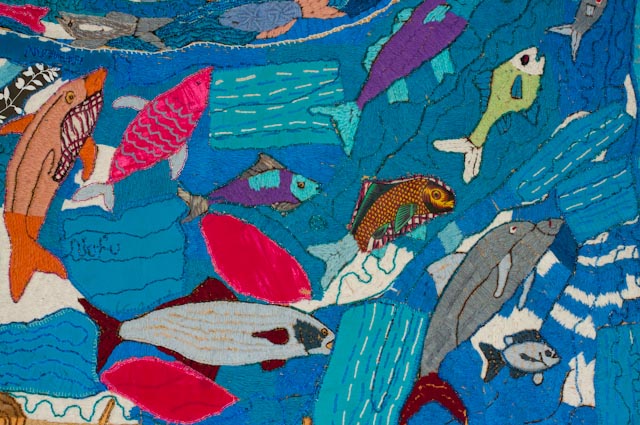
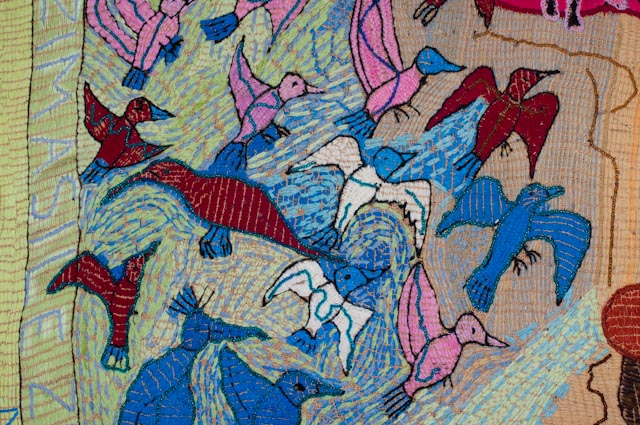
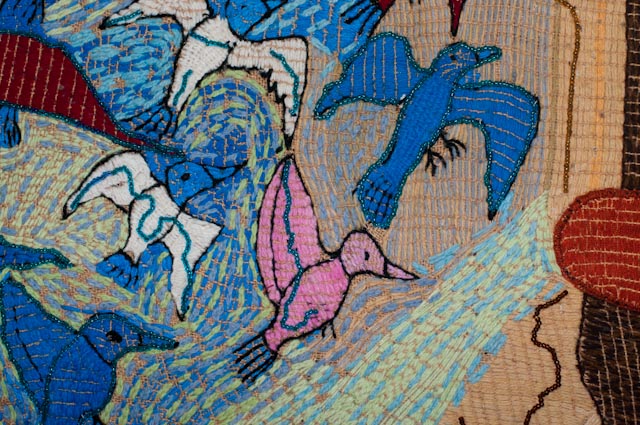
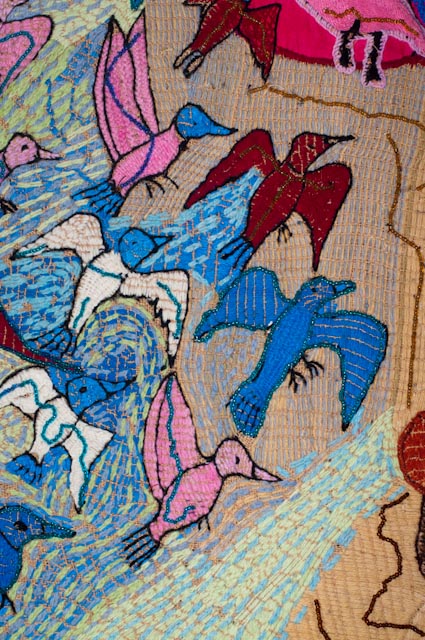
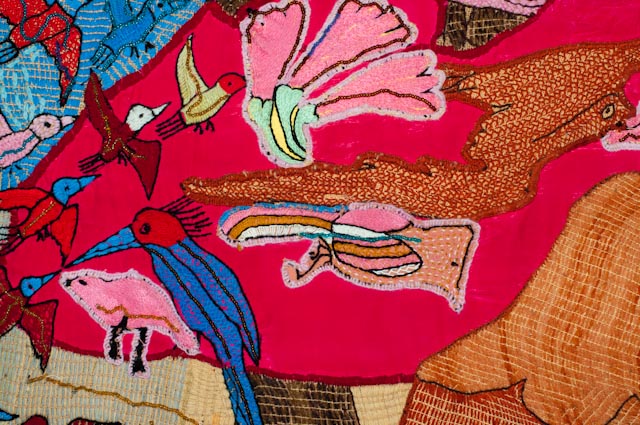
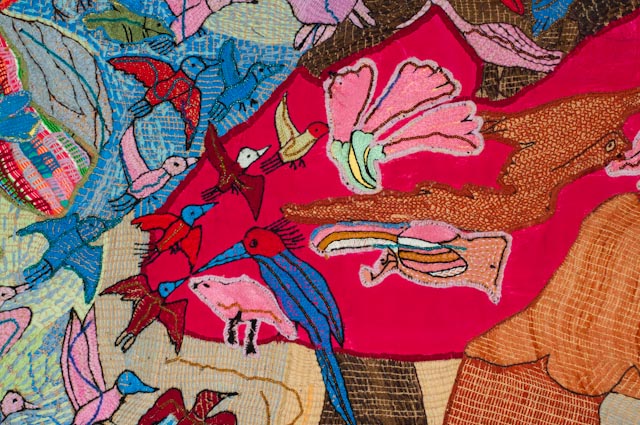
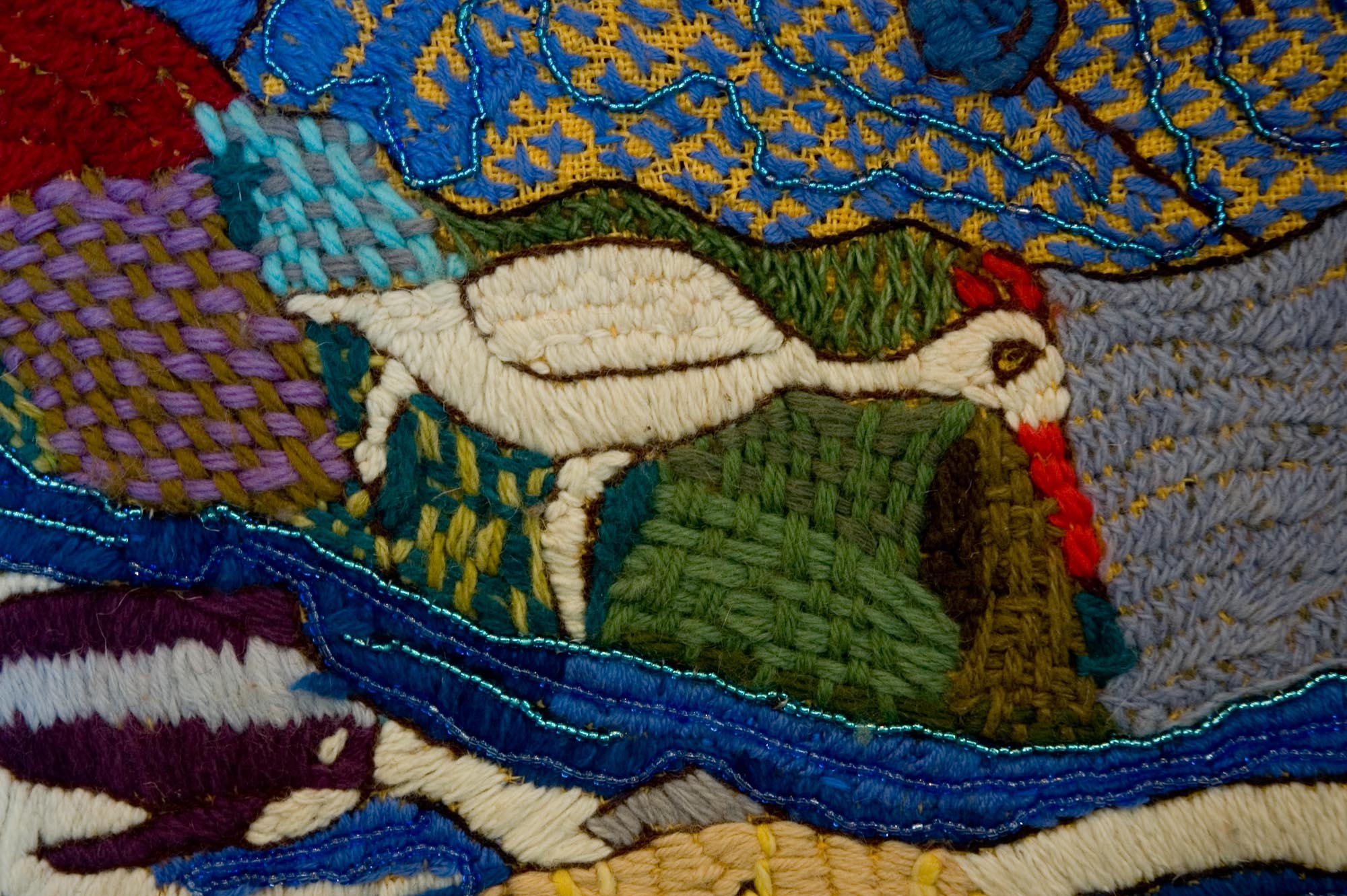
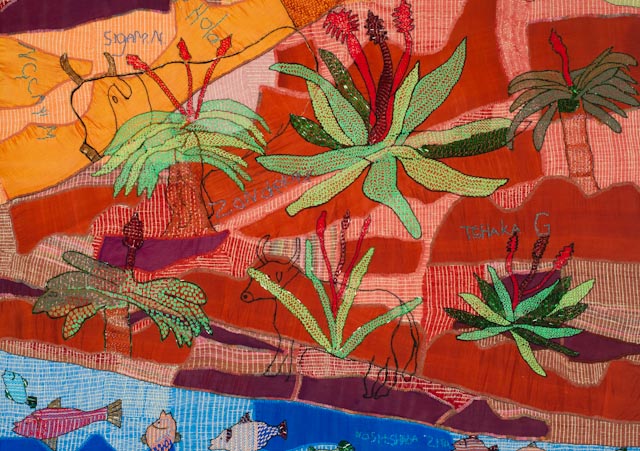
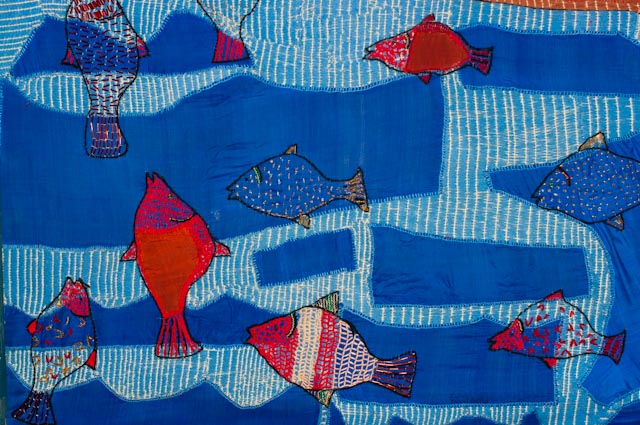
The doors opened to a vision of hope, redemption, and restoration. Images of abundant life—including trees, birds, spiritual worship, and harmonious traditional life—illustrated these ideals. Also included was a local prophet who wrote prayers in the sand.
Panels Open: Reality
The final set of doors opened to reveal life-size black-and-white photographs of grandmothers with their grandchildren, taken by Tanya Jordaan. From left to right, they showed Susan Paliso, 83, standing with Lihle, 8; Eunice Mangwane, 58, seated with her grandchildren Akona, Lithemba, and Thabo; and Caroline Nyongo, 47, holding her youngest grandchild, eight-month-old Nomaxabiso, and surrounded by the rest of her daughter’s children.
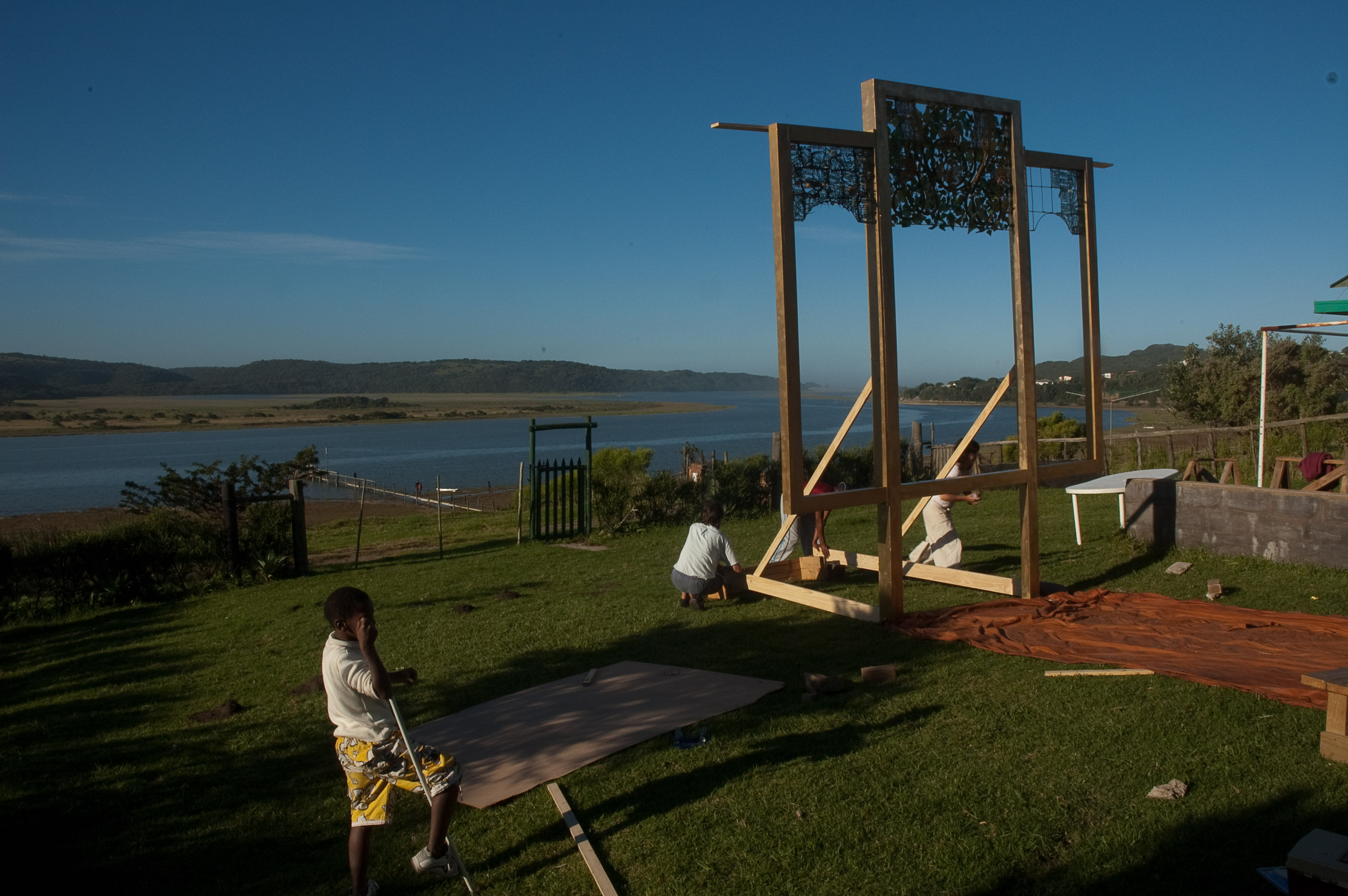
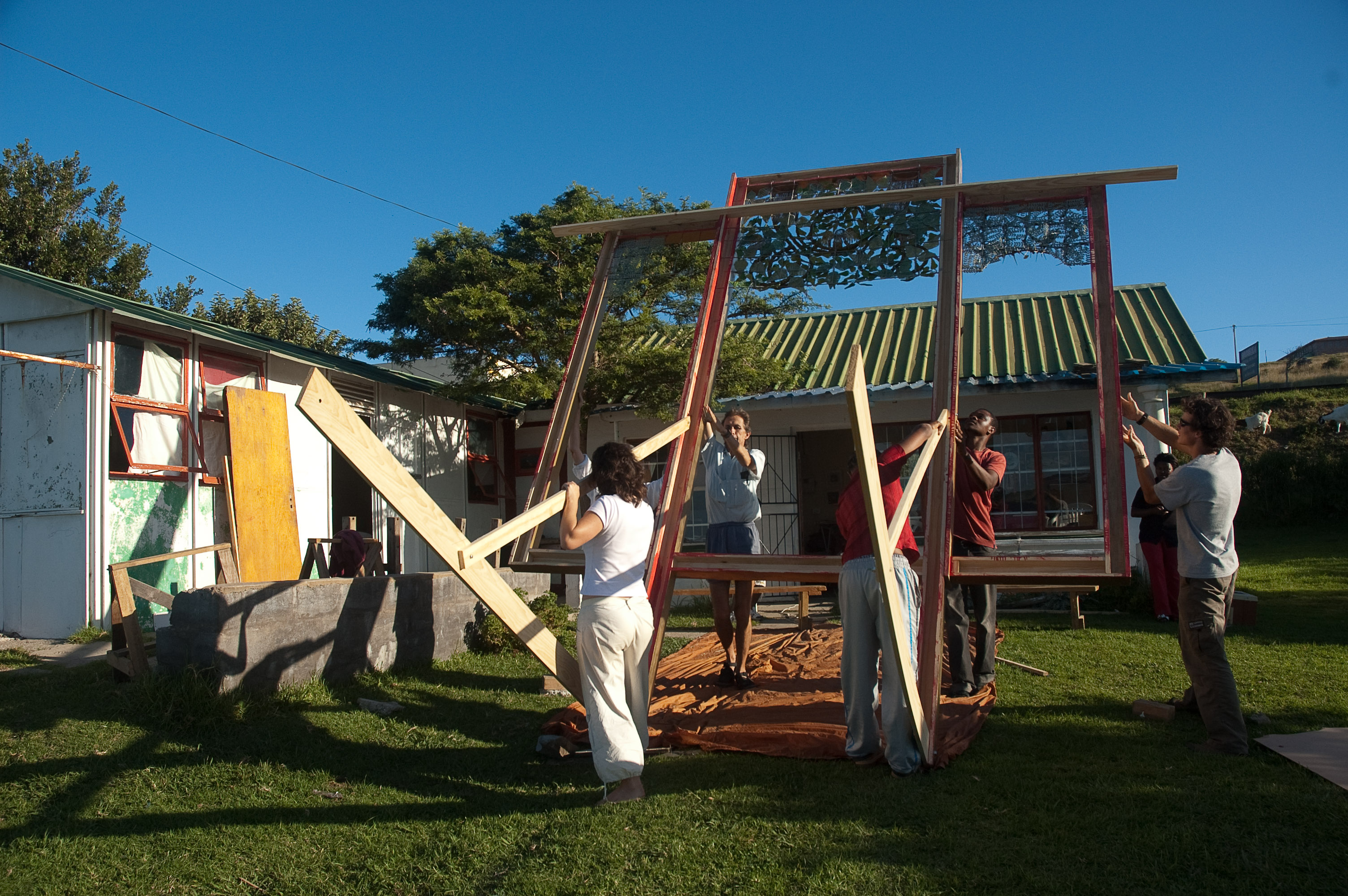
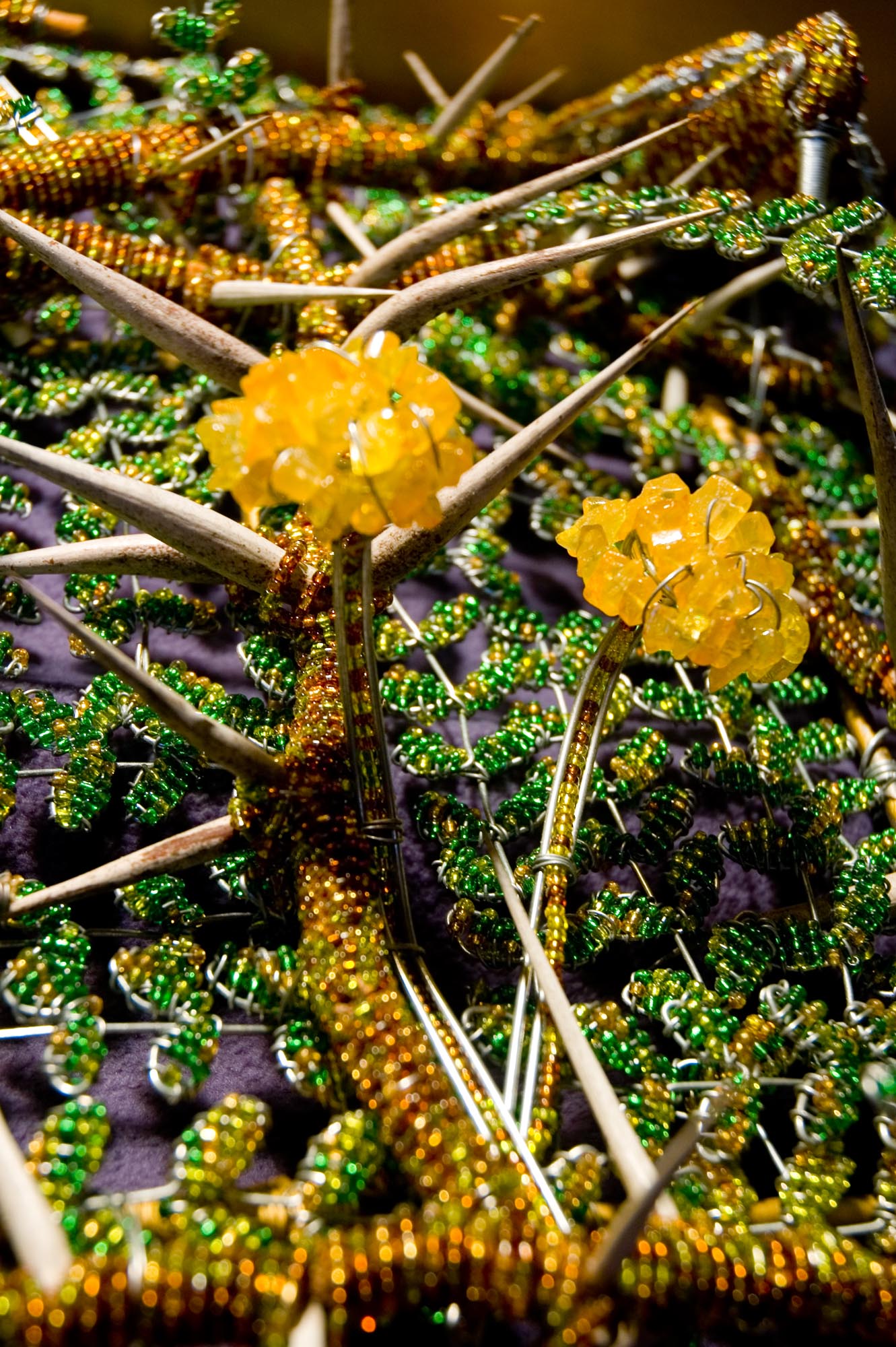
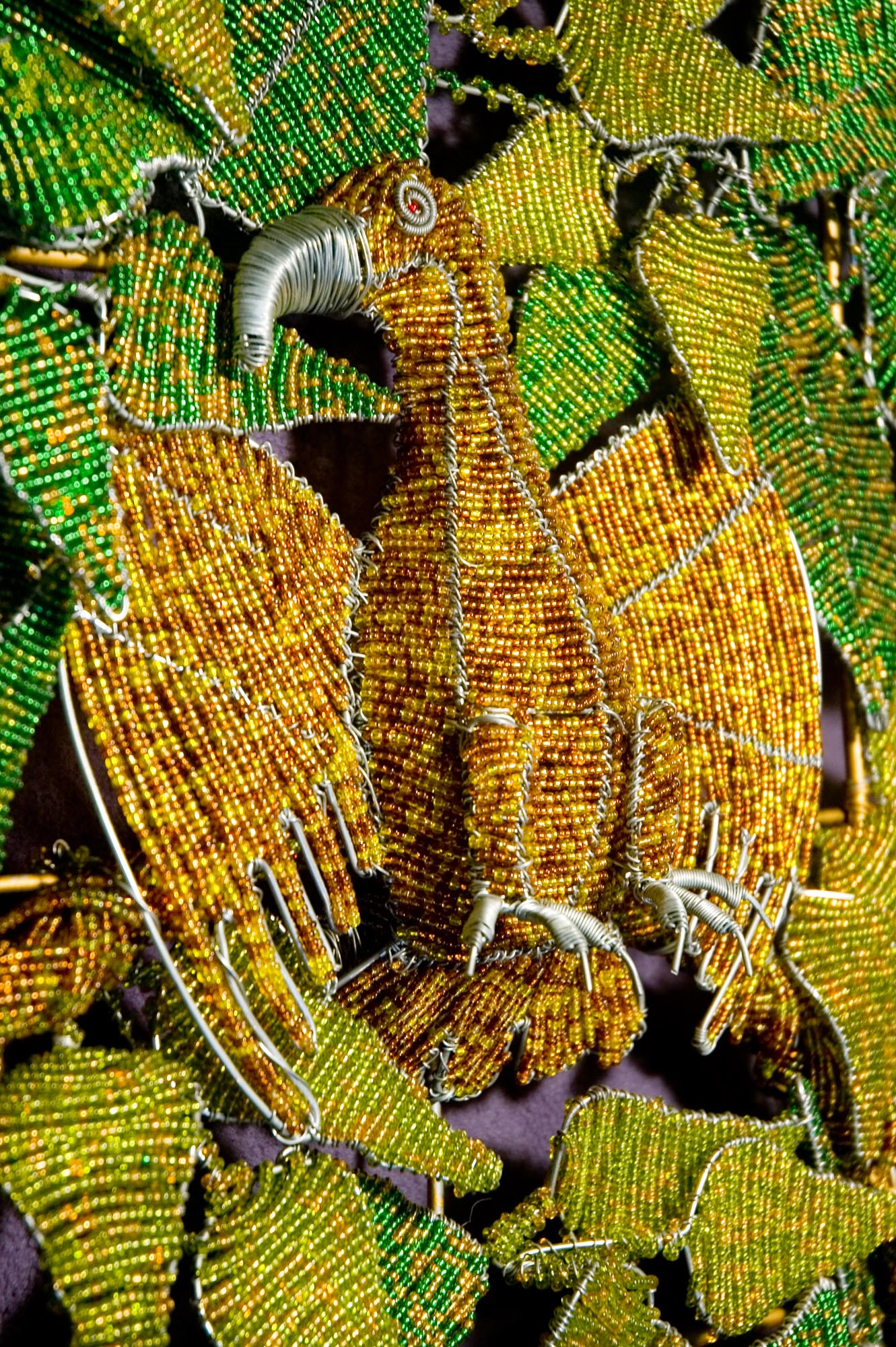
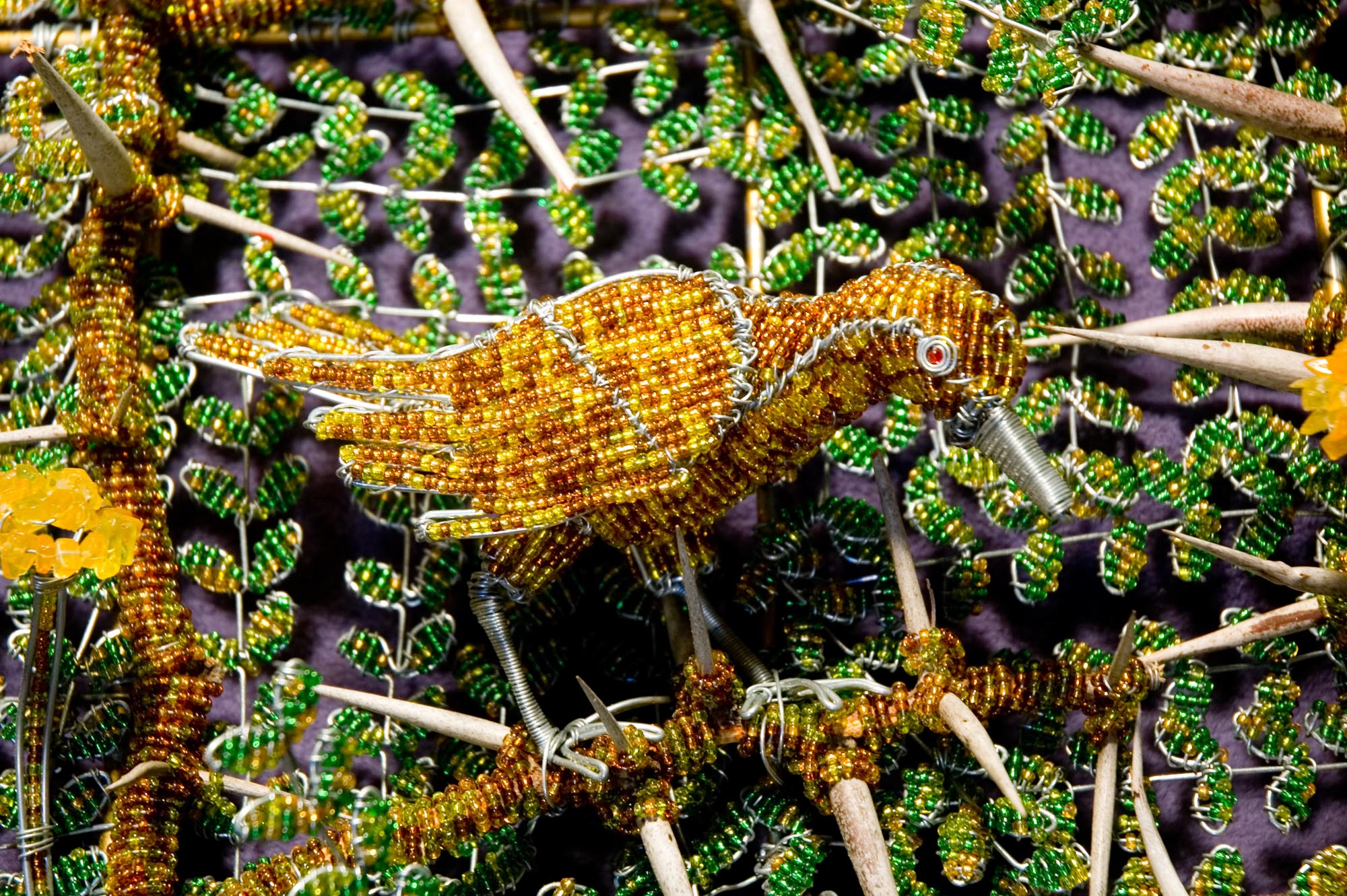
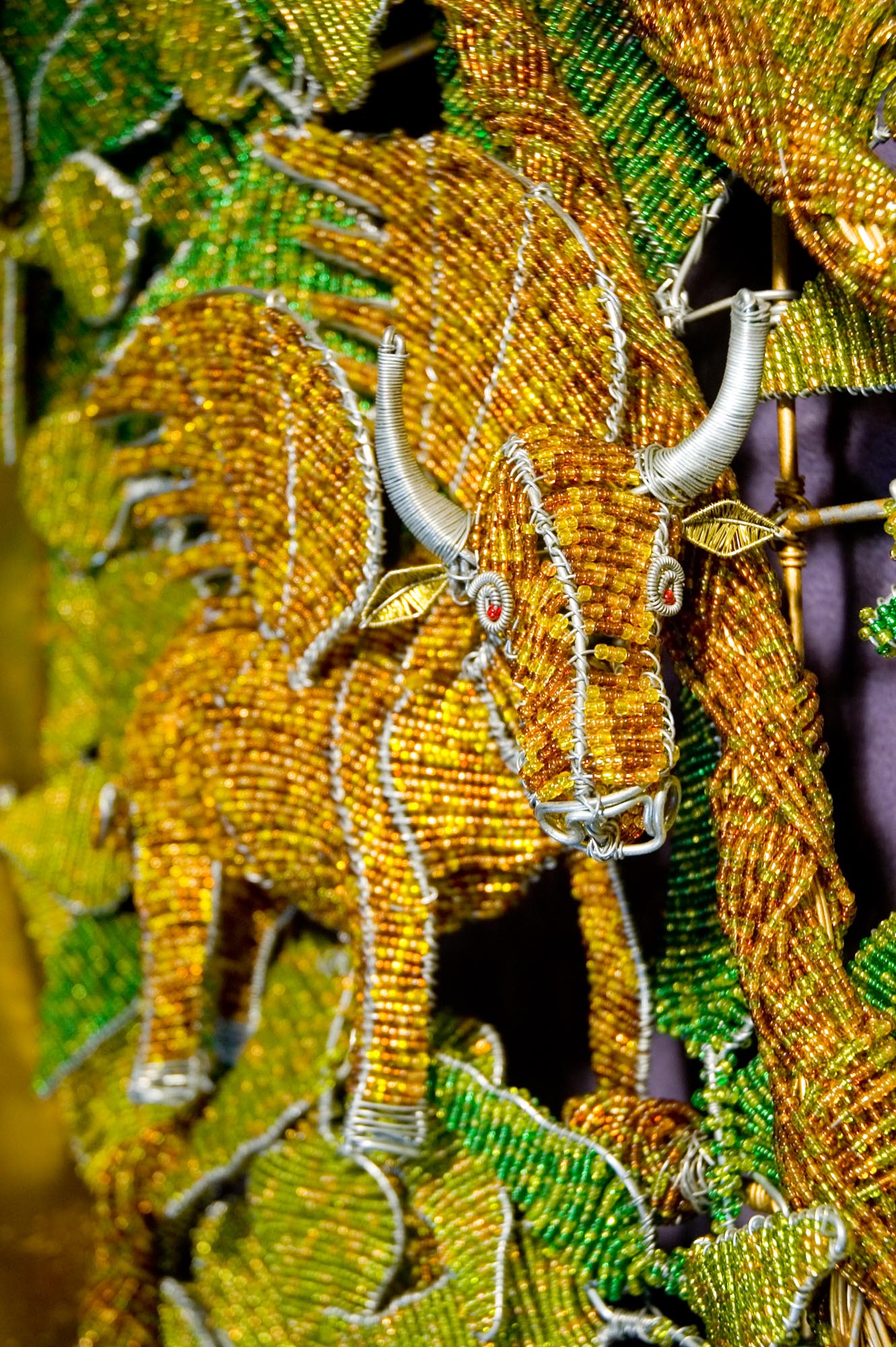
Above the photographs, three-dimensional wire beadwork depicted coral and acacia trees and the four apostles from the Isenheim Altarpiece. An expert beadworker known as “Eddie” from Streetwires in Cape Town taught the women and men involved in the project this form of beadwork.
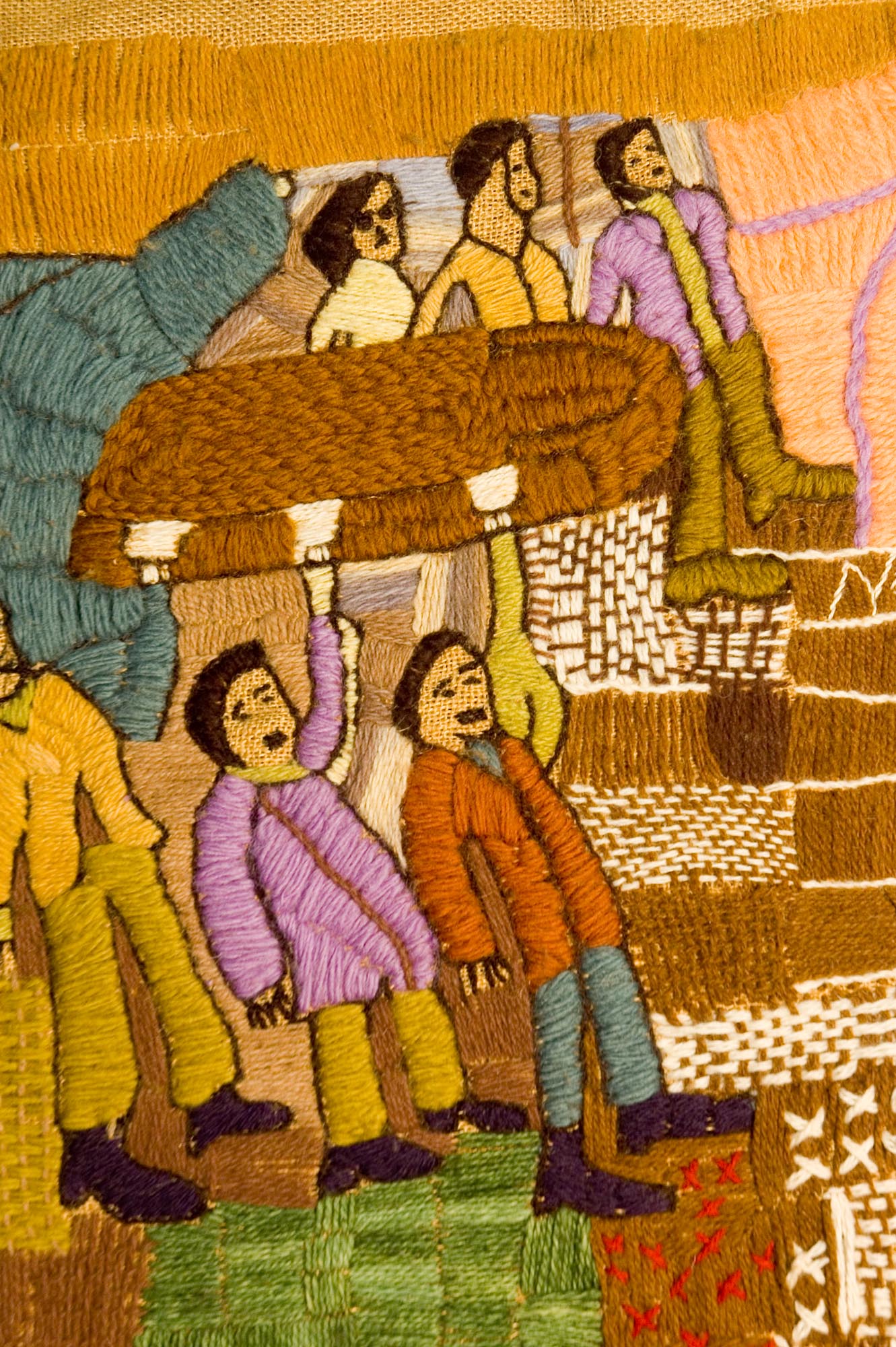
The predella depicted the funeral of Susan Paliso’s son, who had died of AIDS-related causes. The funeral took place in Hamburg and was rendered with the details of a typical Eastern Cape funeral.