MAKE ART/STOP AIDS
MAKE ART/STOP AIDS—an internationally traveling exhibition co-curated by David Gere and Robert Sember—debuted at the Fowler Museum at UCLA and was on view February 23–June 15, 2008. It explored how artists around the world were responding to HIV/AIDS and how their work raised…
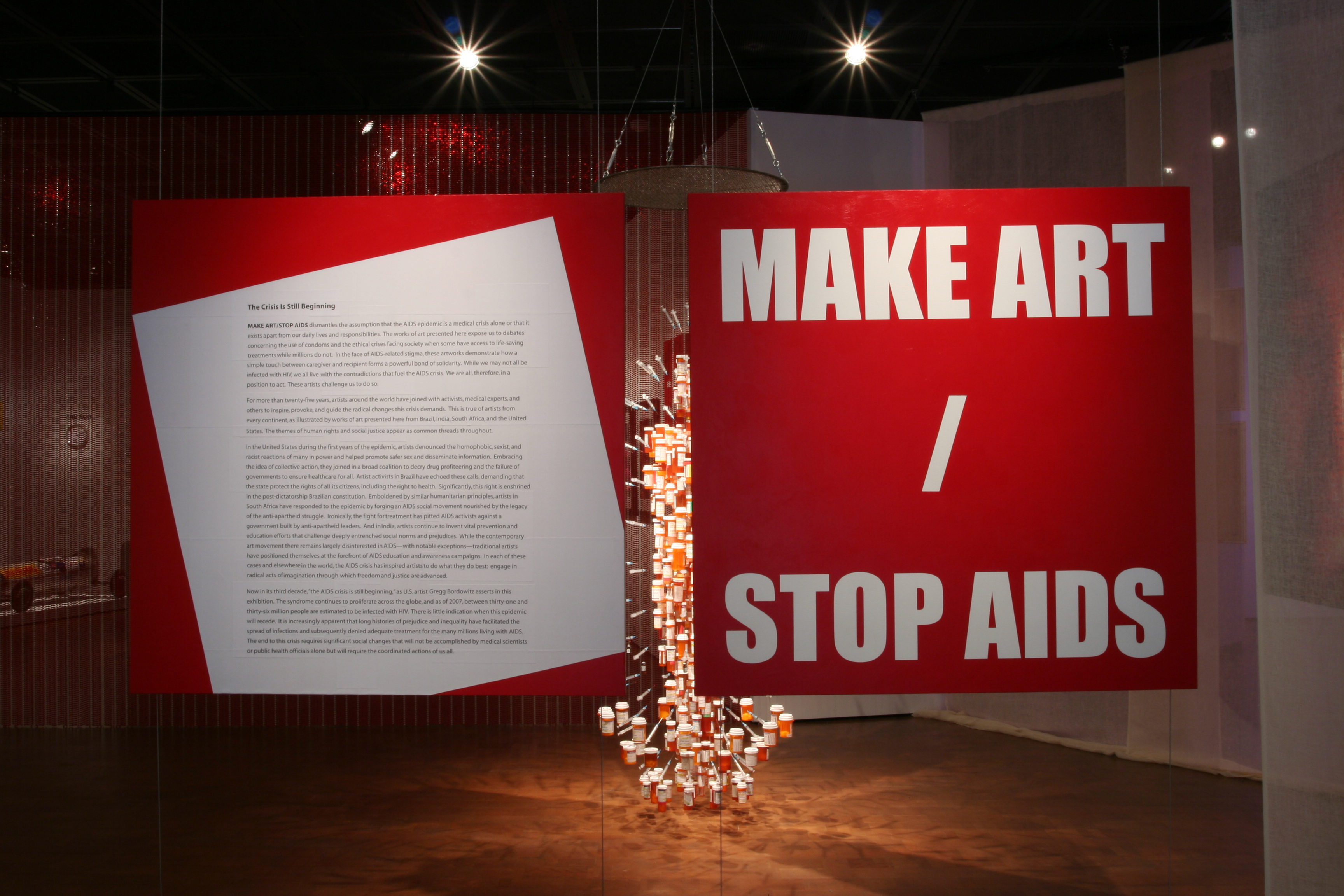
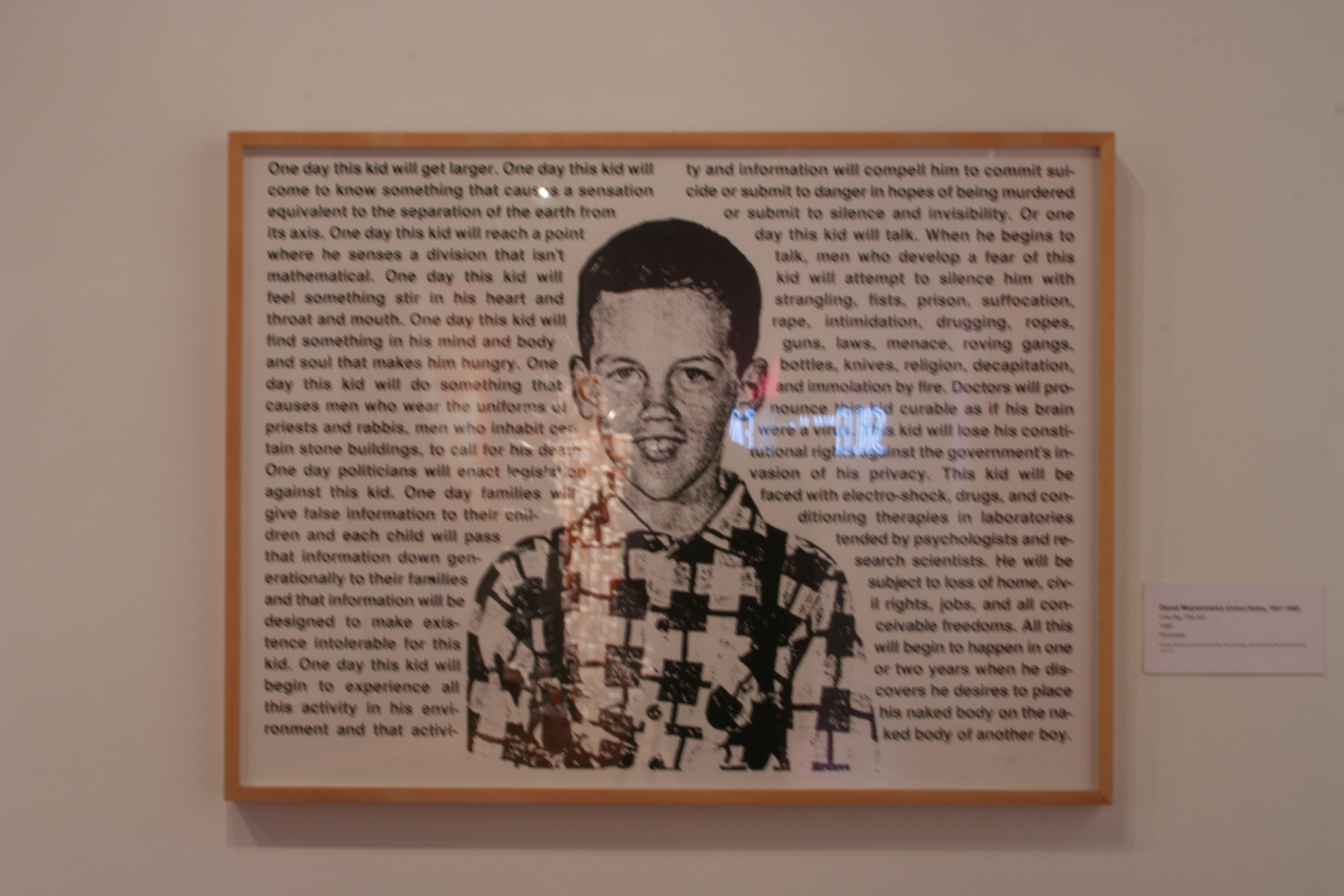
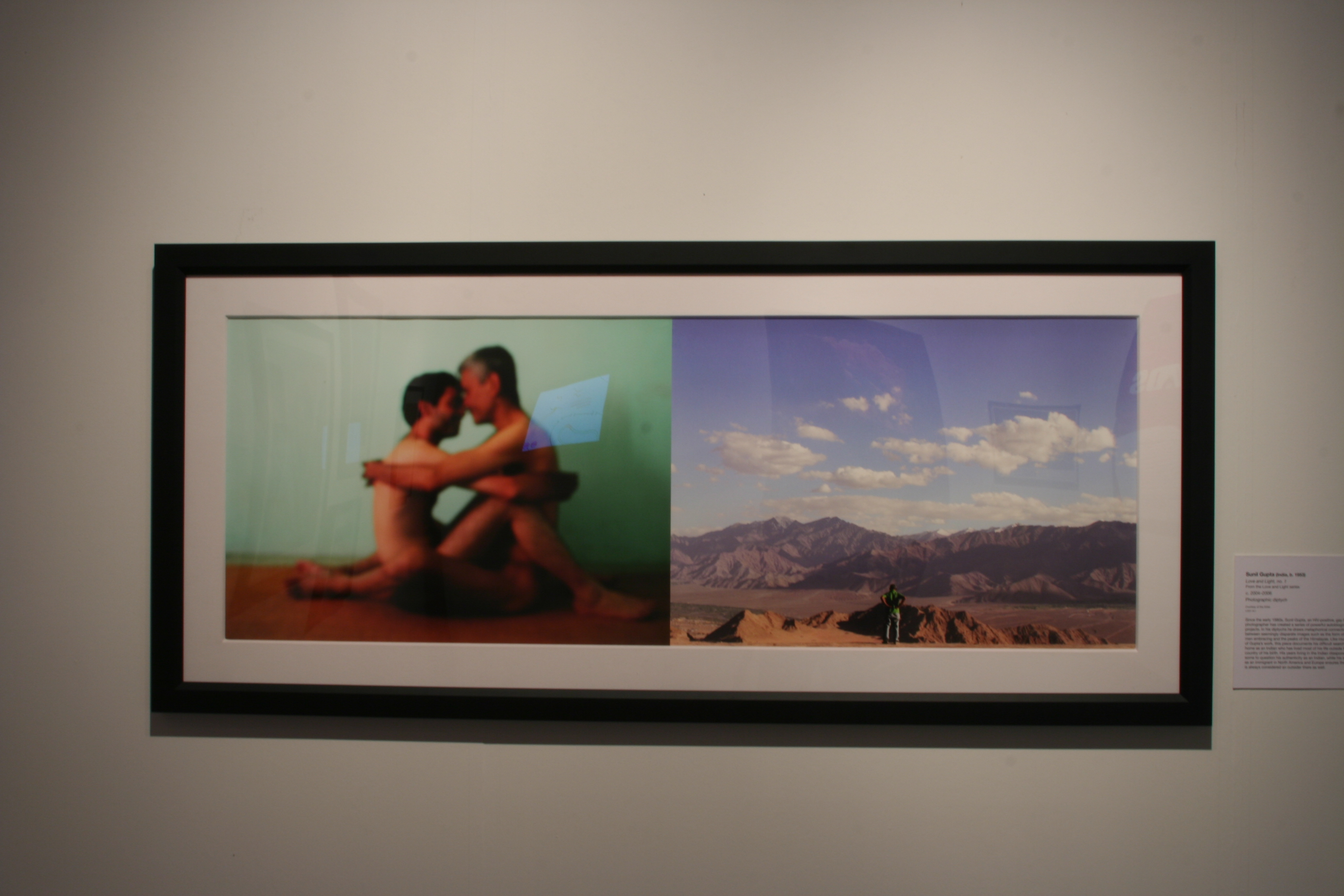
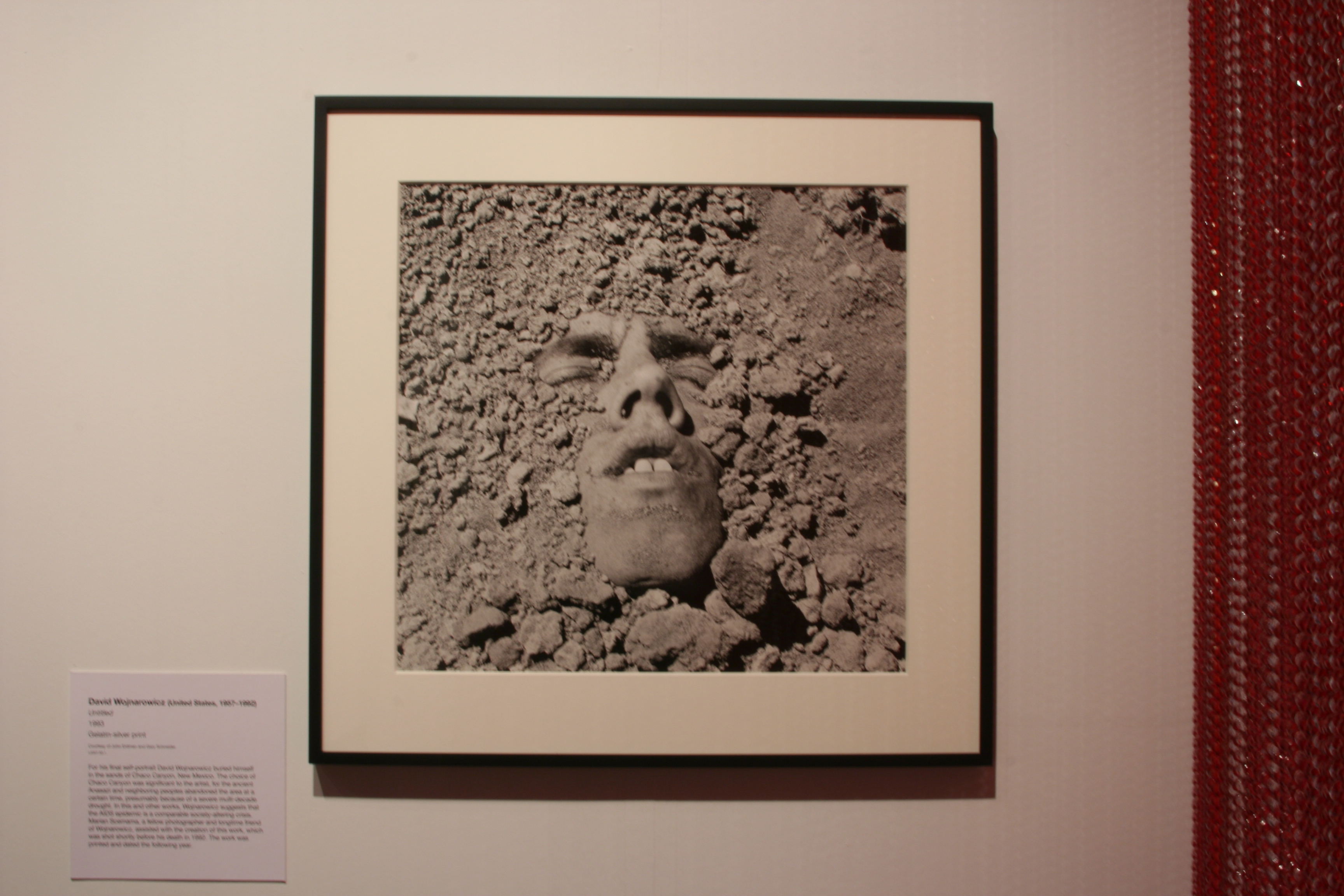
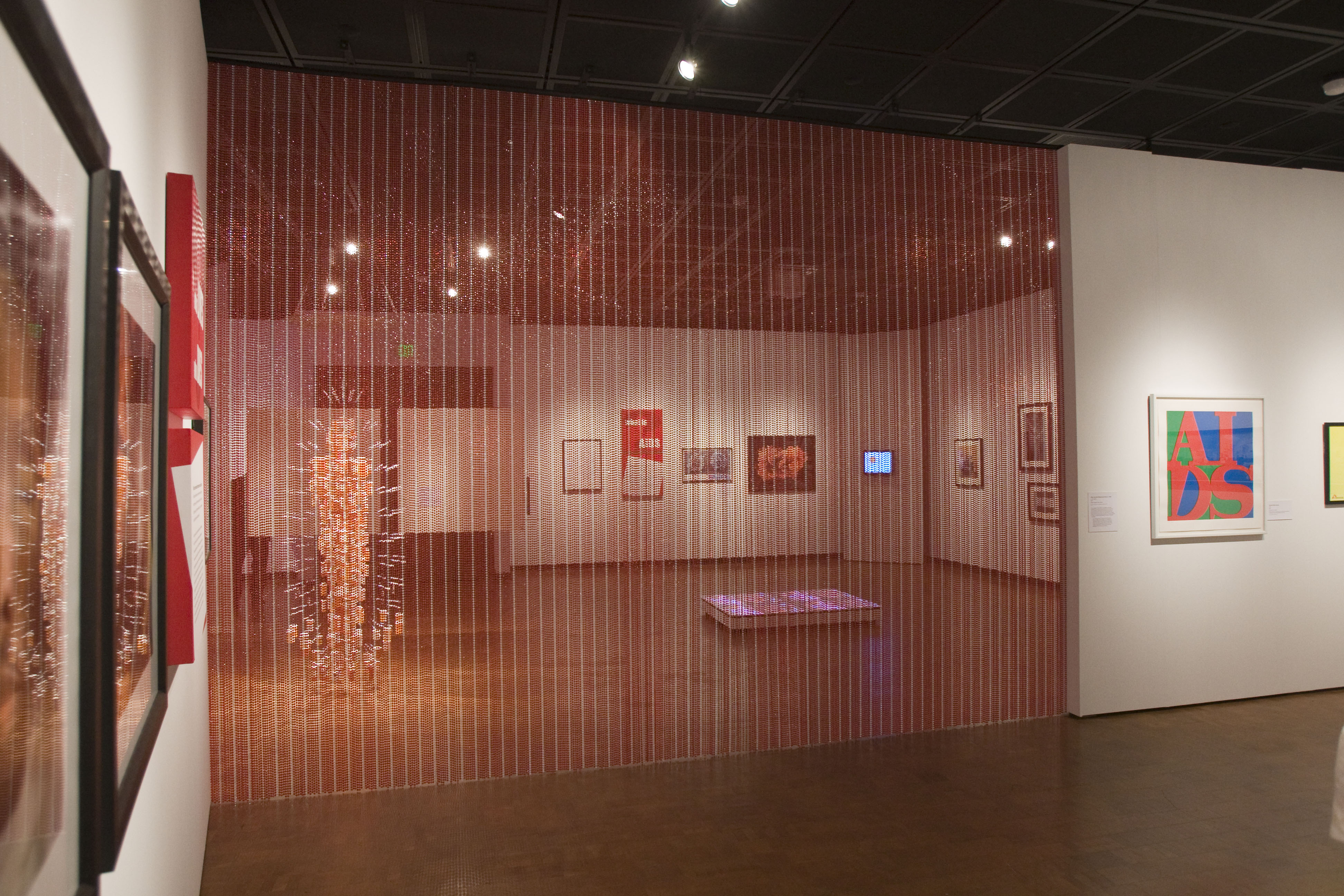
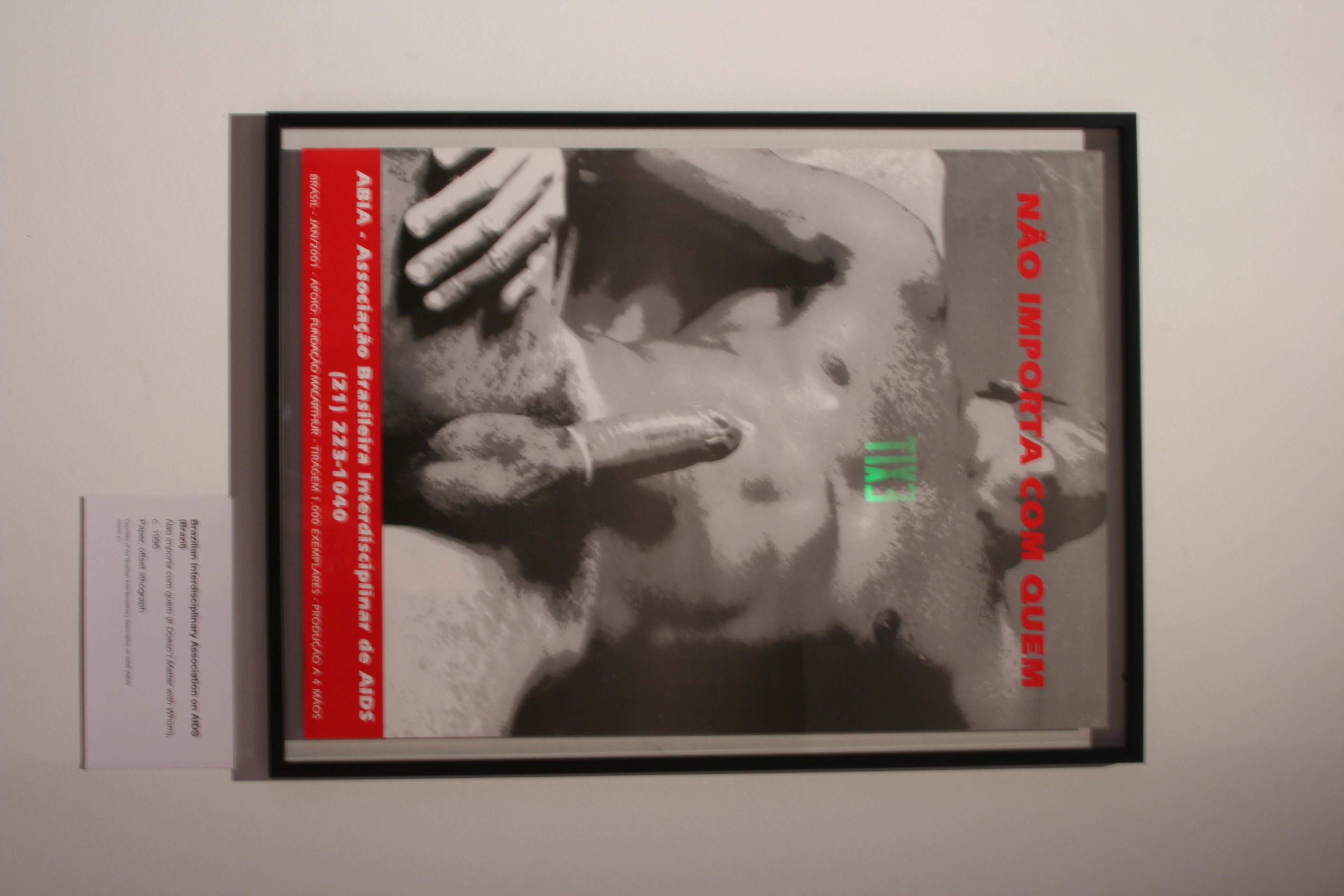
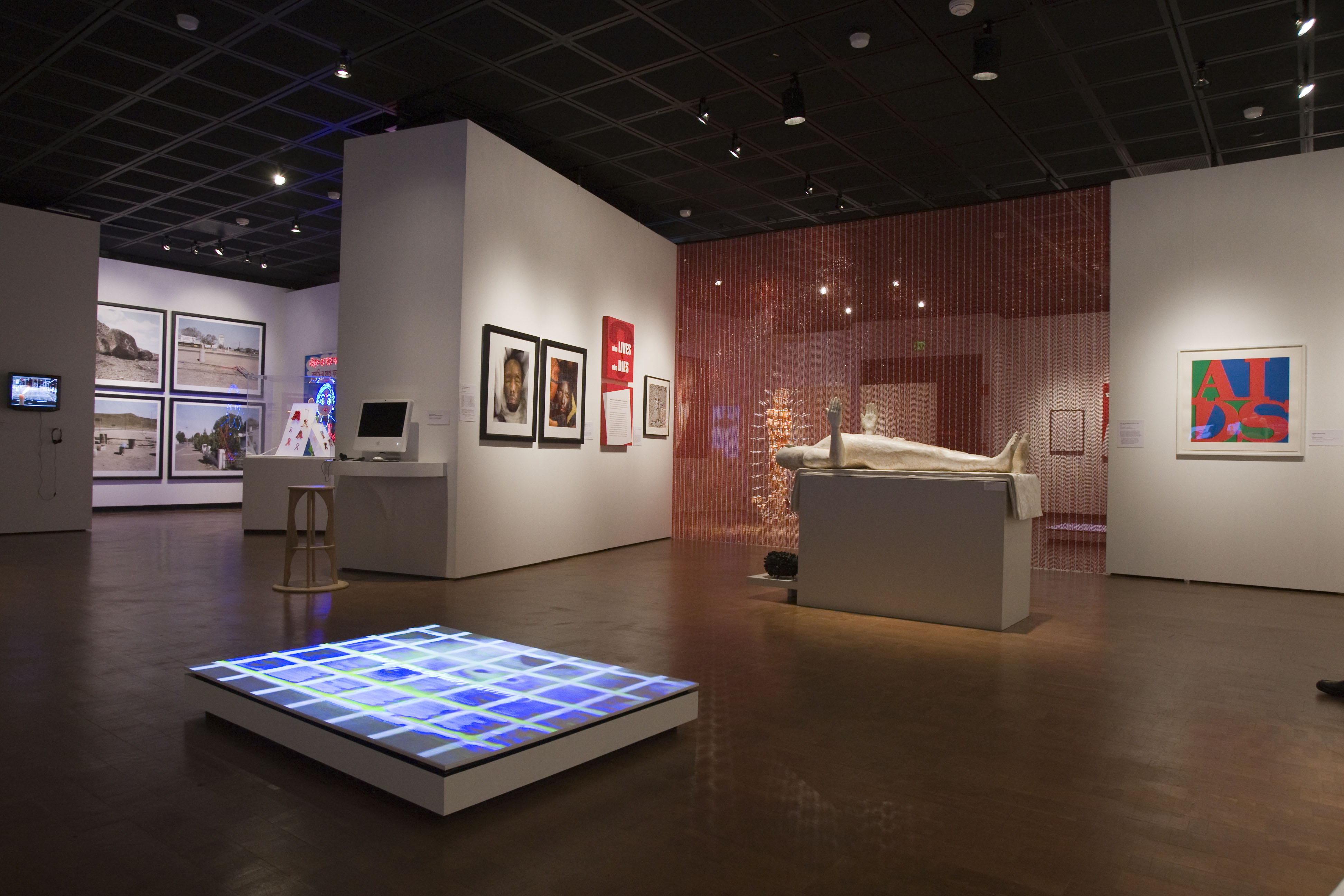
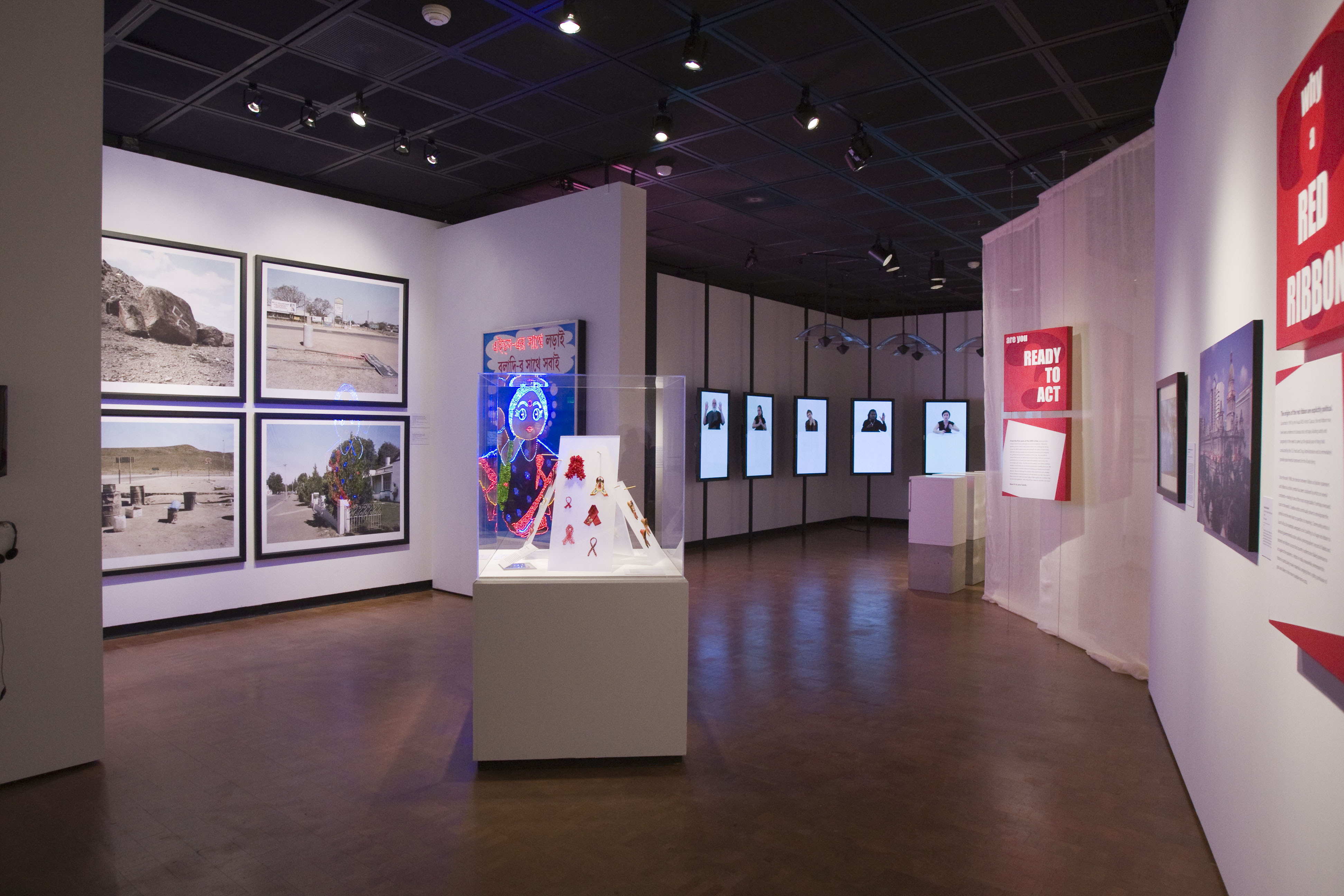
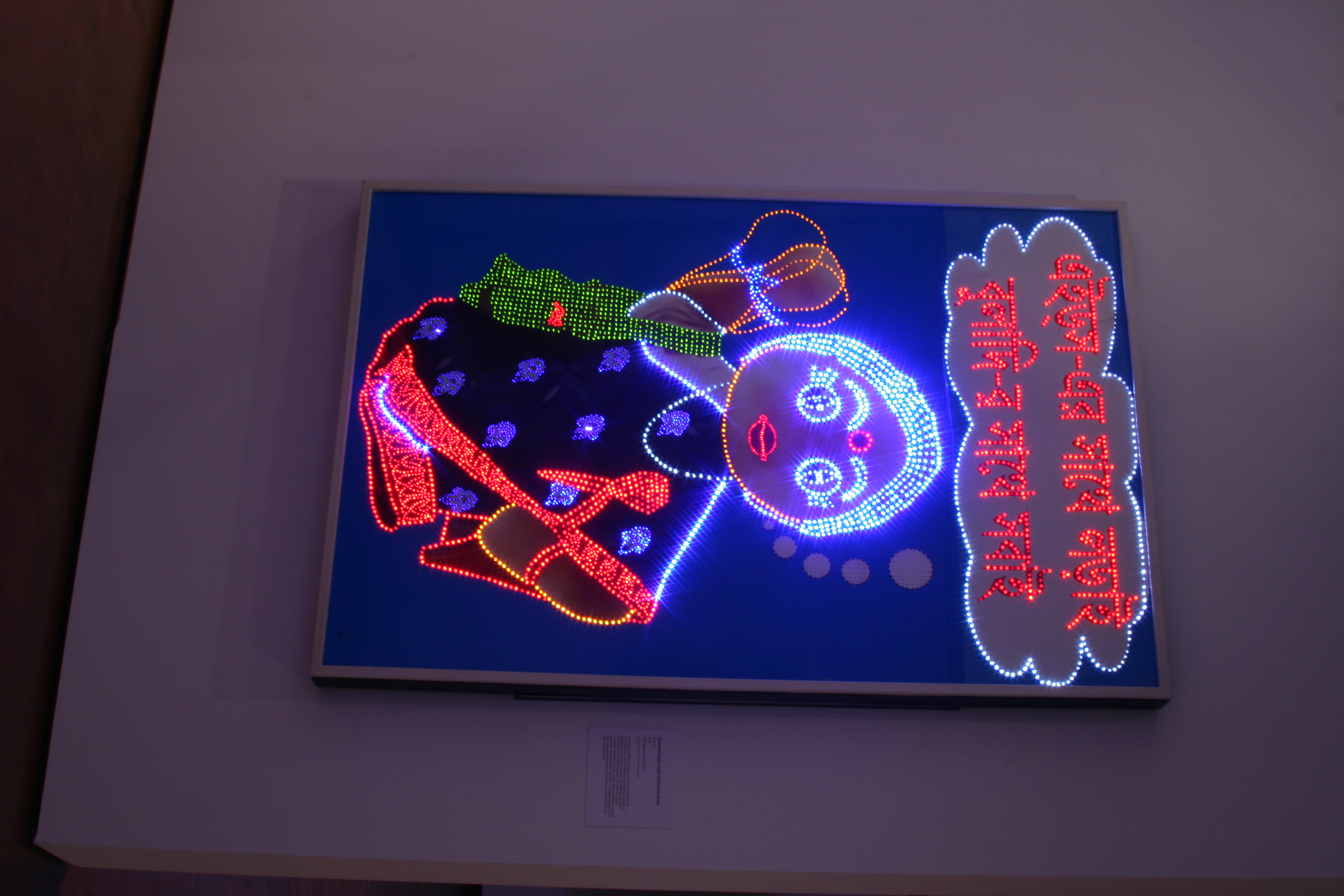
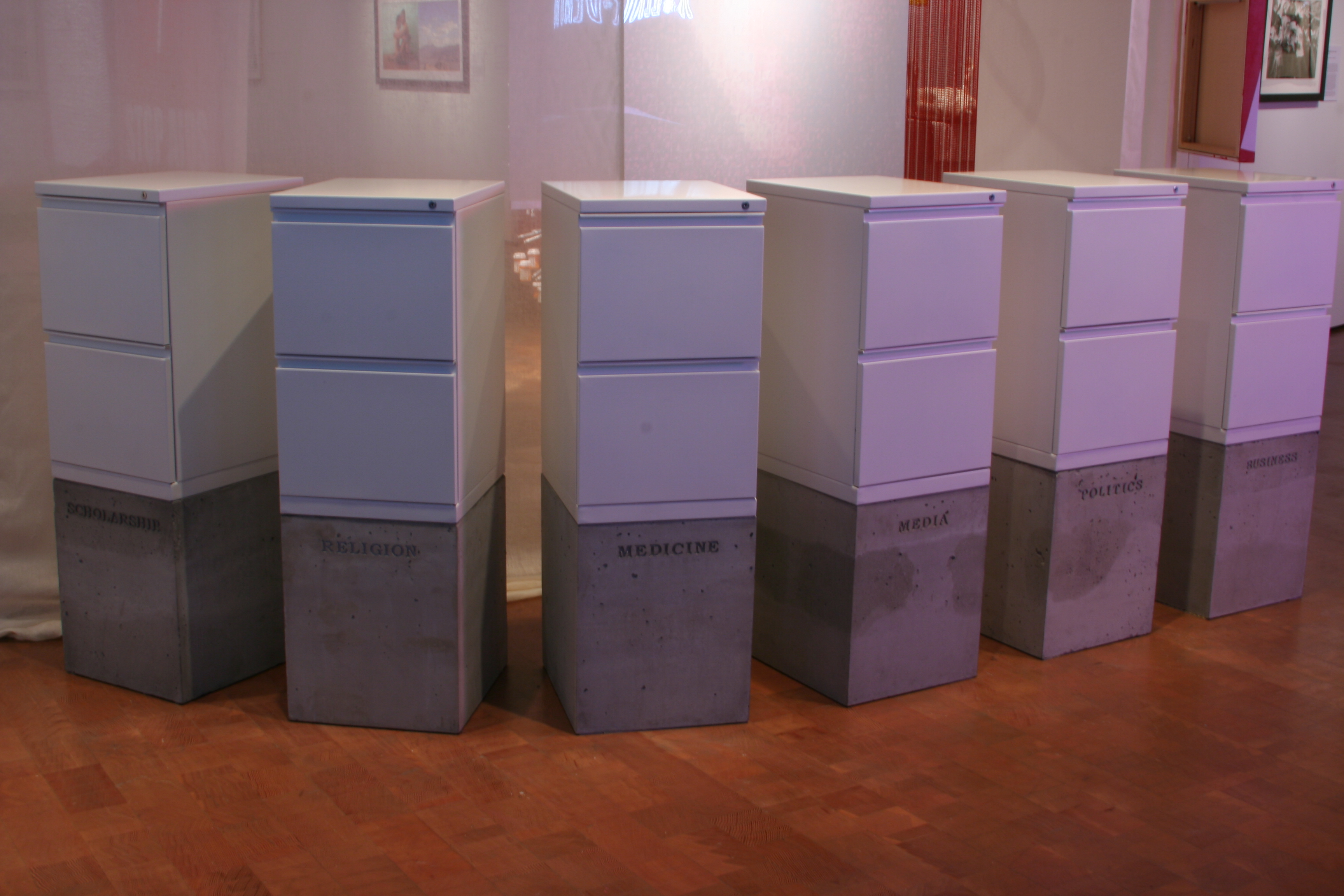
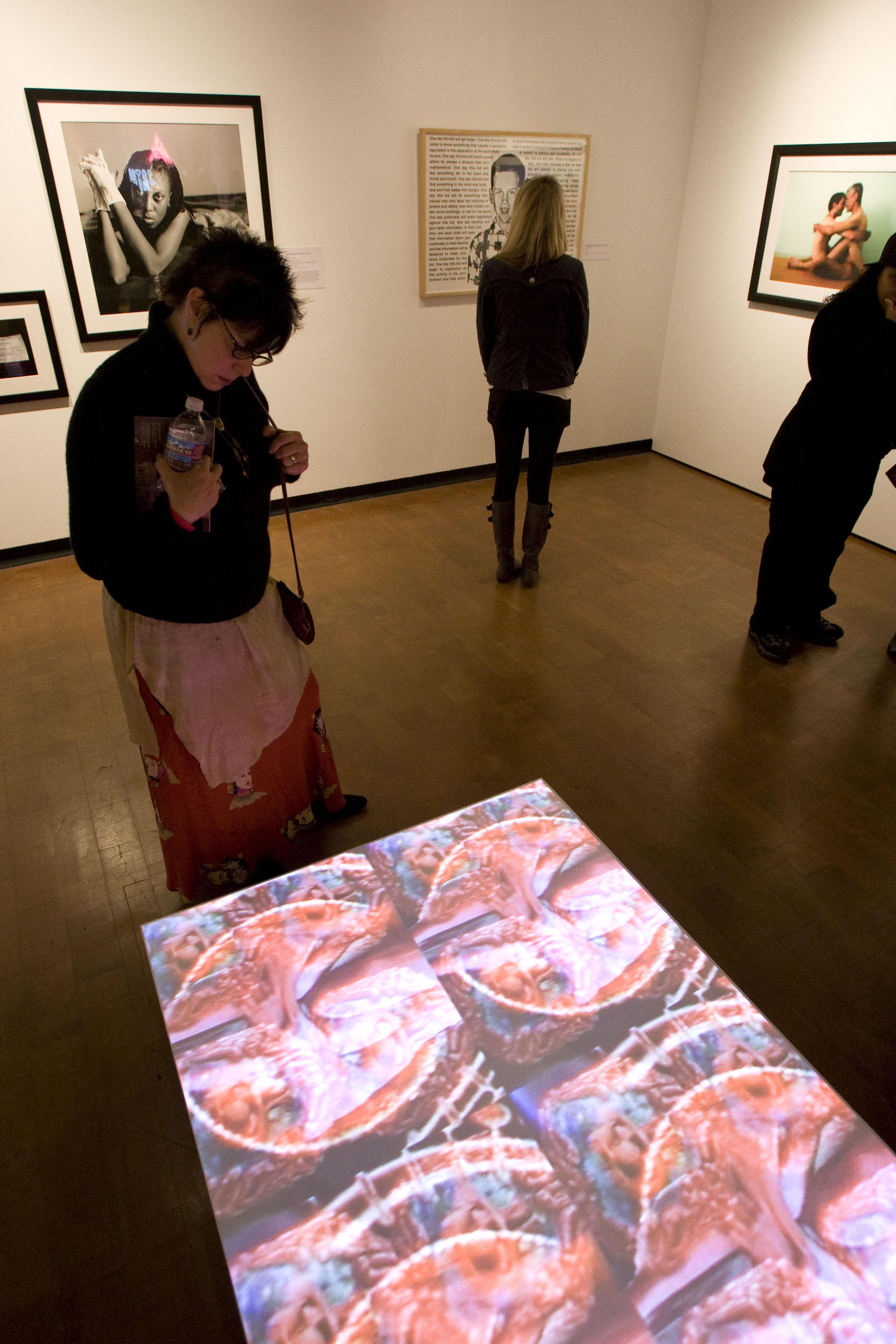
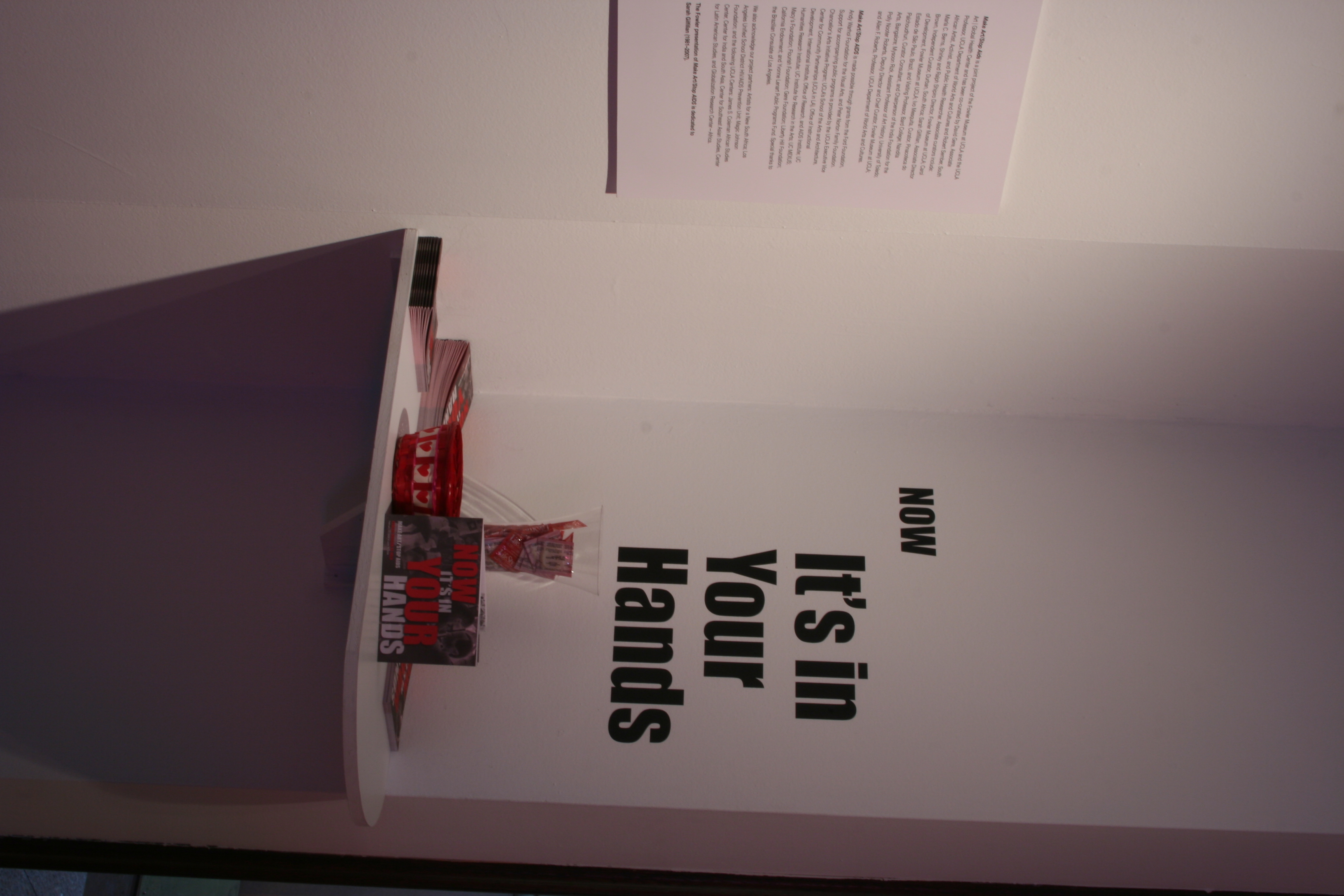
MAKE ART/STOP AIDS—an internationally traveling exhibition co-curated by David Gere and Robert Sember—debuted at the Fowler Museum at UCLA and was on view February 23–June 15, 2008. It explored how artists around the world were responding to HIV/AIDS and how their work raised awareness, inspired activism, and contributed to efforts to end the global AIDS epidemic. Featuring examples primarily from the United States, South Africa, India, and Brazil—four countries whose distinct experiences with and responses to the epidemic offered insightful case studies—MAKE ART/STOP AIDS presented approximately 60 works. These included contemporary paintings, sculptures, photographs, performance videos, posters, animated shorts, digital media, and installations documenting the history and scale of the epidemic. Works by Robert Gober, David Wojnarowicz, Fiona Kirkwood, Daniel Goldstein, Jean Carlomusto, the collective Gran Fury, and many others were organized around a series of key questions.
What Is AIDS?
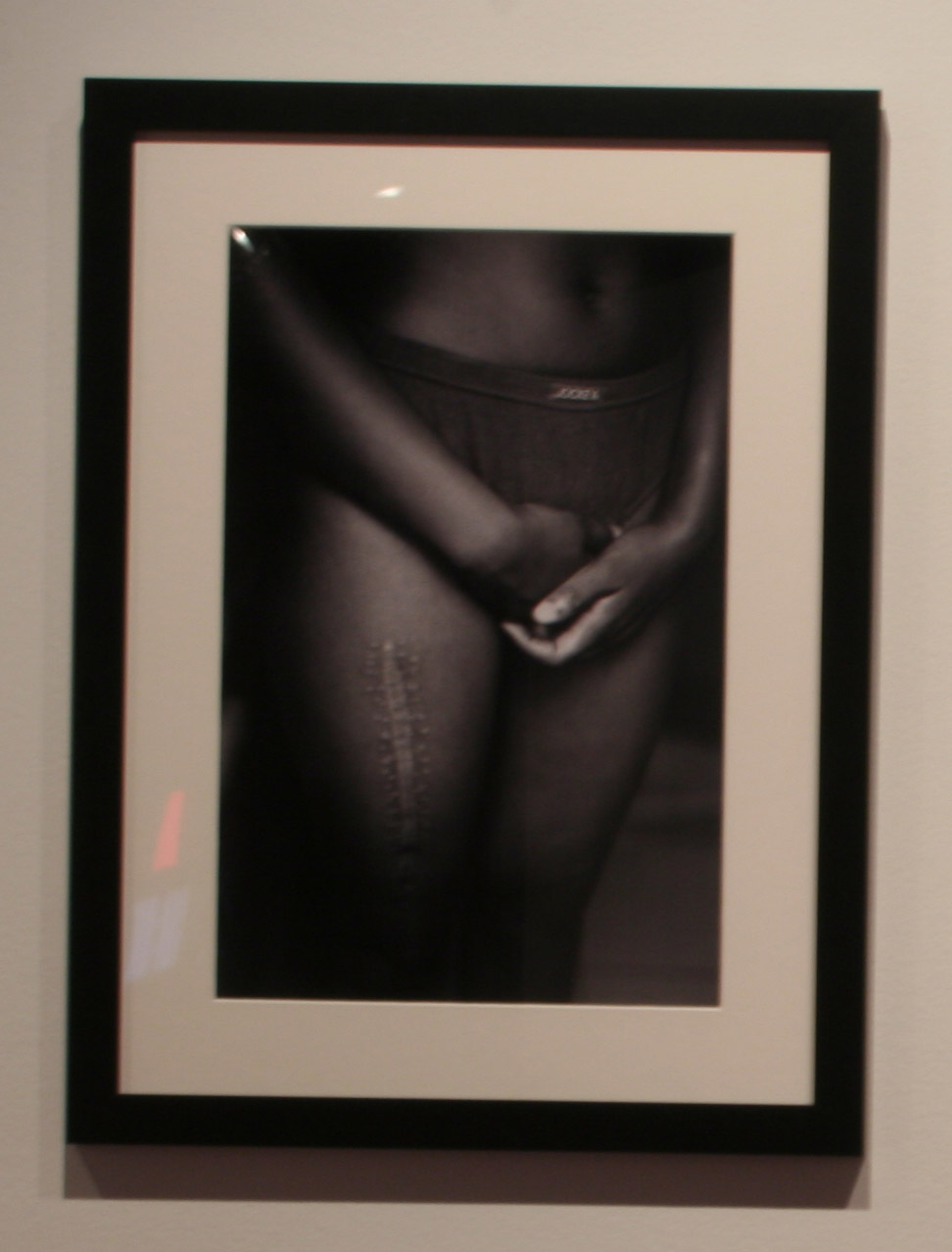
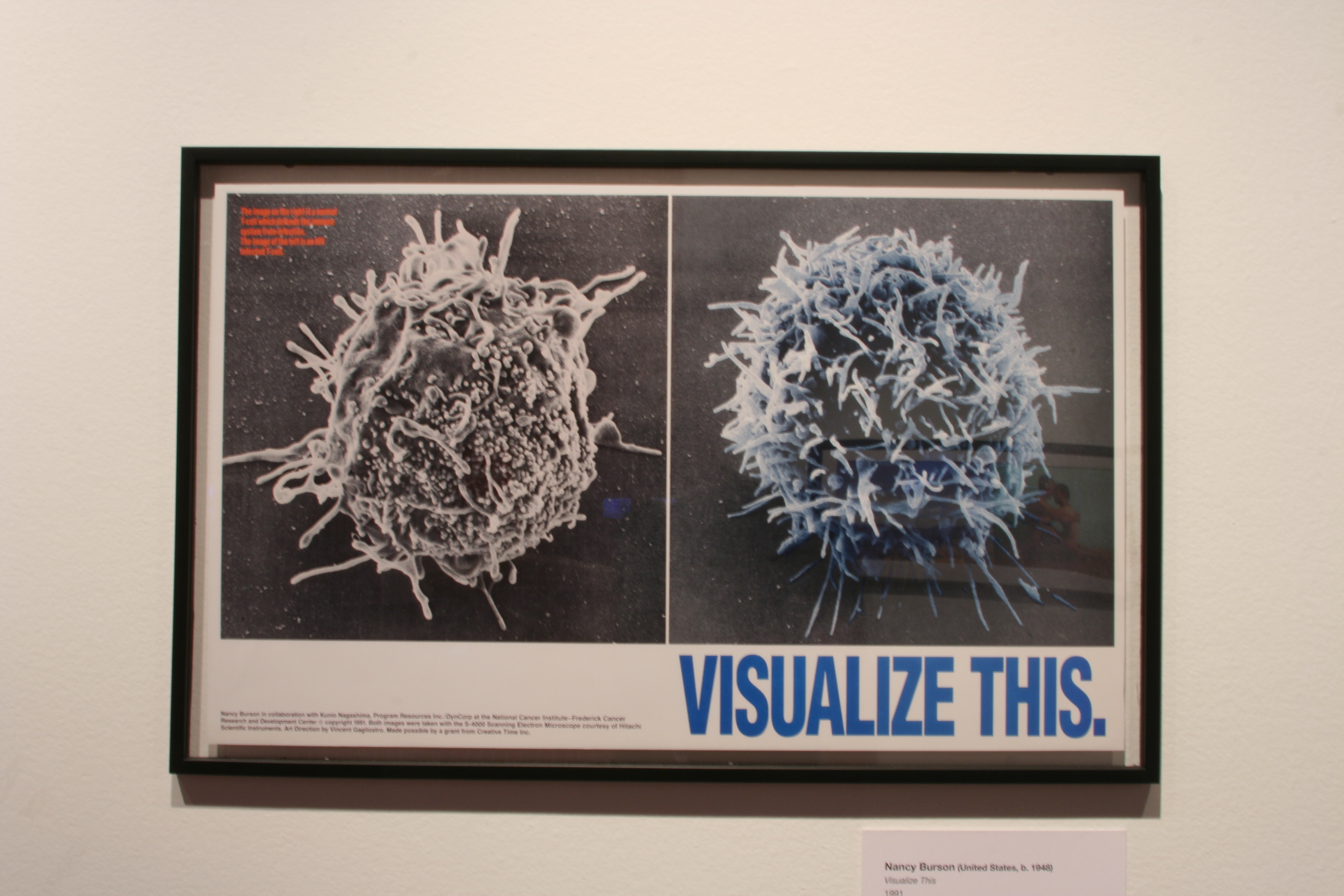
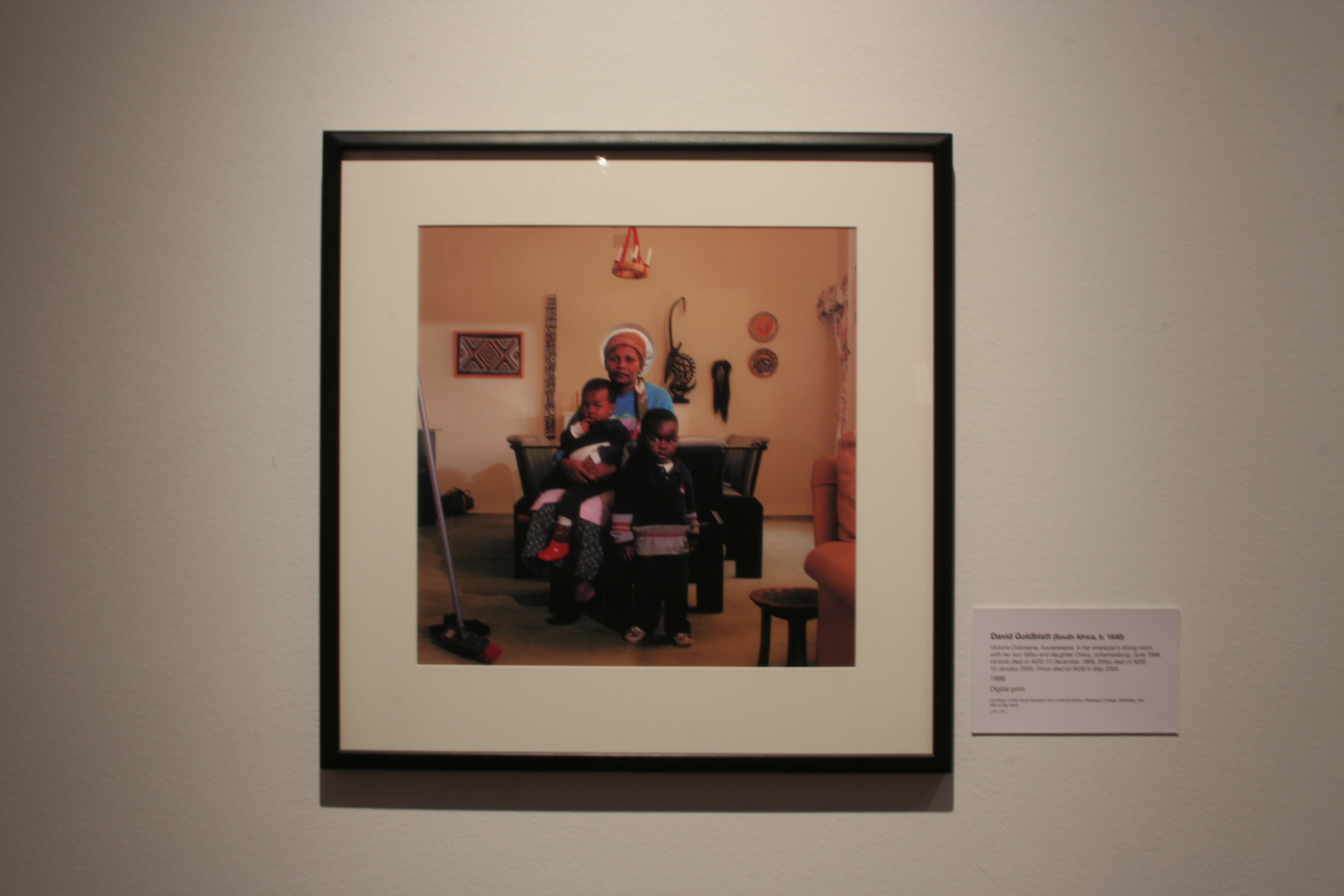
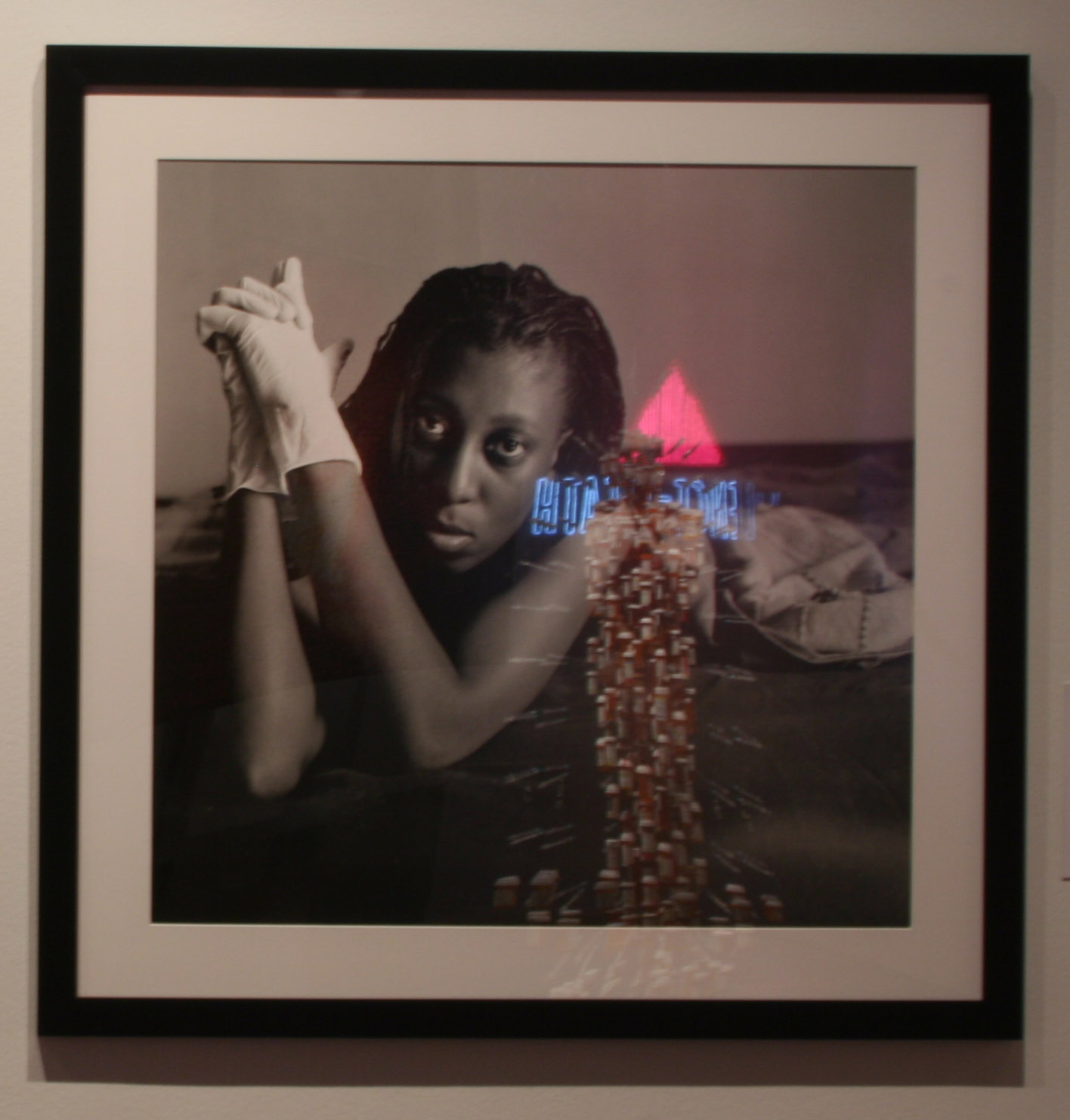
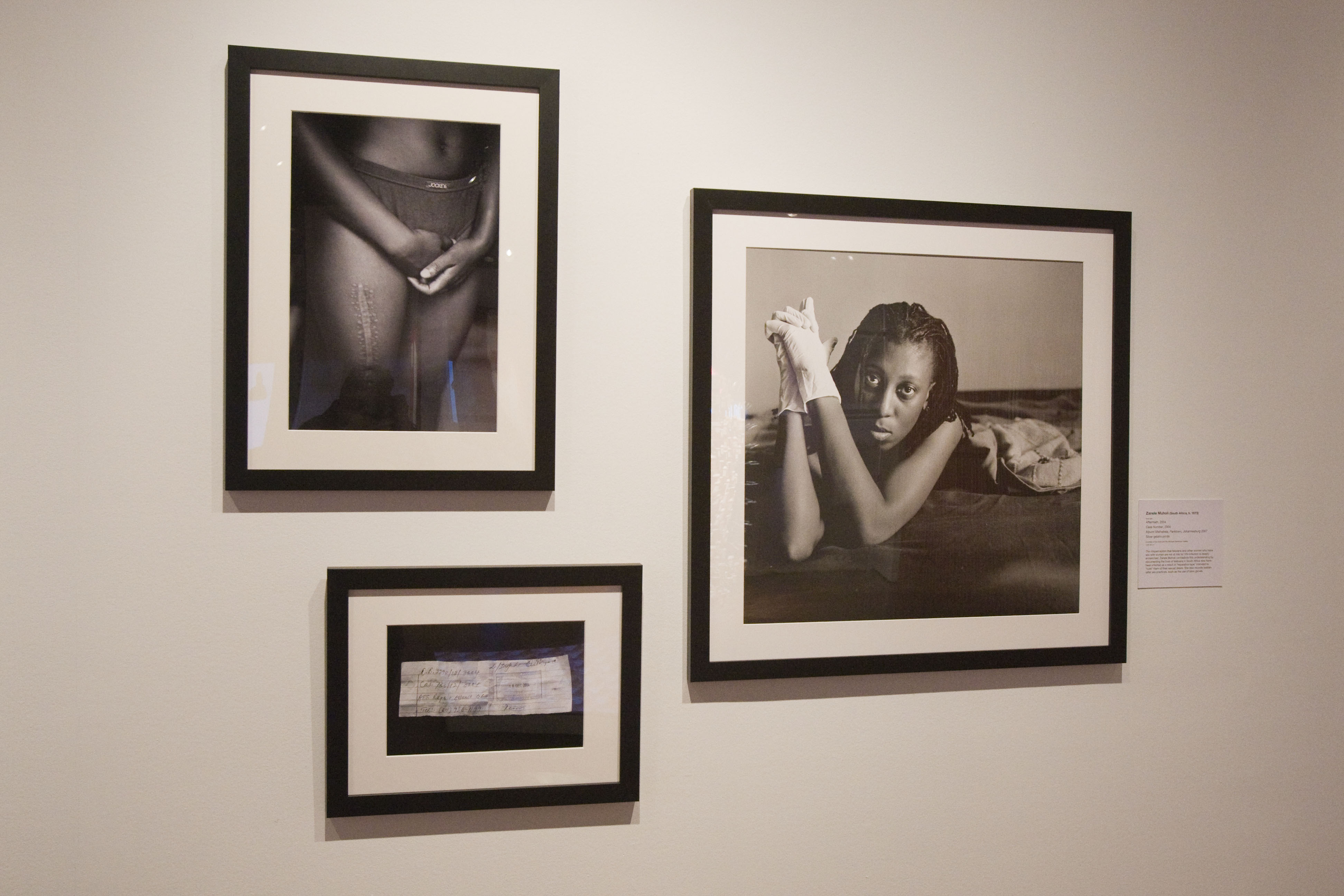
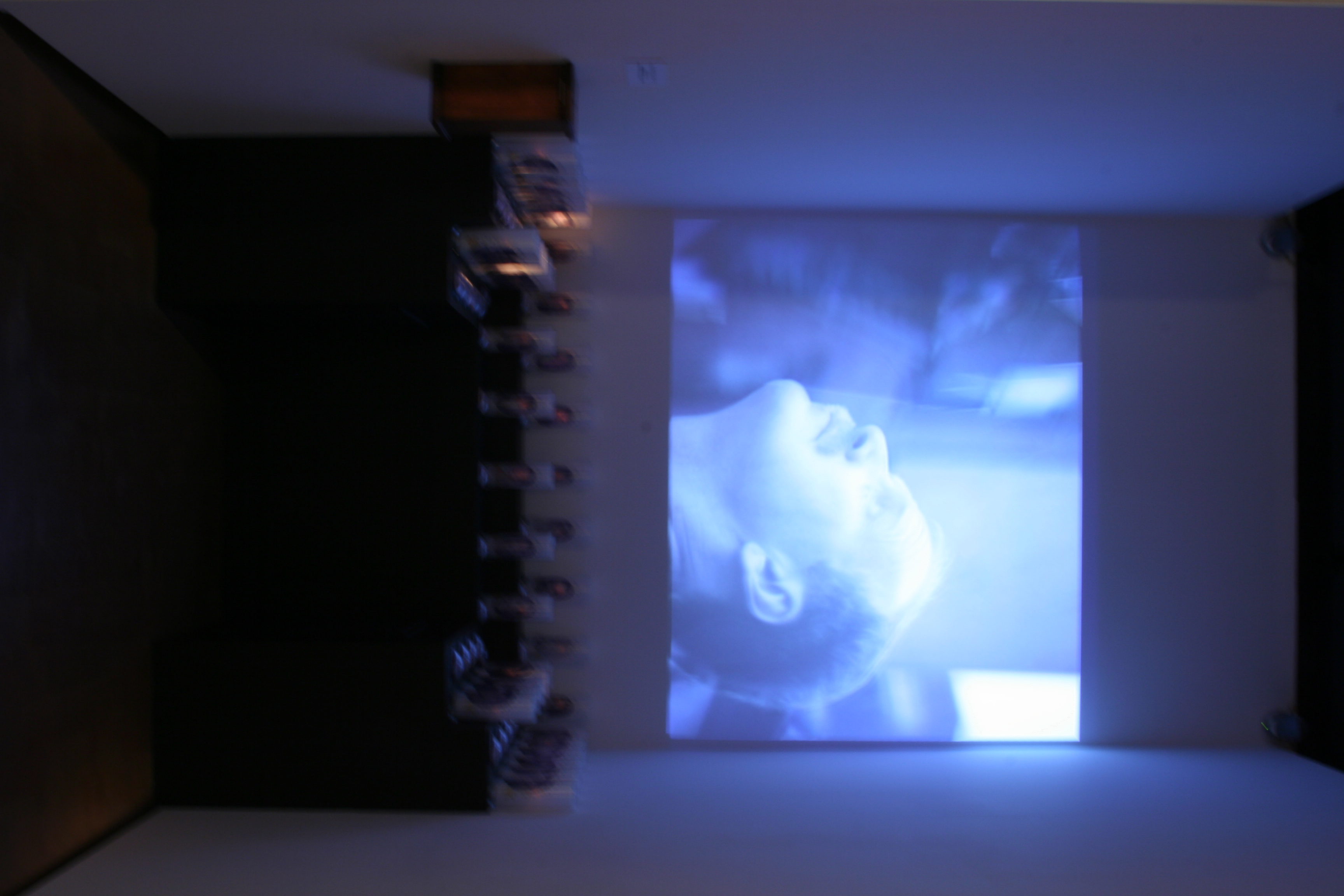
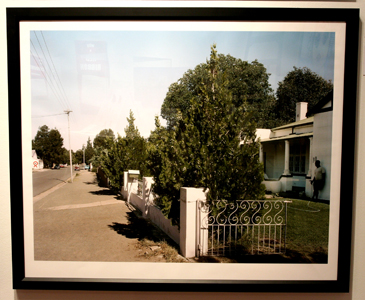
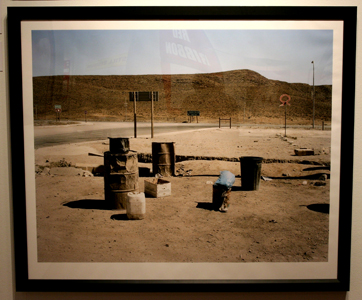
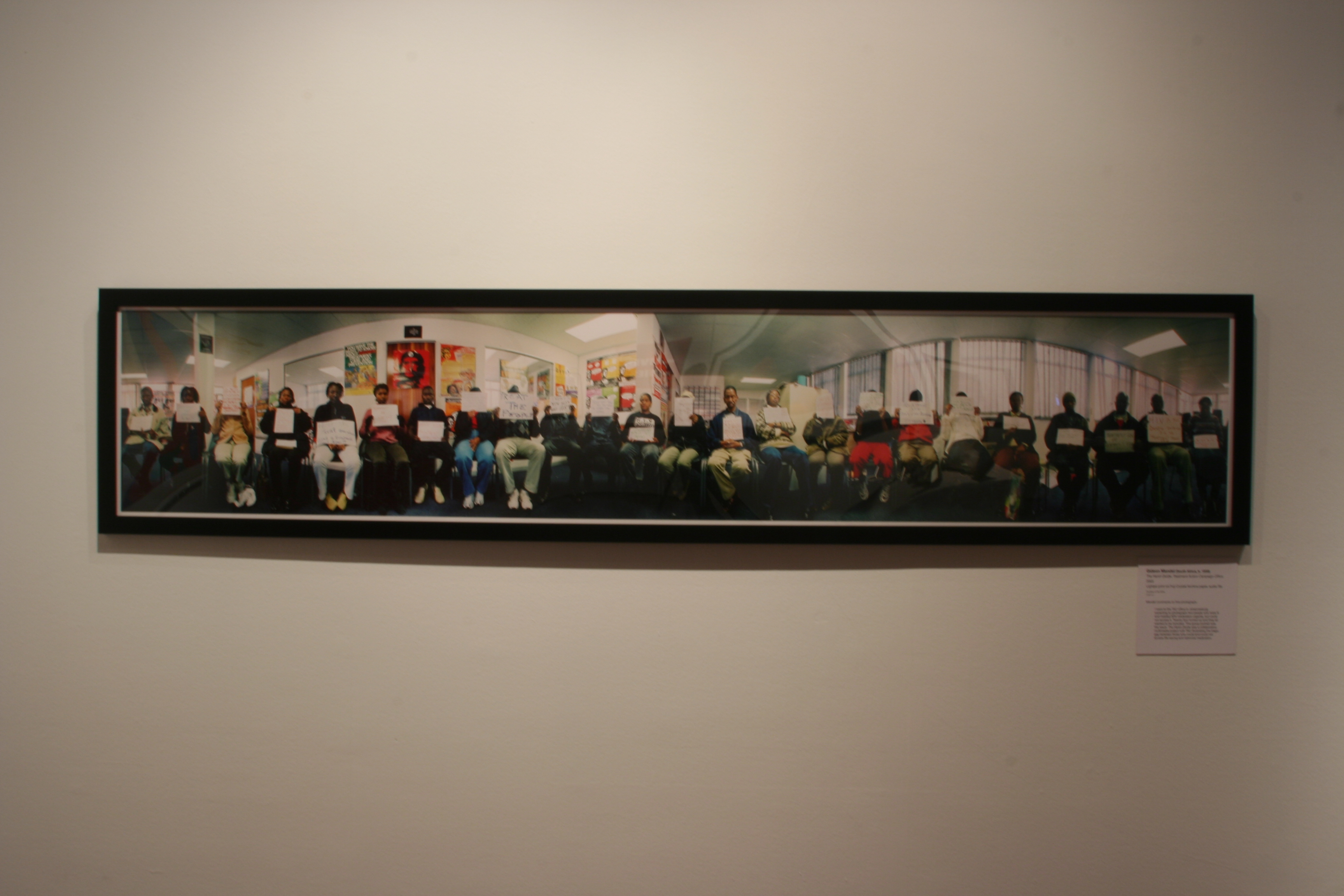
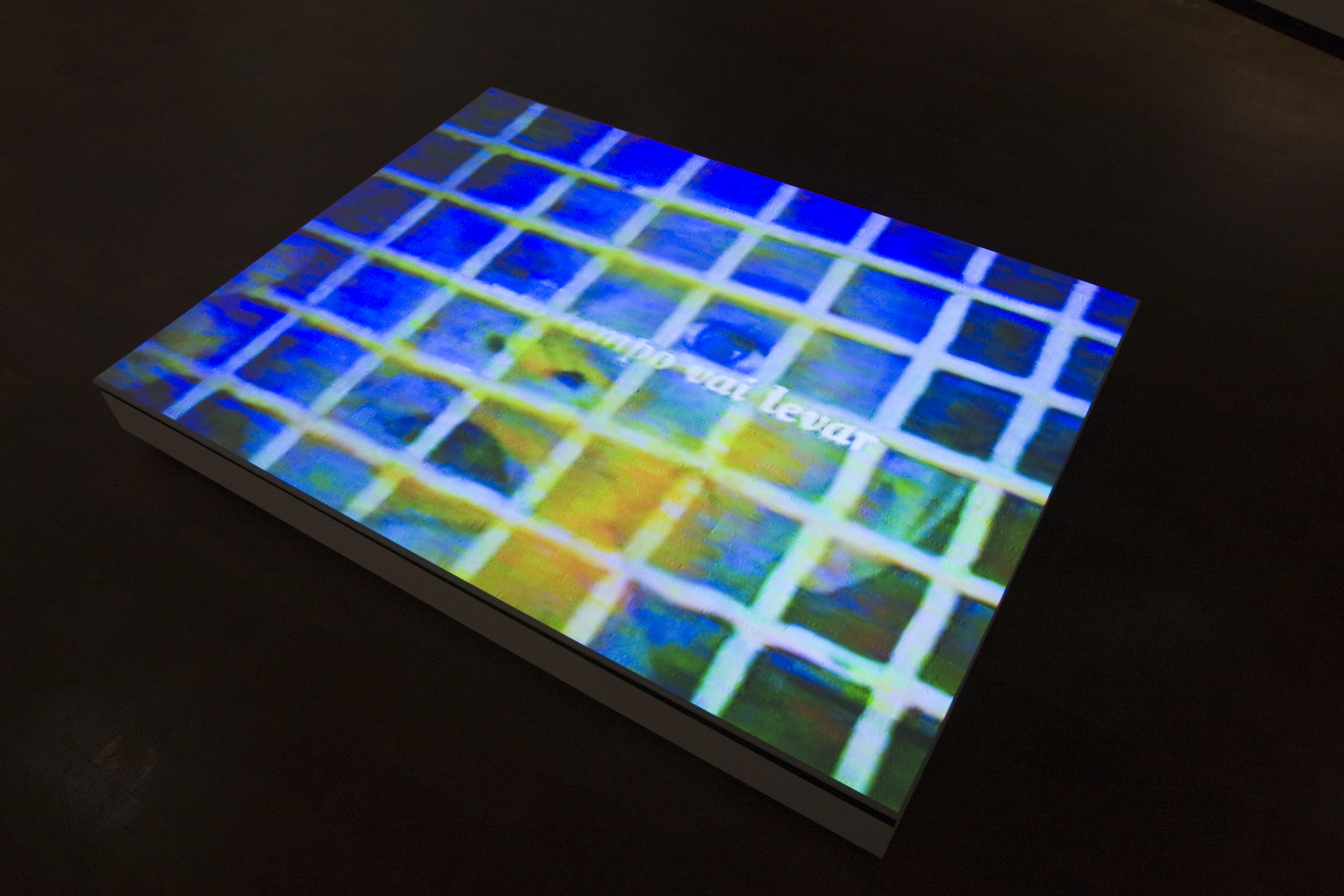
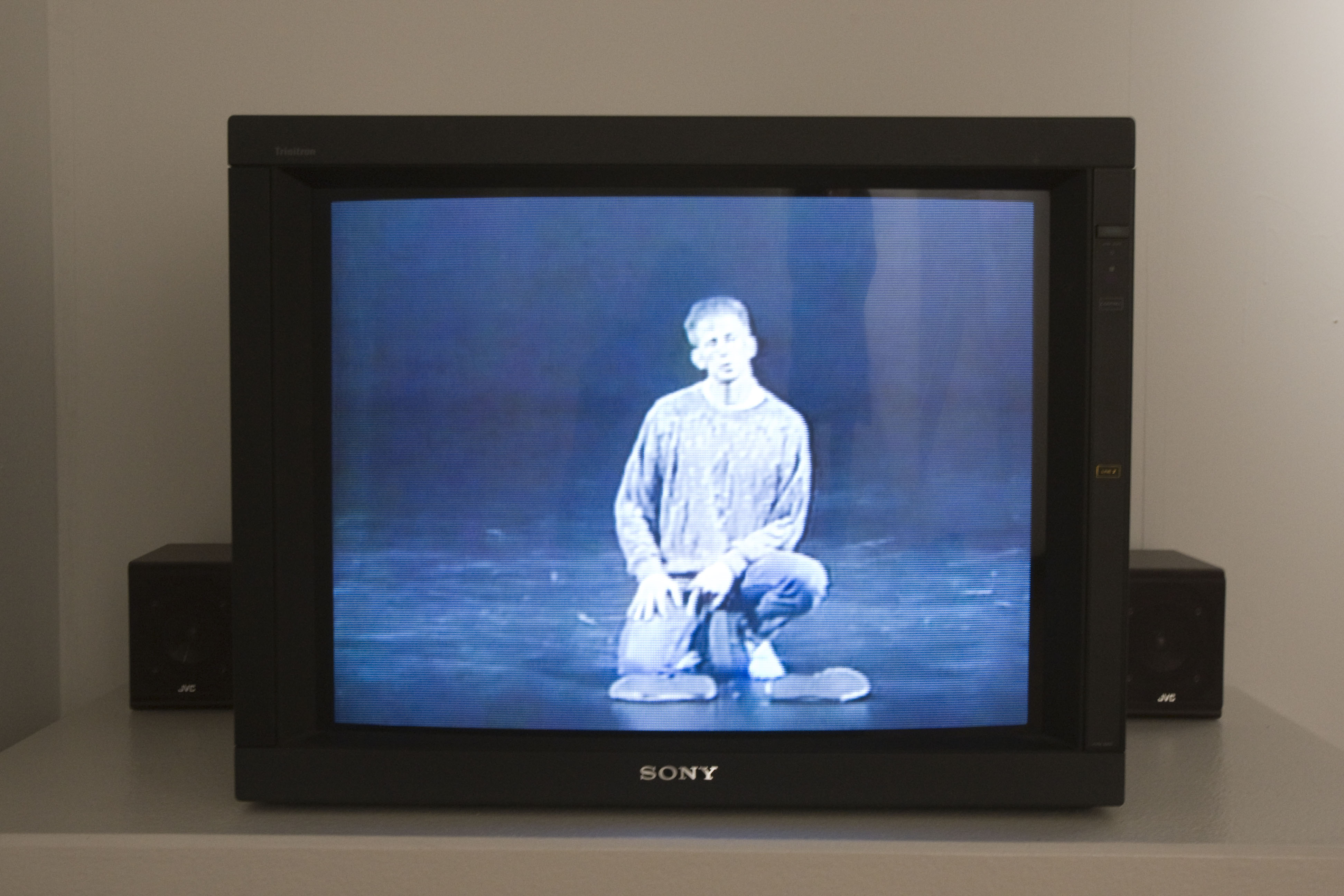
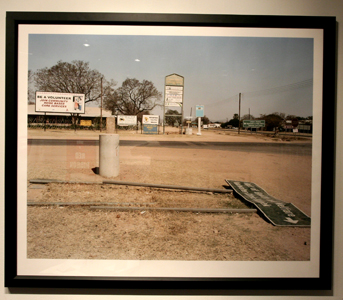
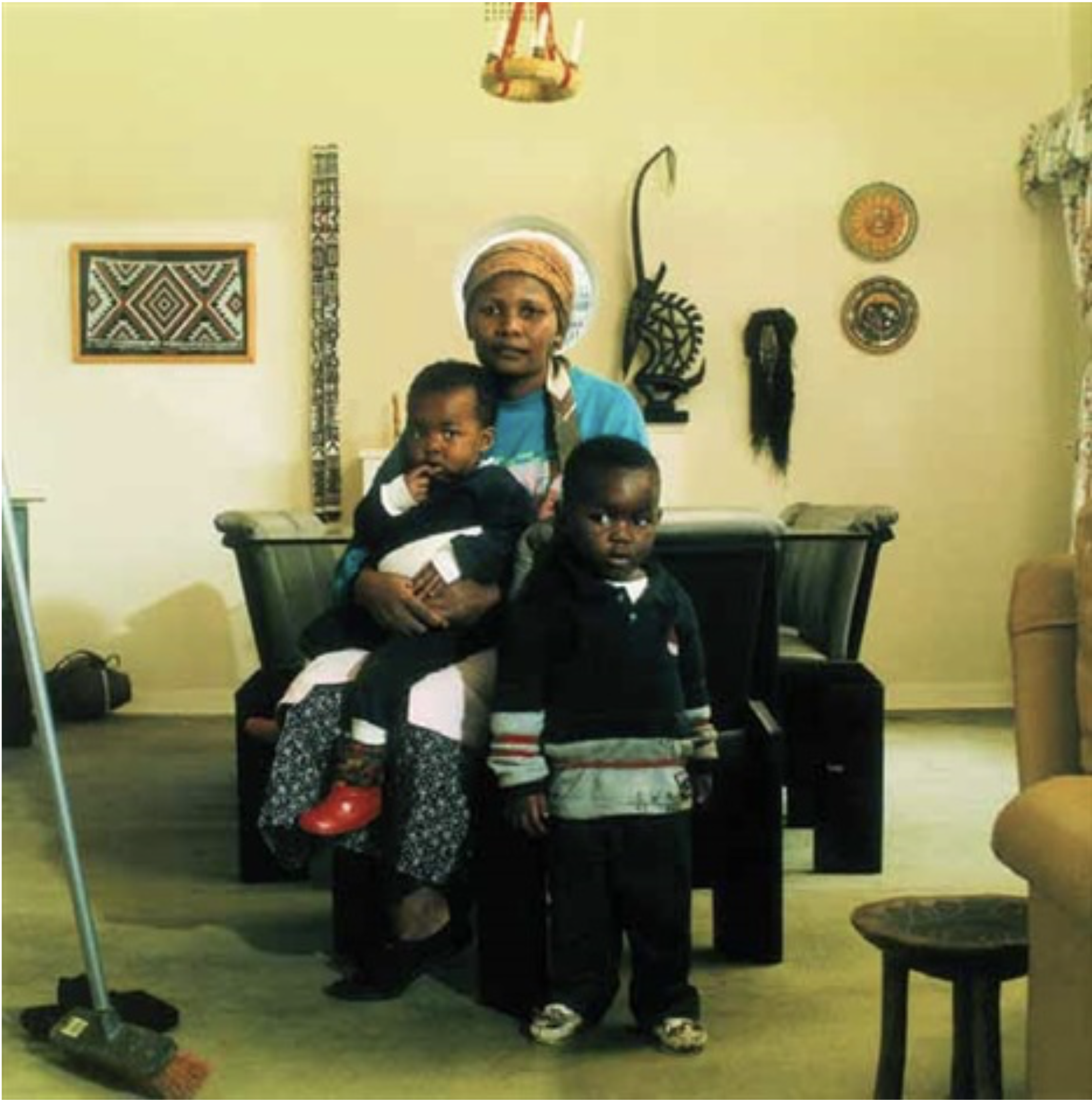
MAKE ART/STOP AIDS opened by examining AIDS as a sociocultural phenomenon shaped by belief, behavior, migration, fear, and gender-based inequities. The works reminded visitors that HIV/AIDS is experienced within complex social worlds defined by difference, desire, inequality, and sometimes violence. This section included photographs by David Goldblatt, Zanele Muholi, Sunil Gupta, and others addressing the social effects of AIDS, along with Lennart Nilsson’s scanned electron microscope photograph of HIV and a large-scale video projection by South African artist Churchill Madikida.
Who Lives, Who Dies?
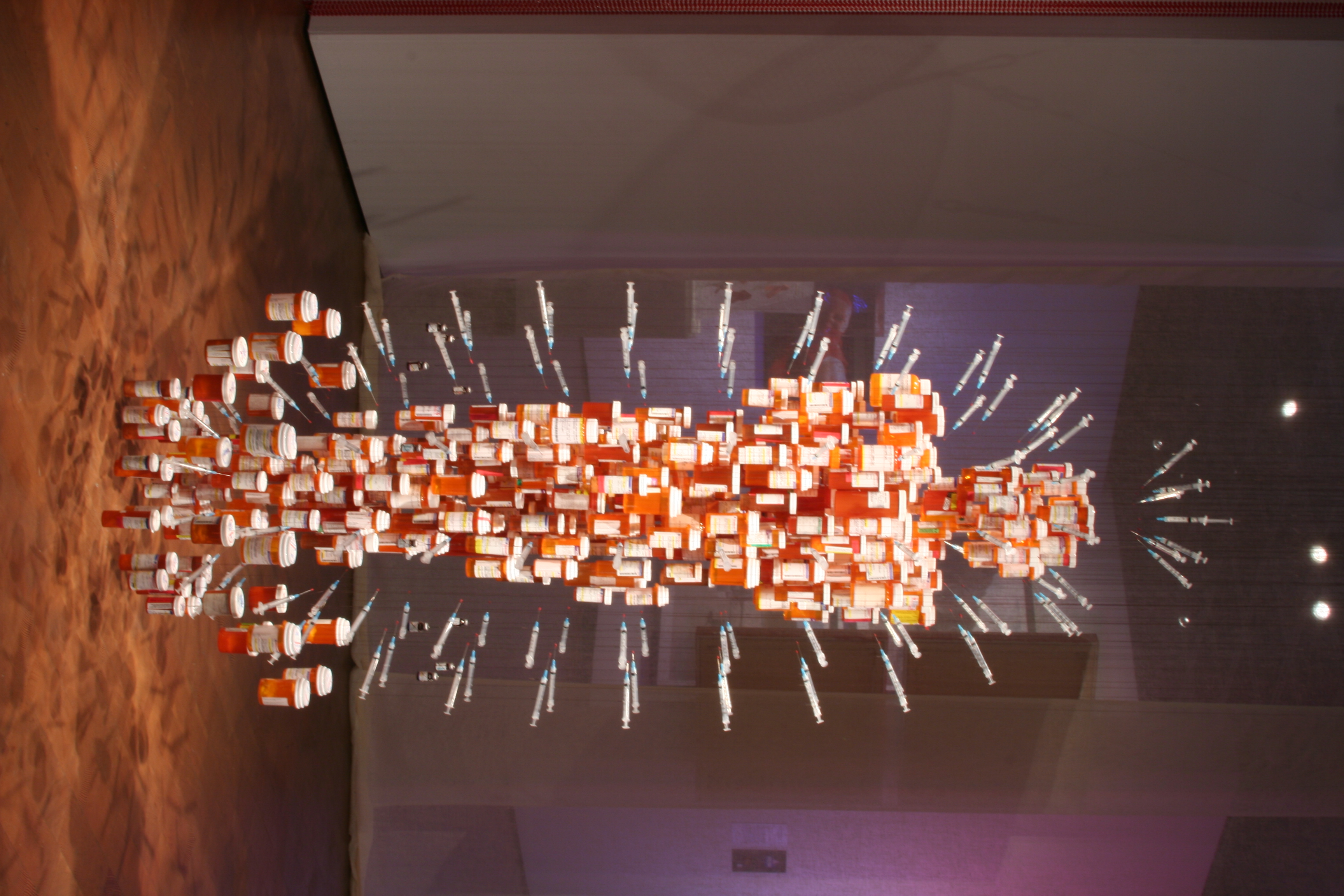
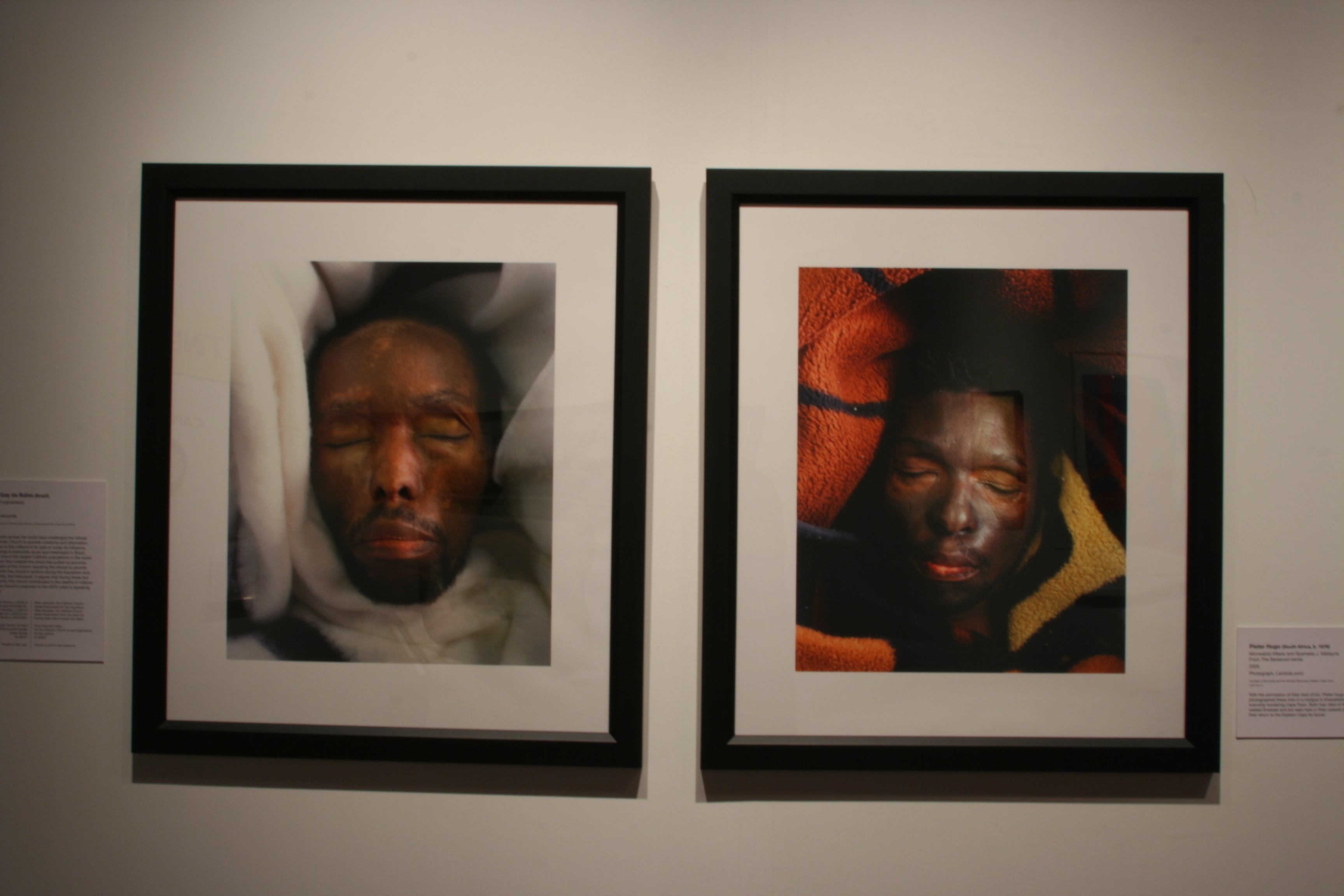
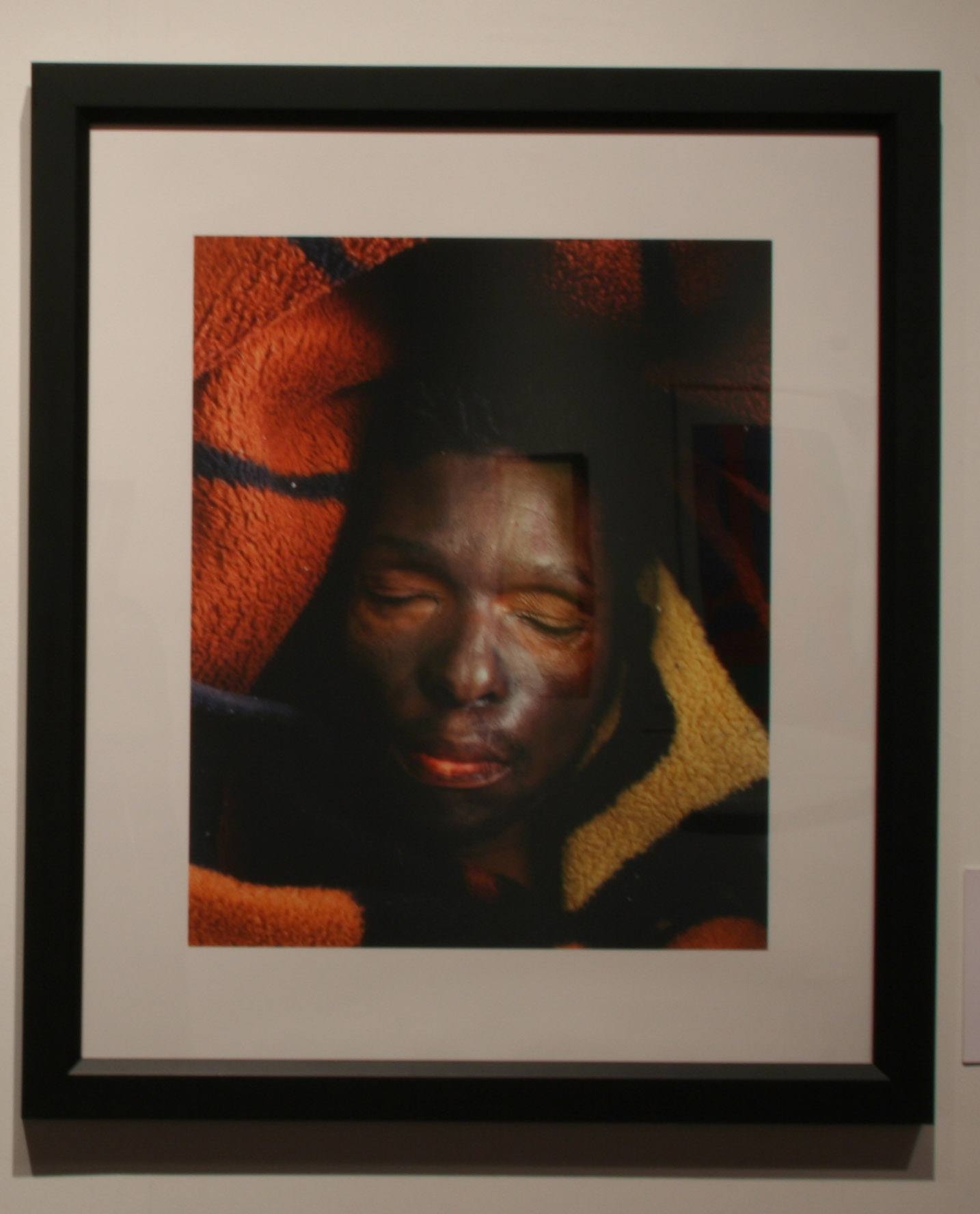
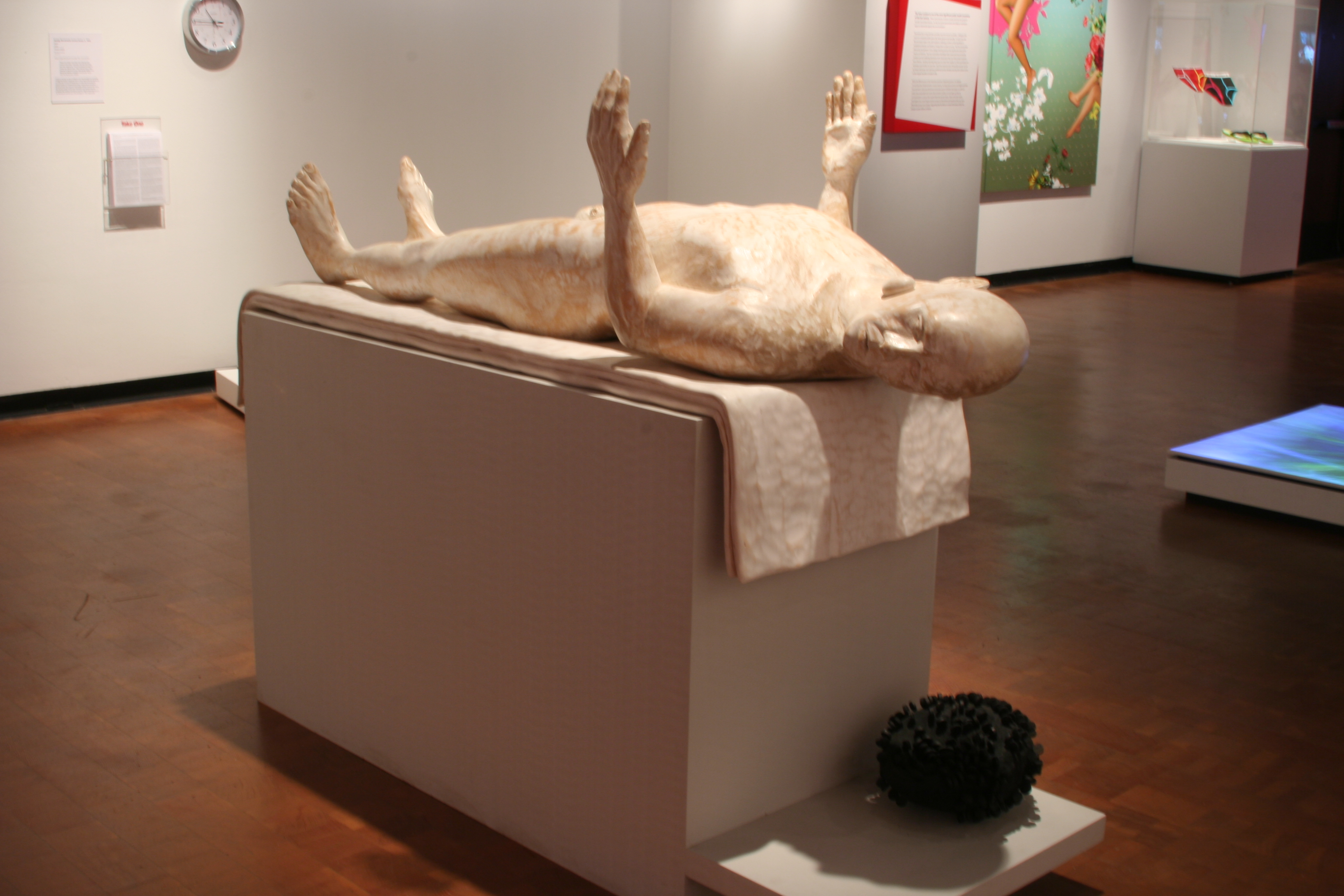
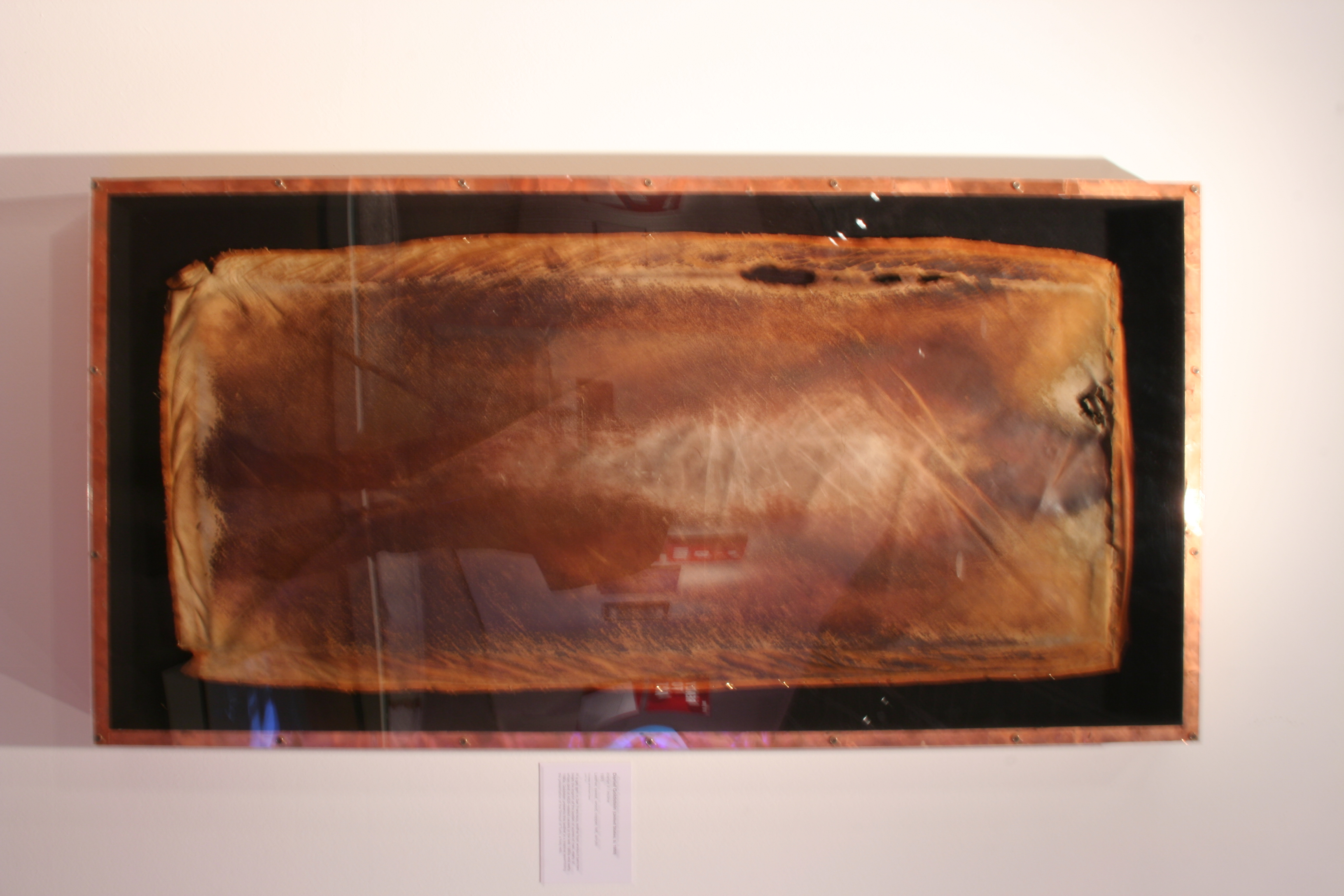
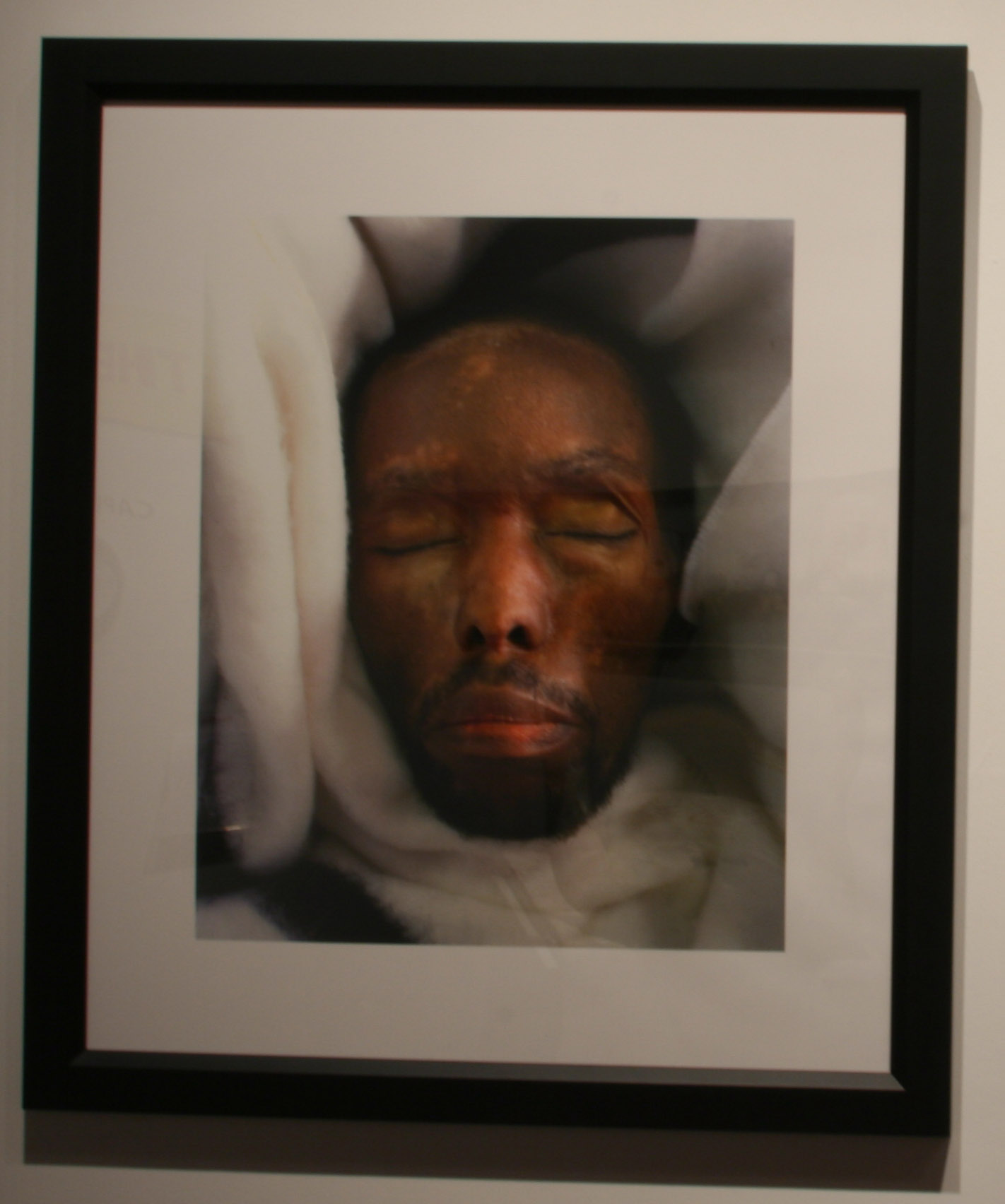
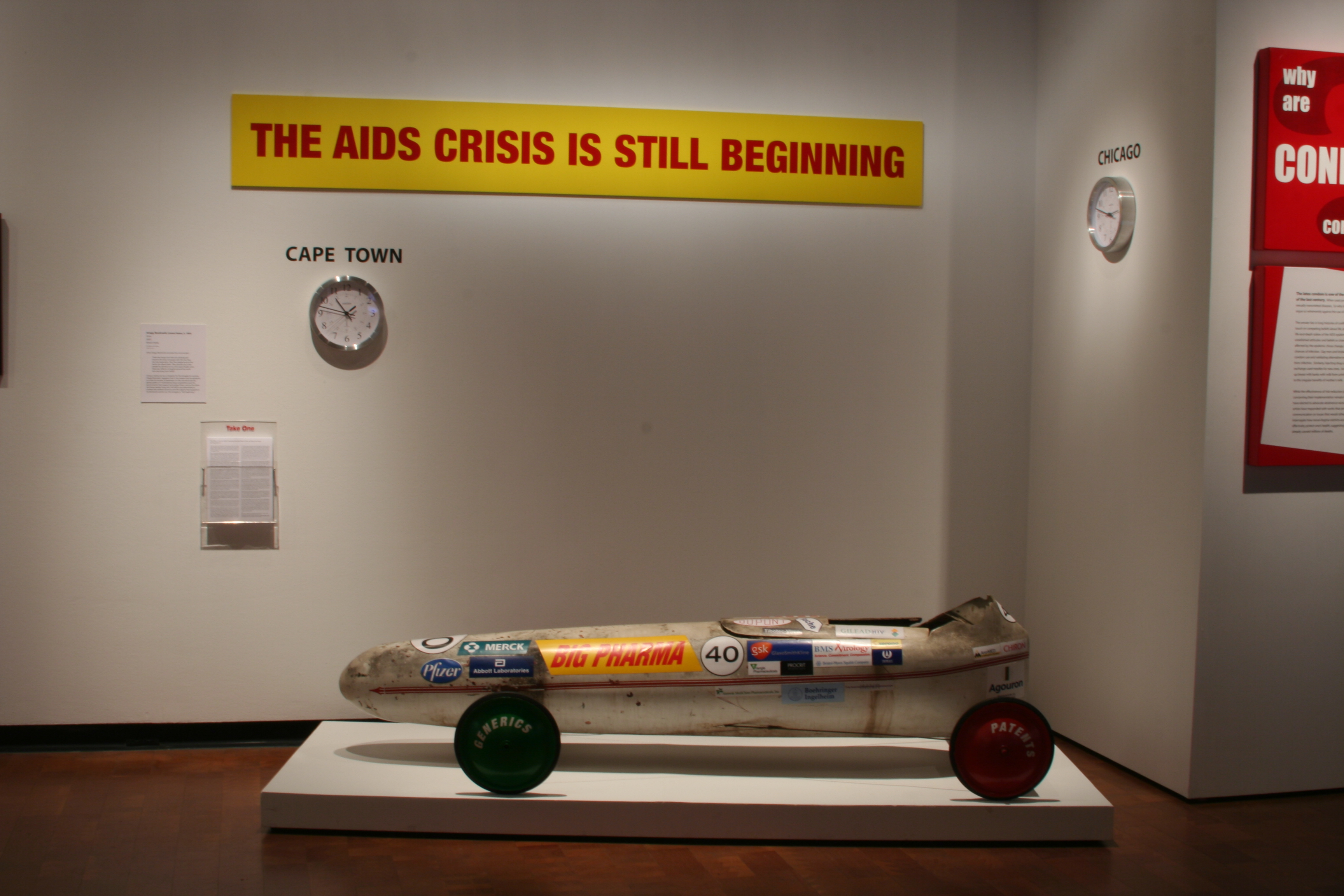
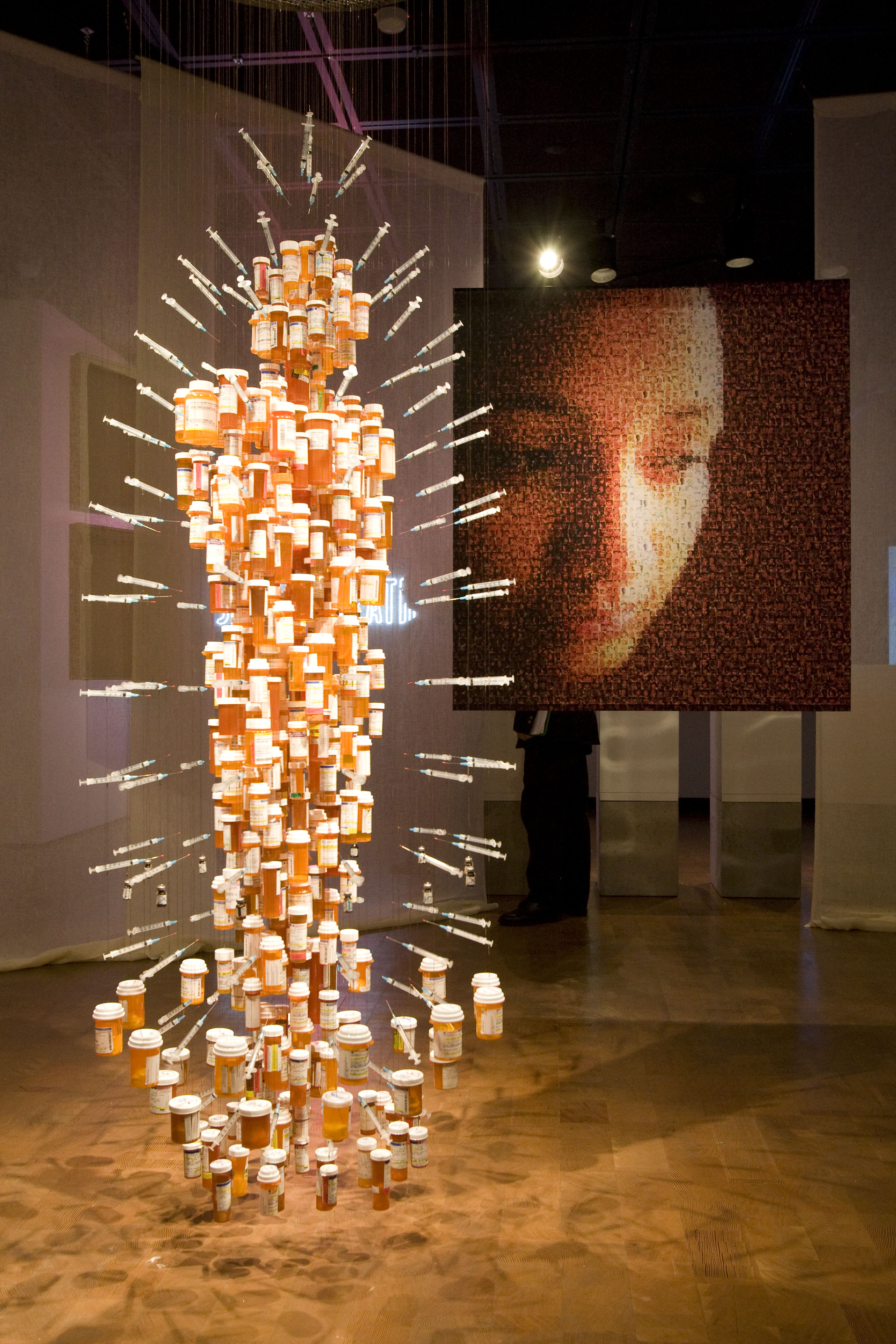
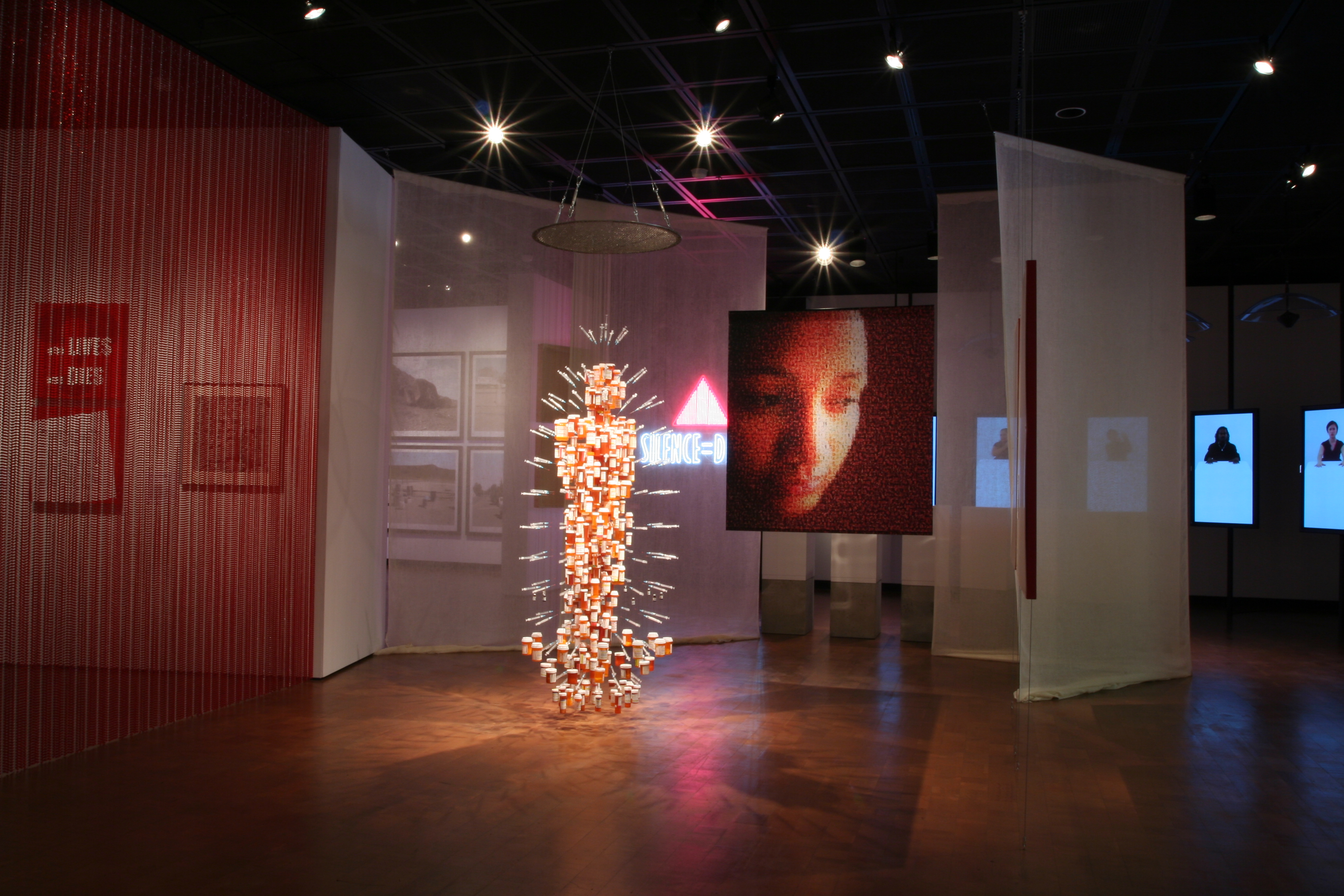
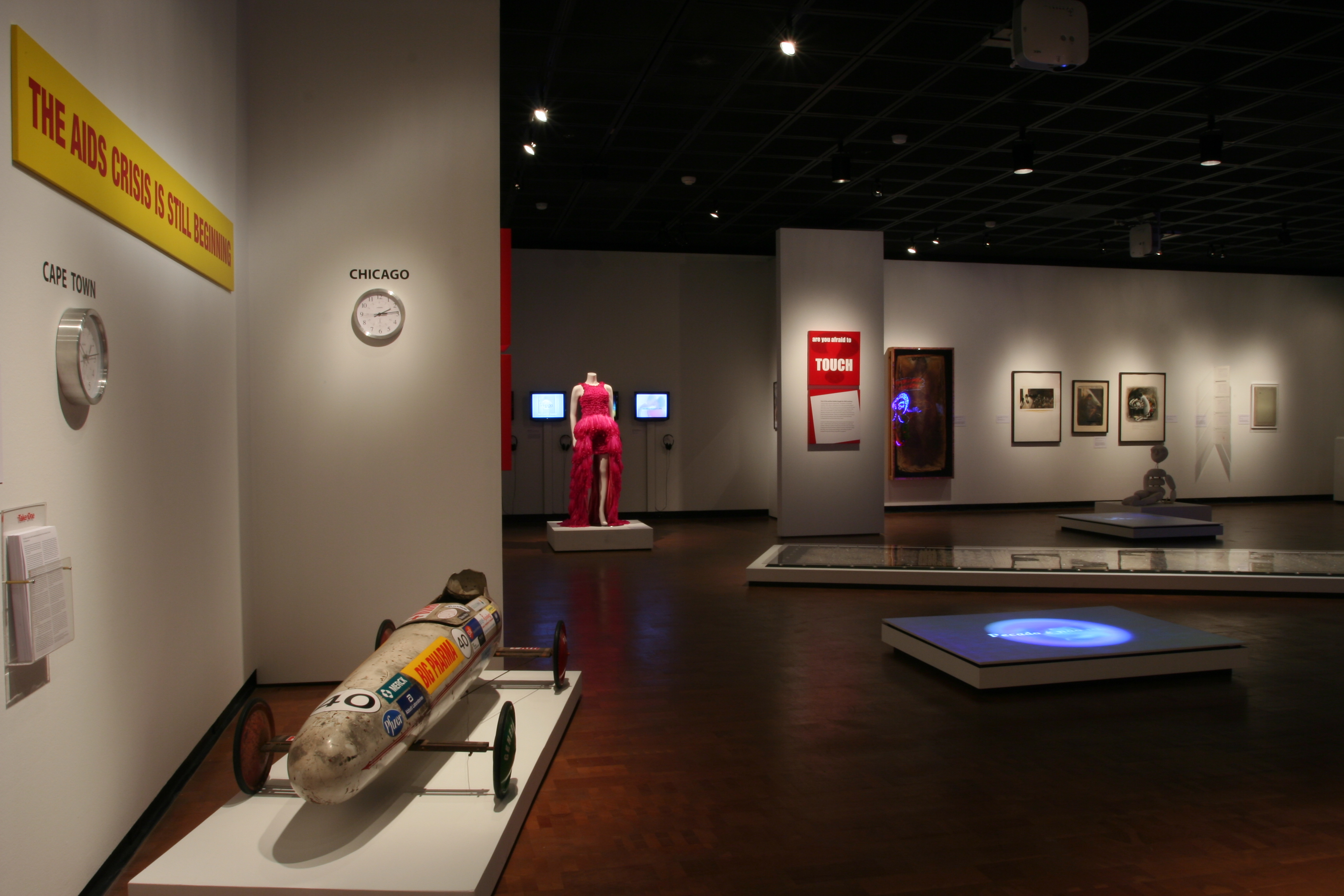
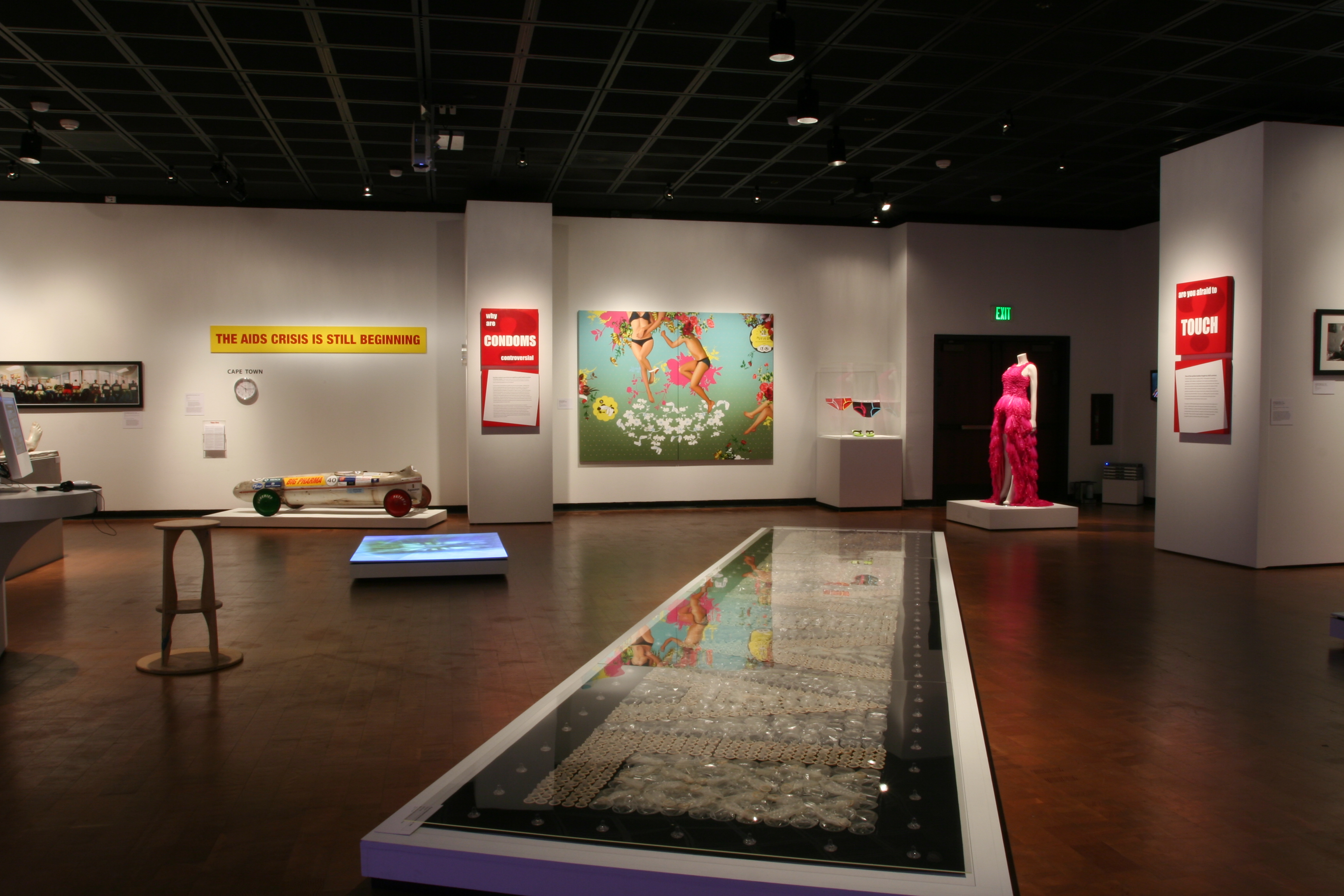
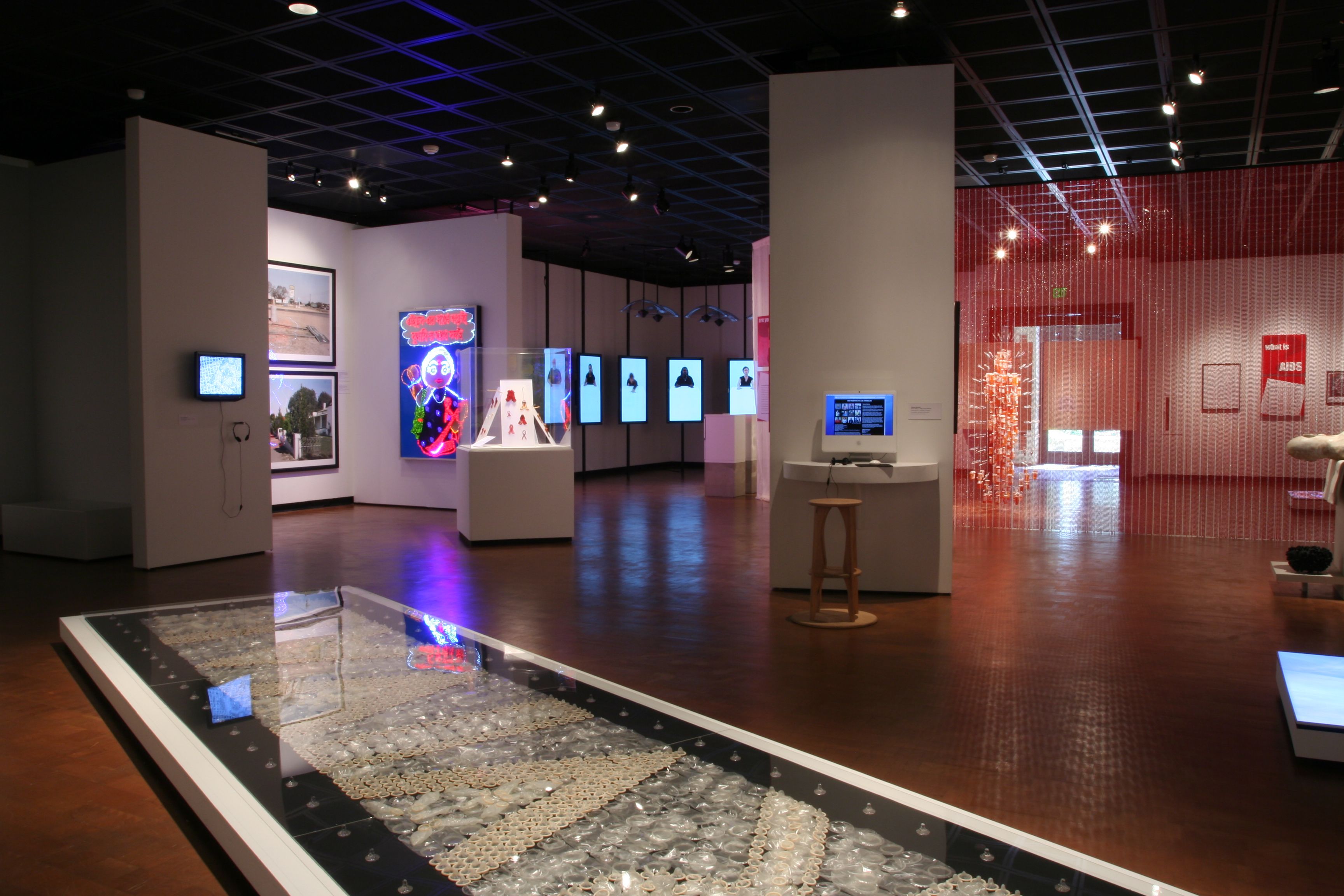
This section examined how artists addressed the political and ethical challenges of treatment. Gregg Bordowitz’s installation Drive (2003), which included a line of clocks and the statement “The Aids Crisis is Still Beginning,” connected the epidemics in the United States and South Africa. Daniel Goldstein and John Kapellas’s glittering, life-size mobile Medicine Man (2007), made from hundreds of pill bottles and needles, addressed unequal access to lifesaving medications. Photographs by Pieter Hugo and David Wojnarowicz confronted deaths caused by AIDS.
Why Are Condoms Controversial?
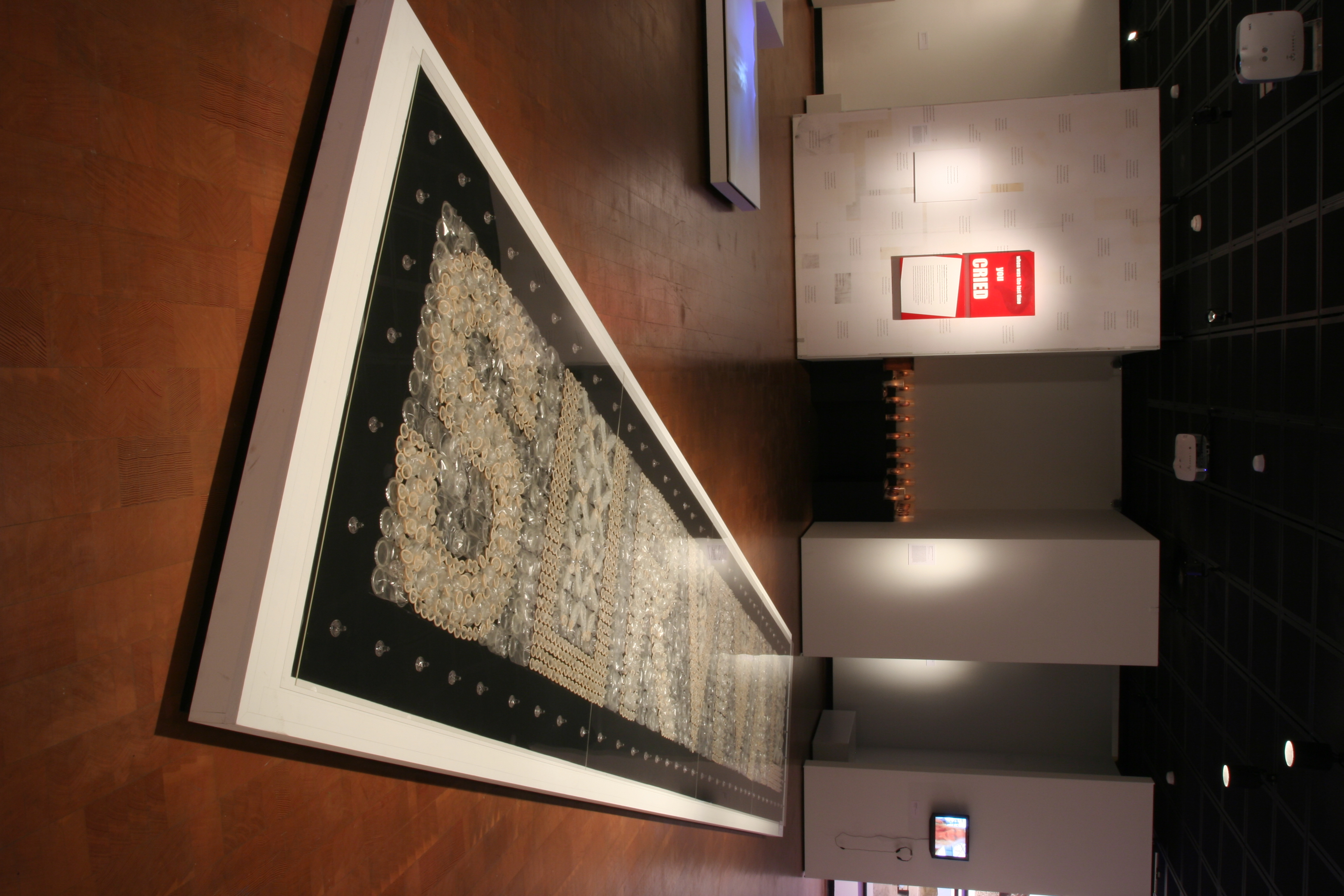
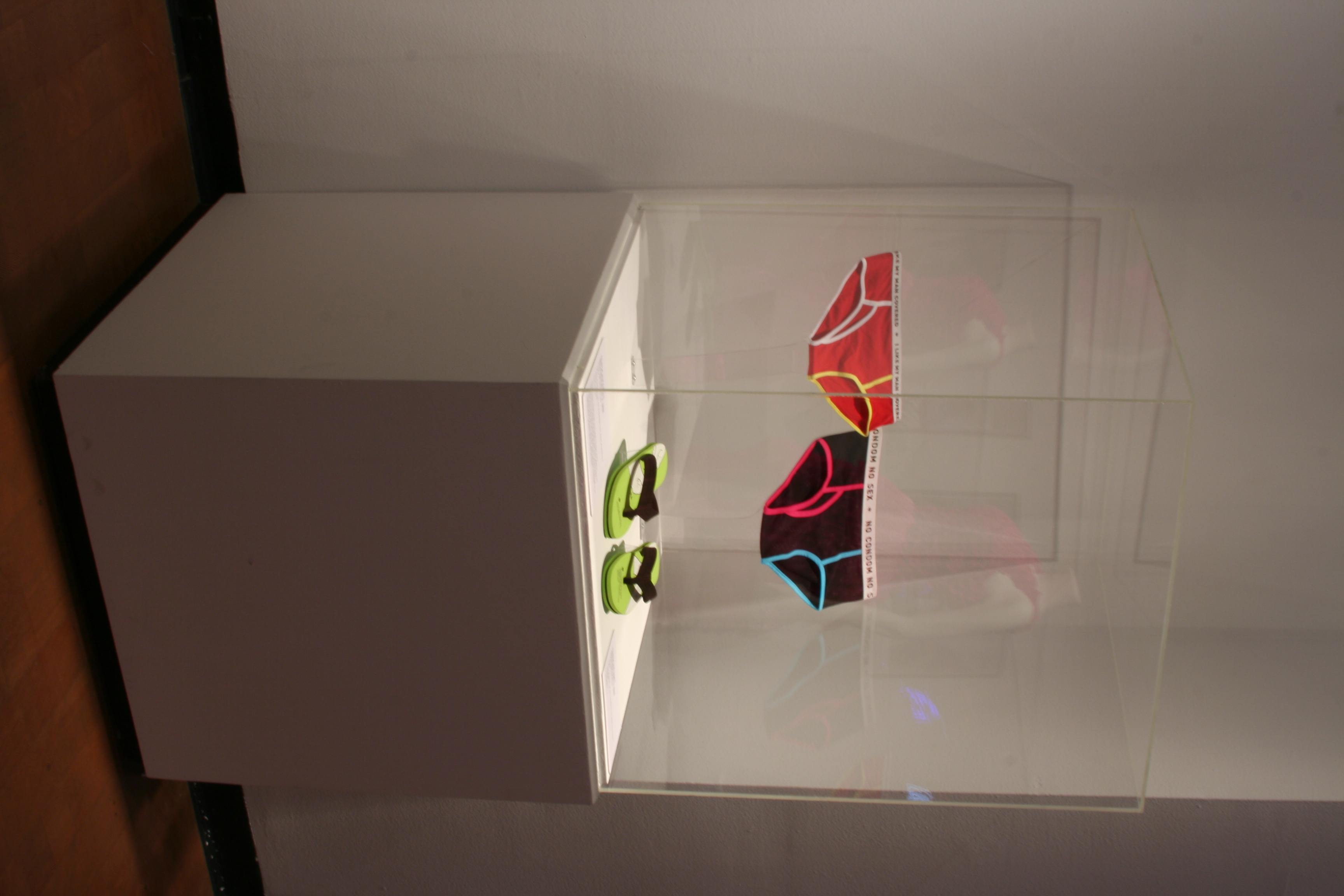
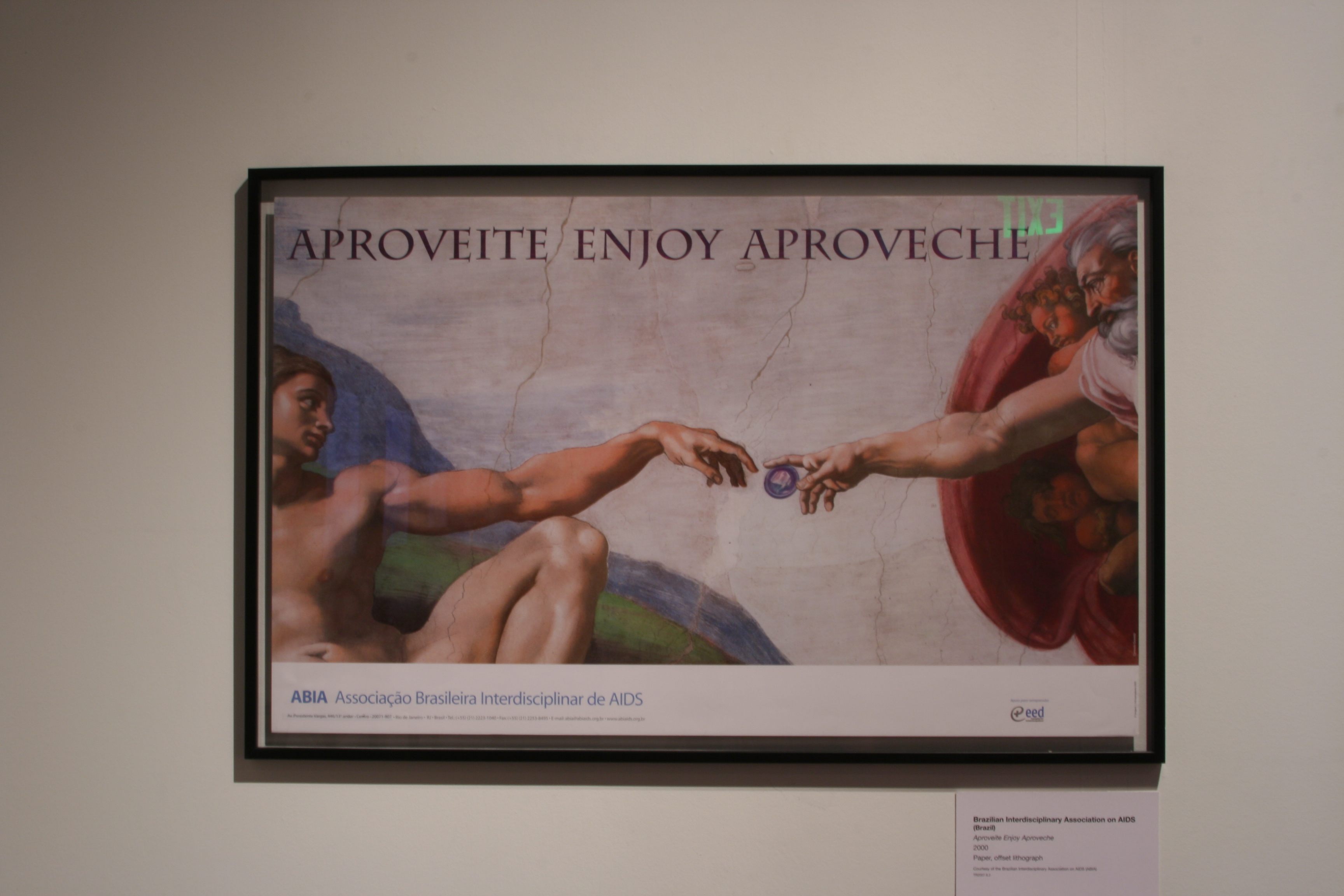
When used correctly and consistently, condoms reduce the risk of transmitting HIV and other sexually transmitted infections. Yet governments and religious institutions have sometimes opposed condom use or spread misinformation about it. In Mozambique, for example, a Roman Catholic archbishop accused European manufacturers of deliberately infecting condoms with HIV. This section asked why the latex condom—an important public-health tool—had become so contentious.
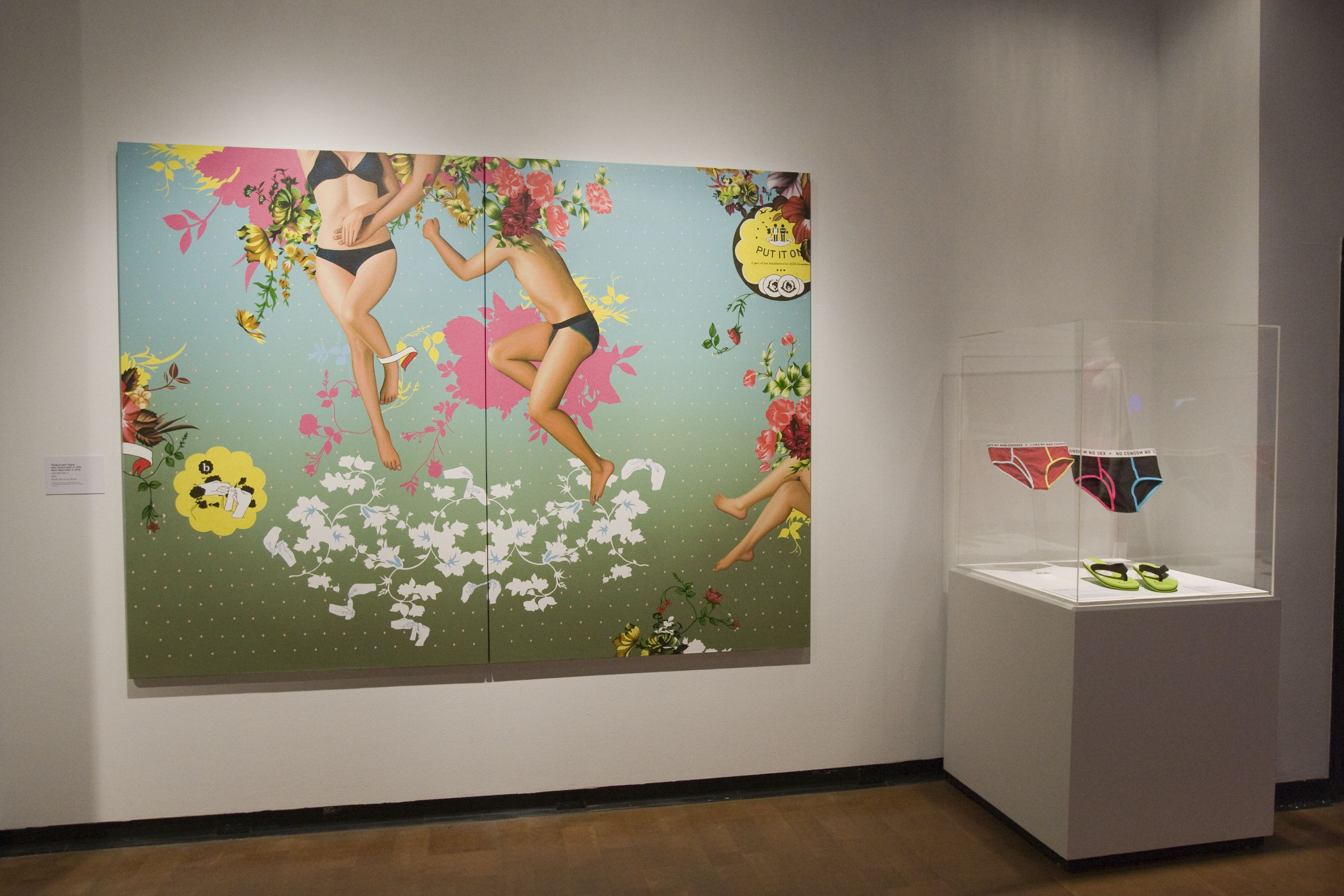
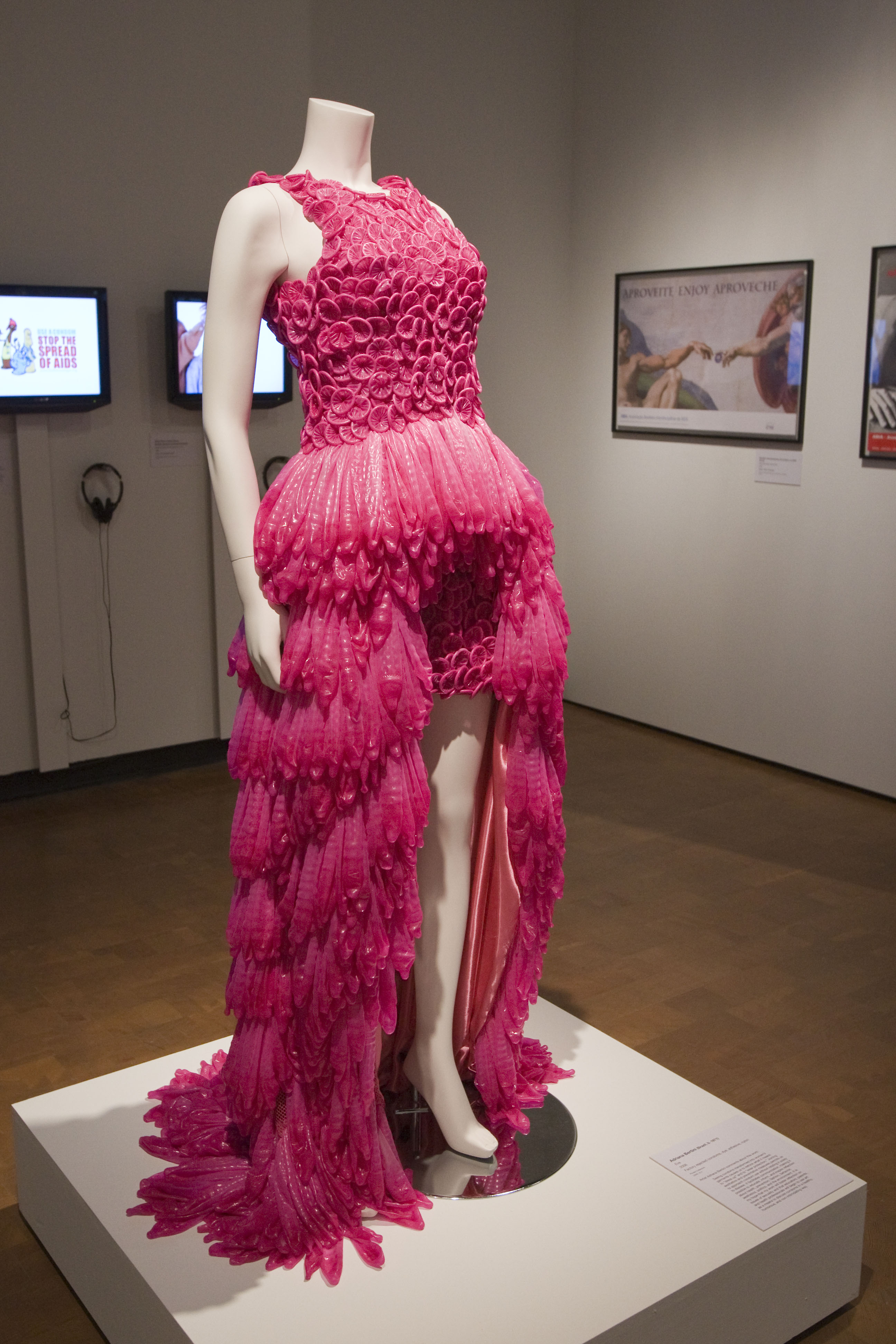
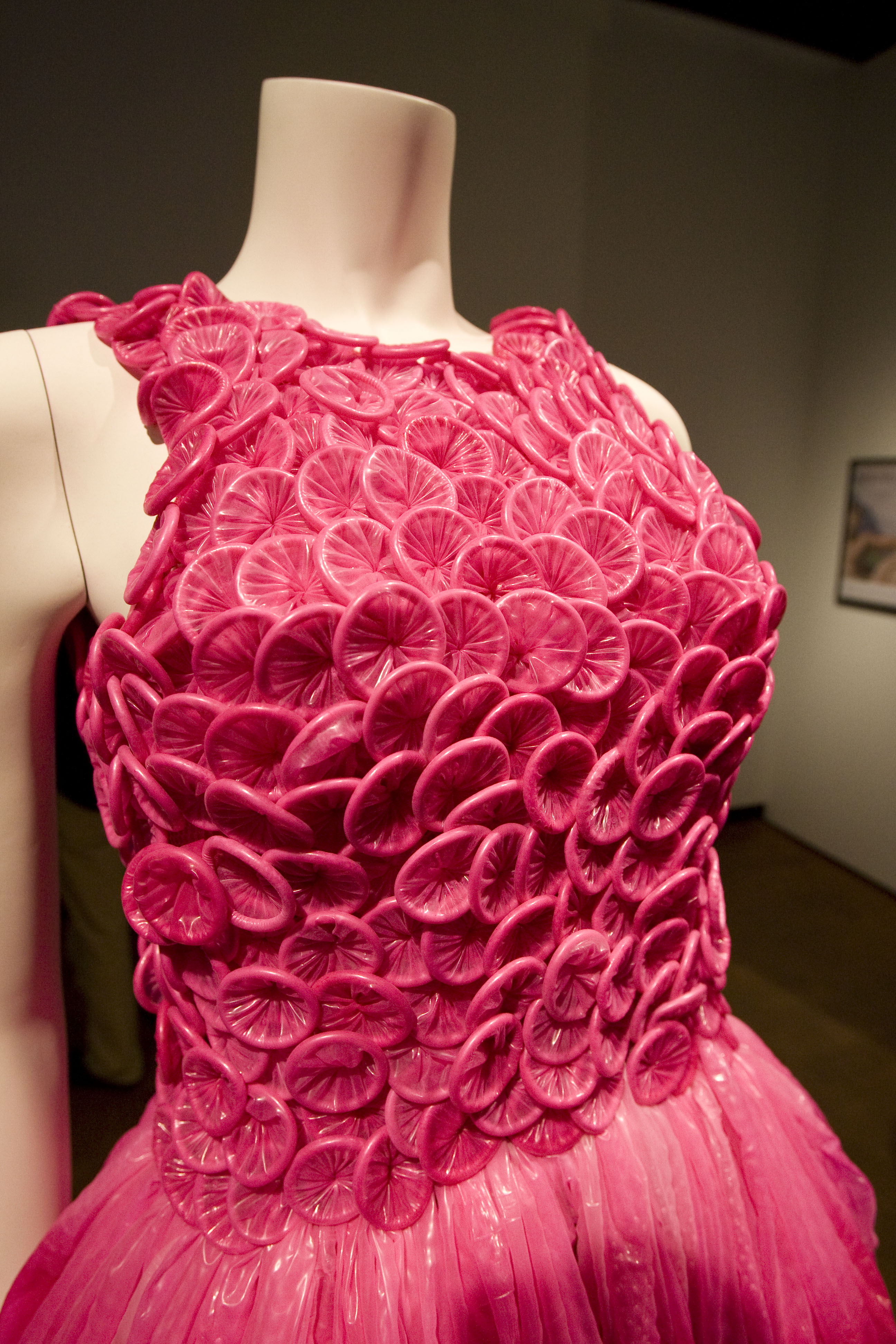
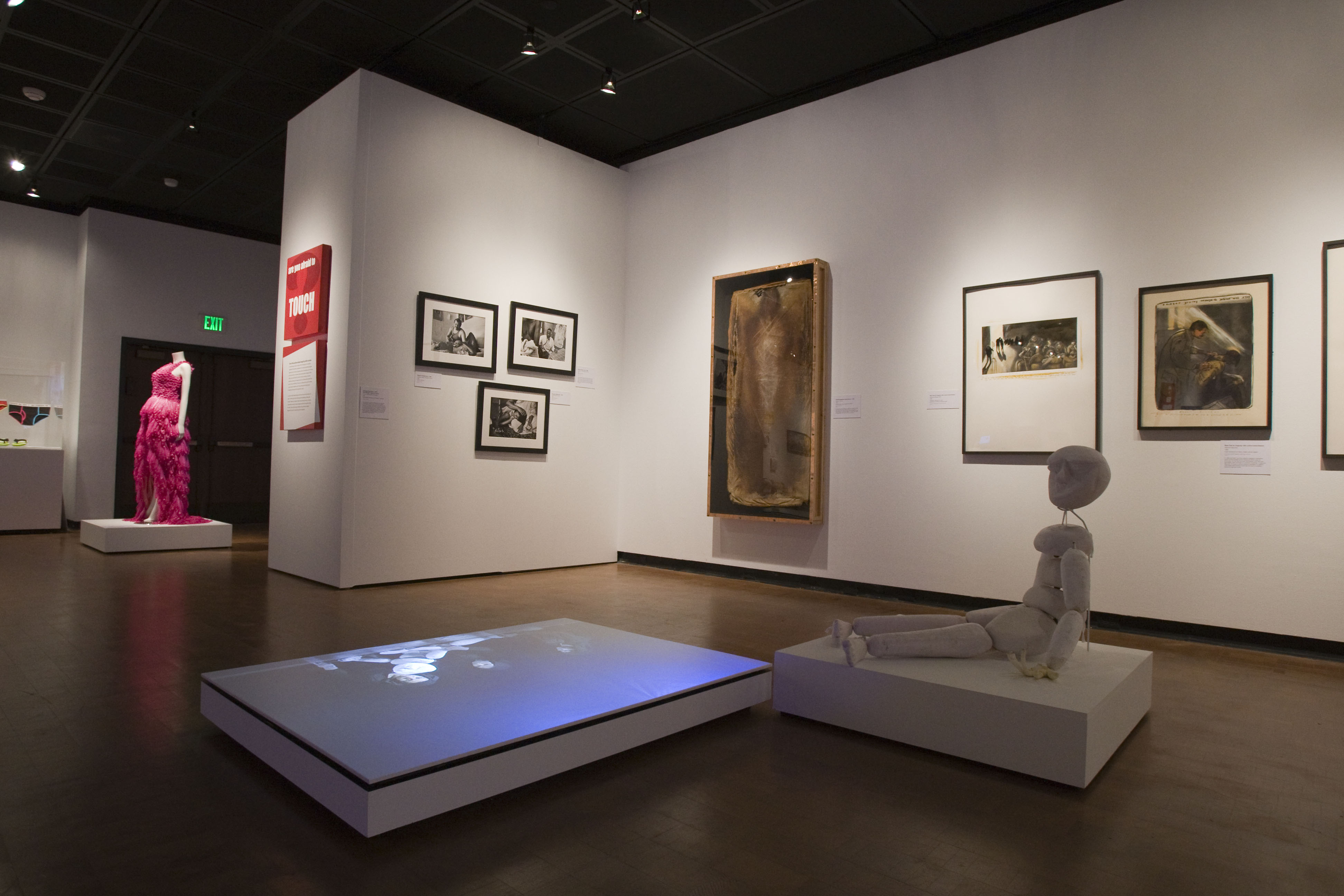
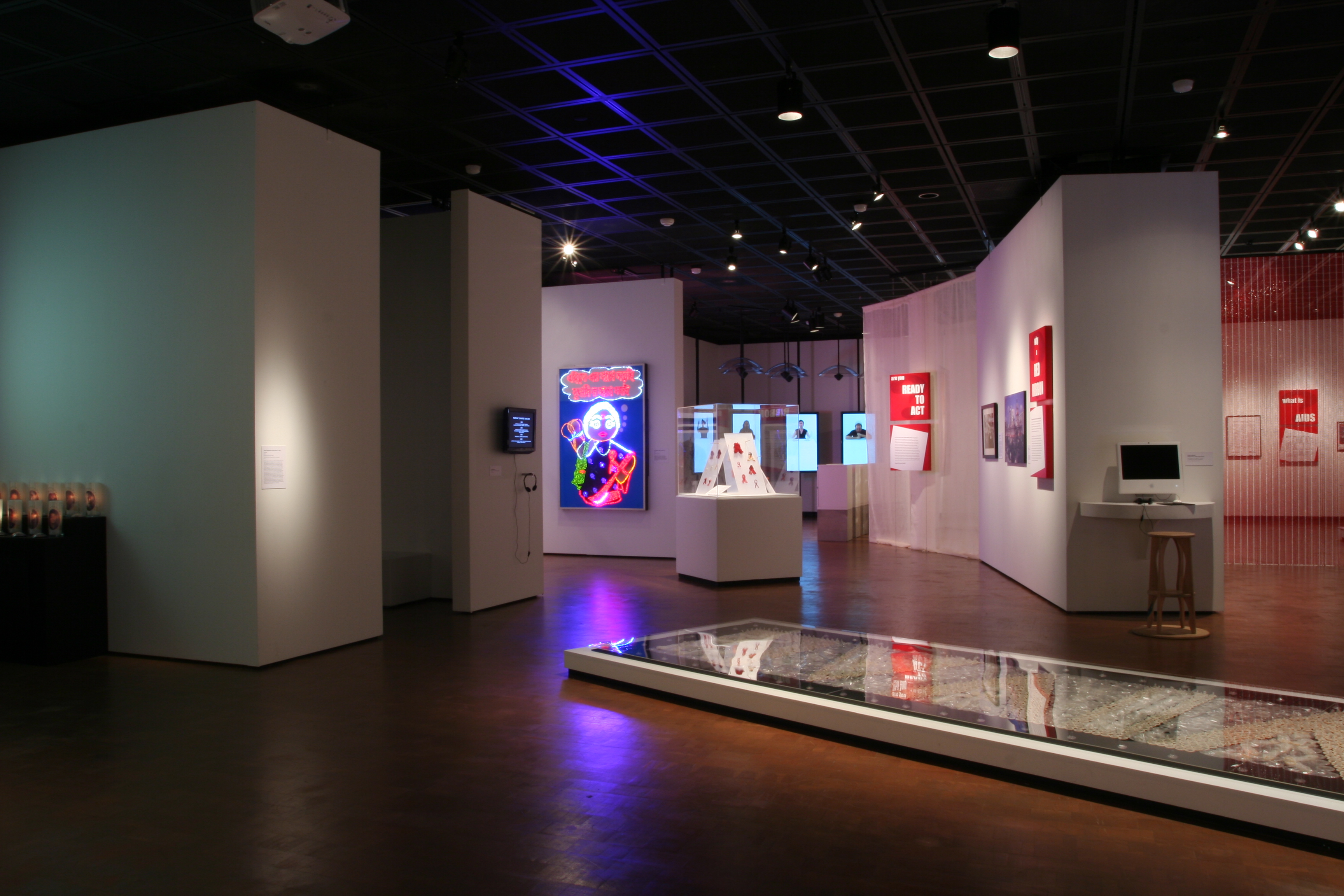
Brazilian artist Adriana Bertini’s vivid pink dress made from thousands of condoms was displayed alongside Fiona Kirkwood’s 24-foot installation of men’s and women’s condoms spelling “Survival.” Both works promoted condom use and encouraged discussion of subjects that might otherwise remain taboo. Other works, including the short video Perdão (Forgiveness) by Grupo Gay da Bahia, examined how moral dogma could restrict access to information and products that protect people’s health.
Are You Afraid to Touch?
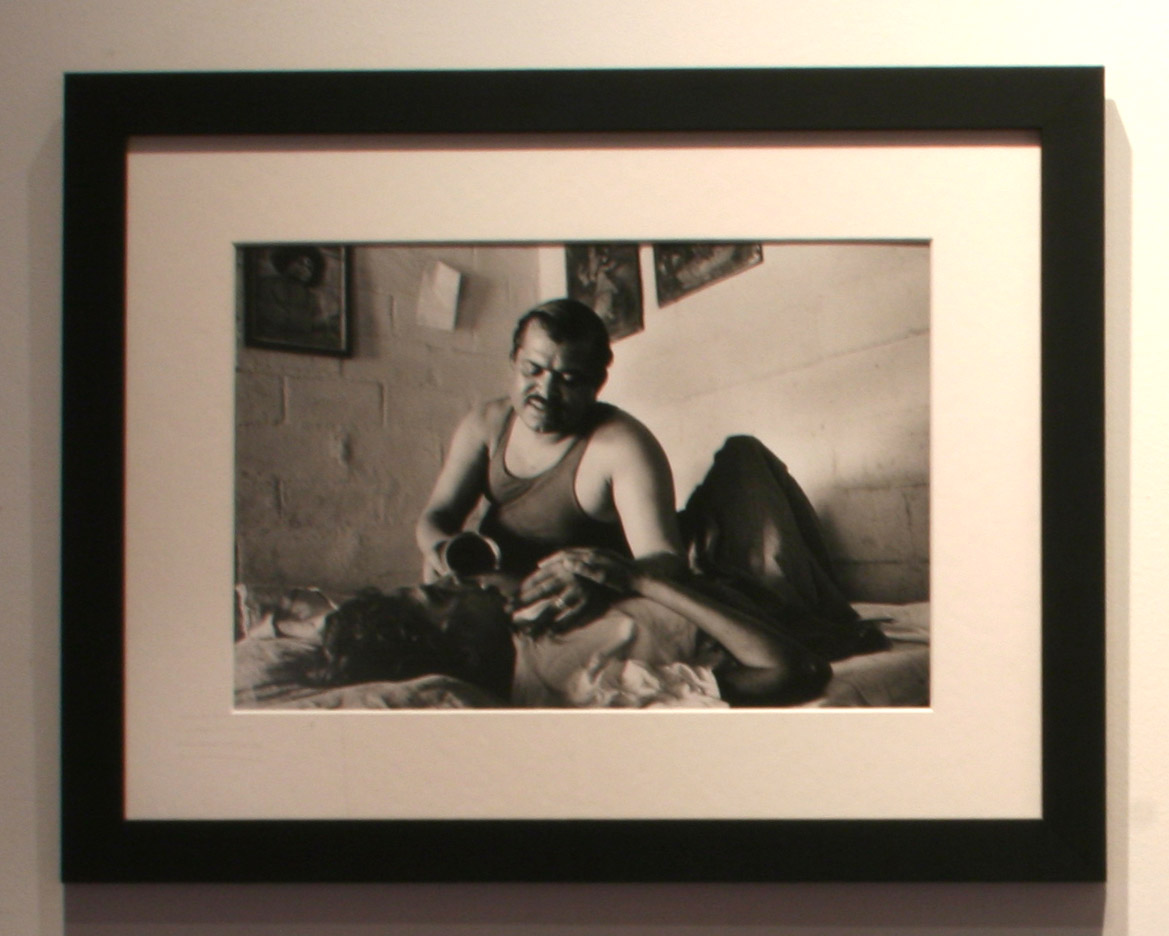
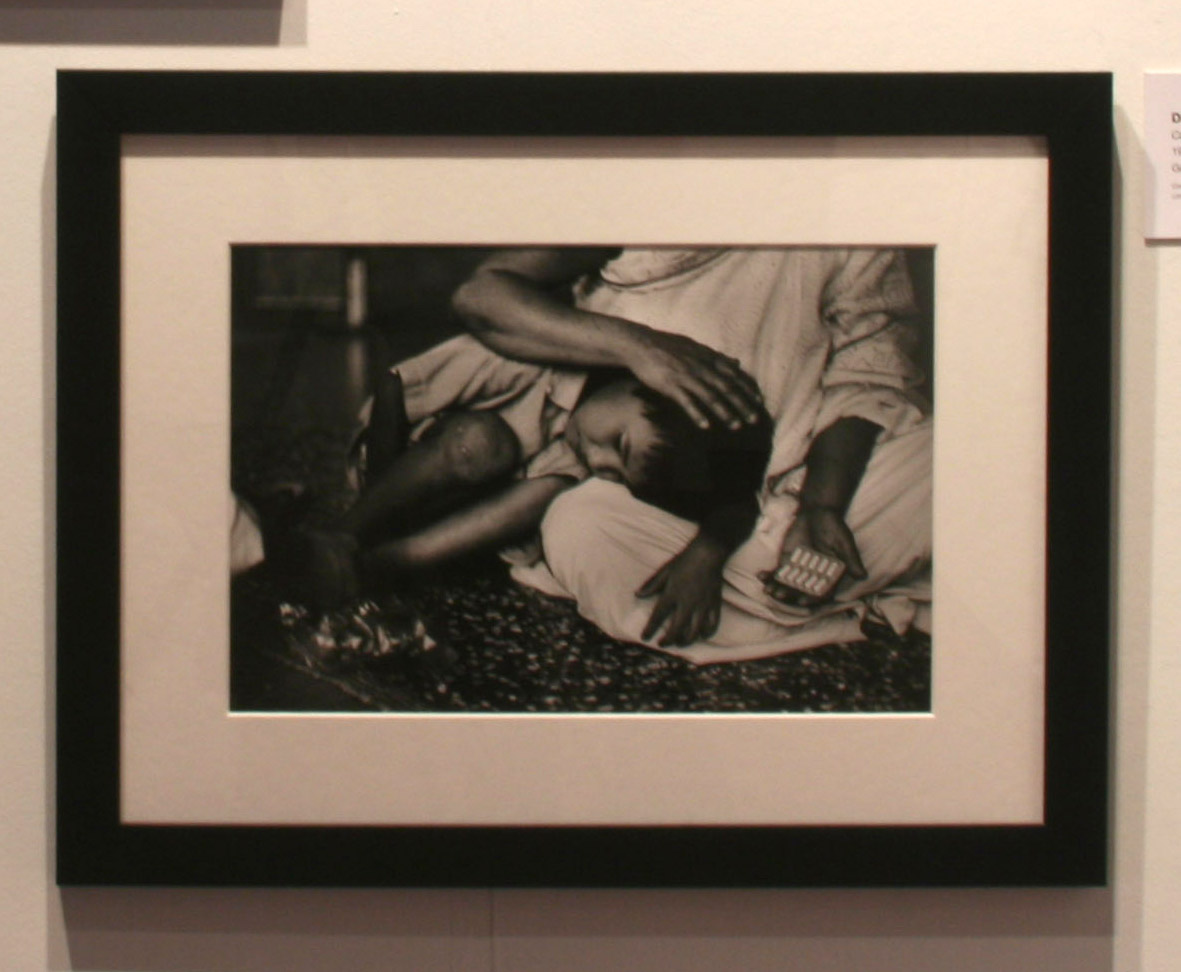
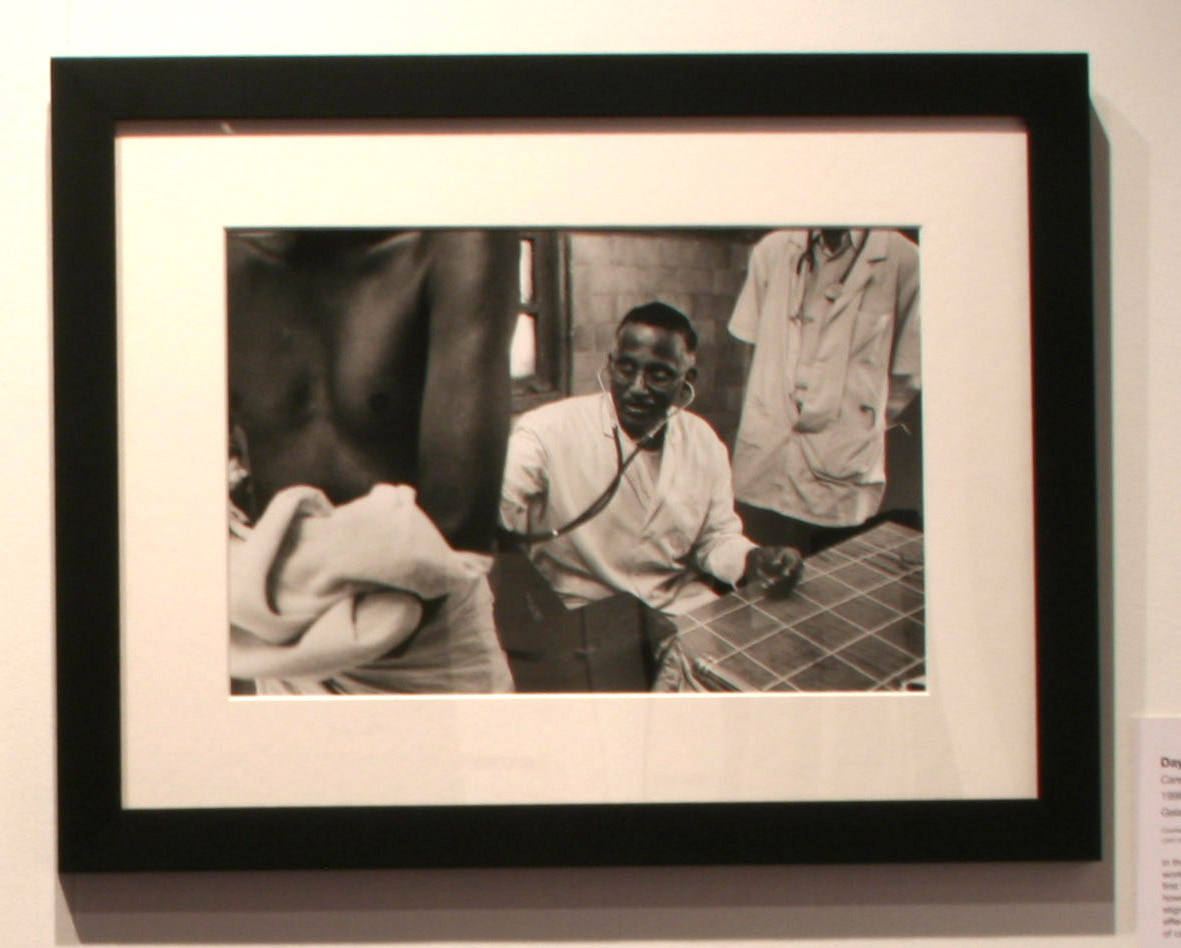
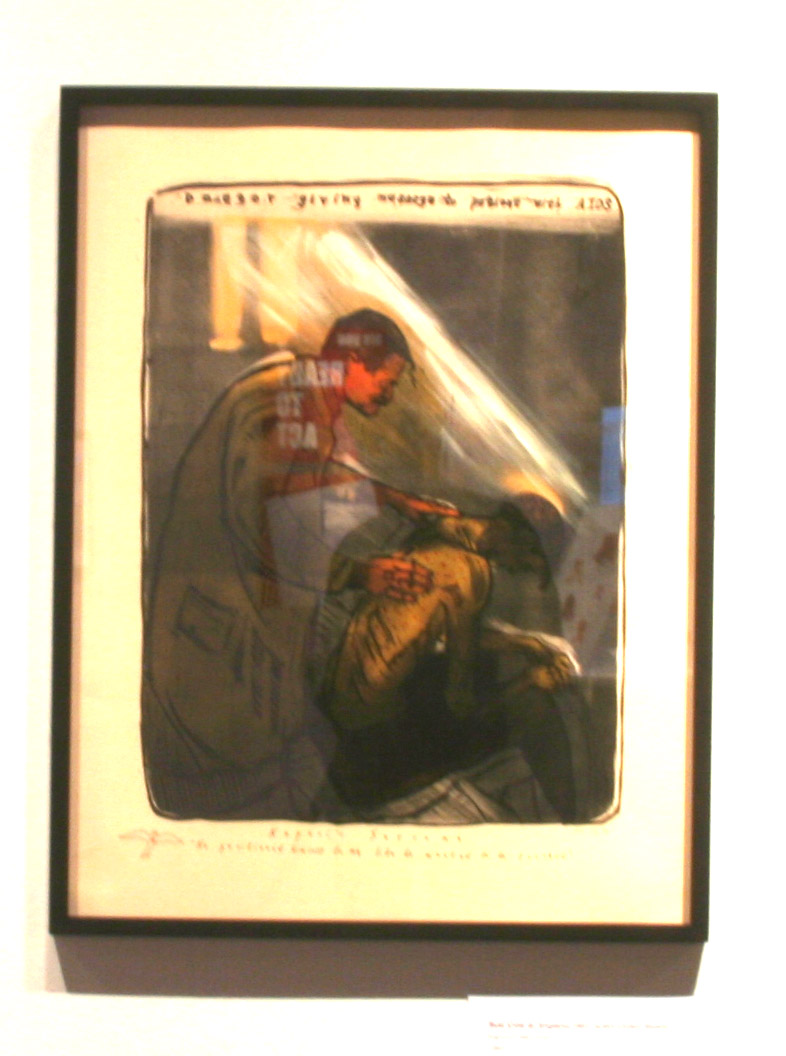
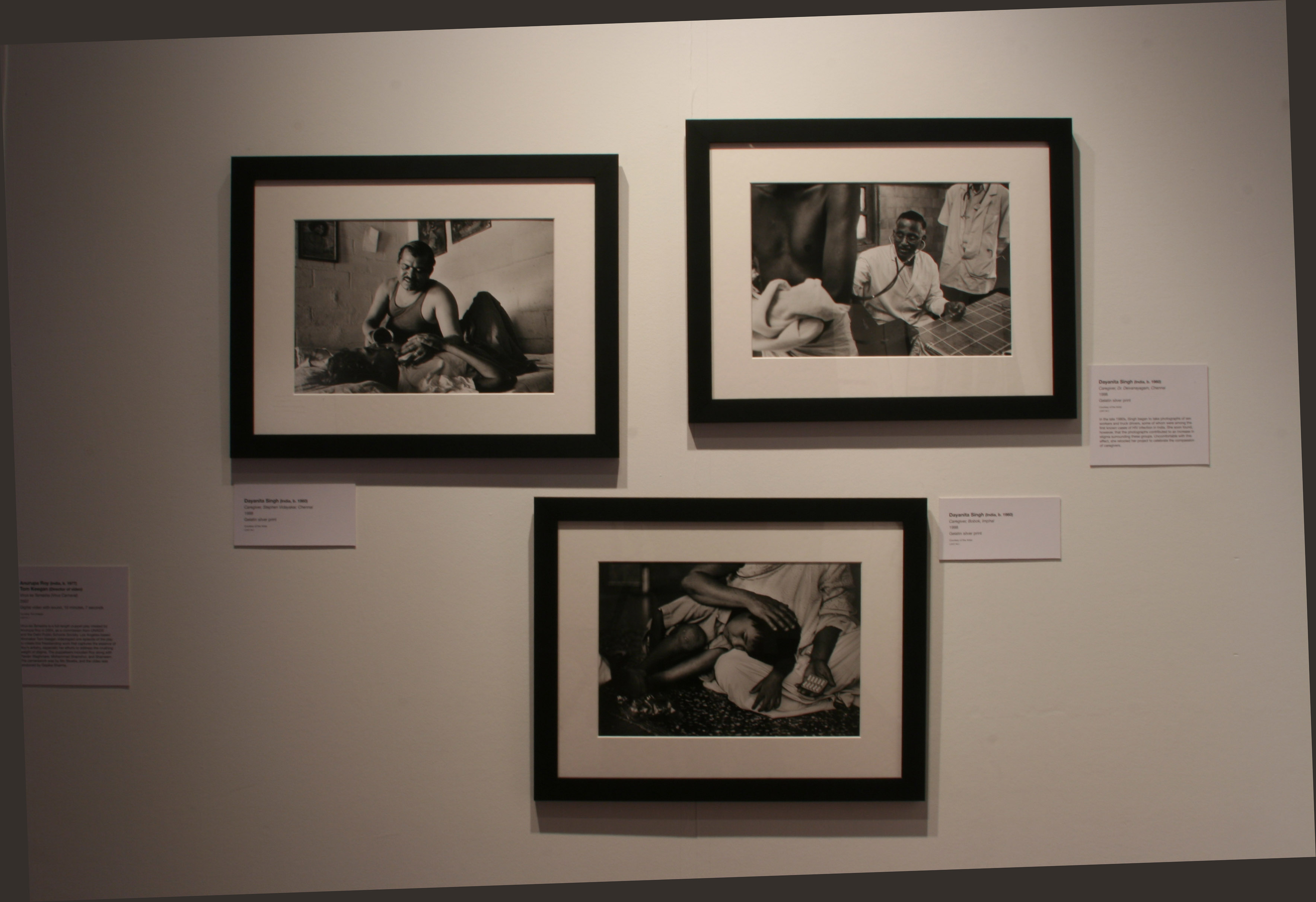
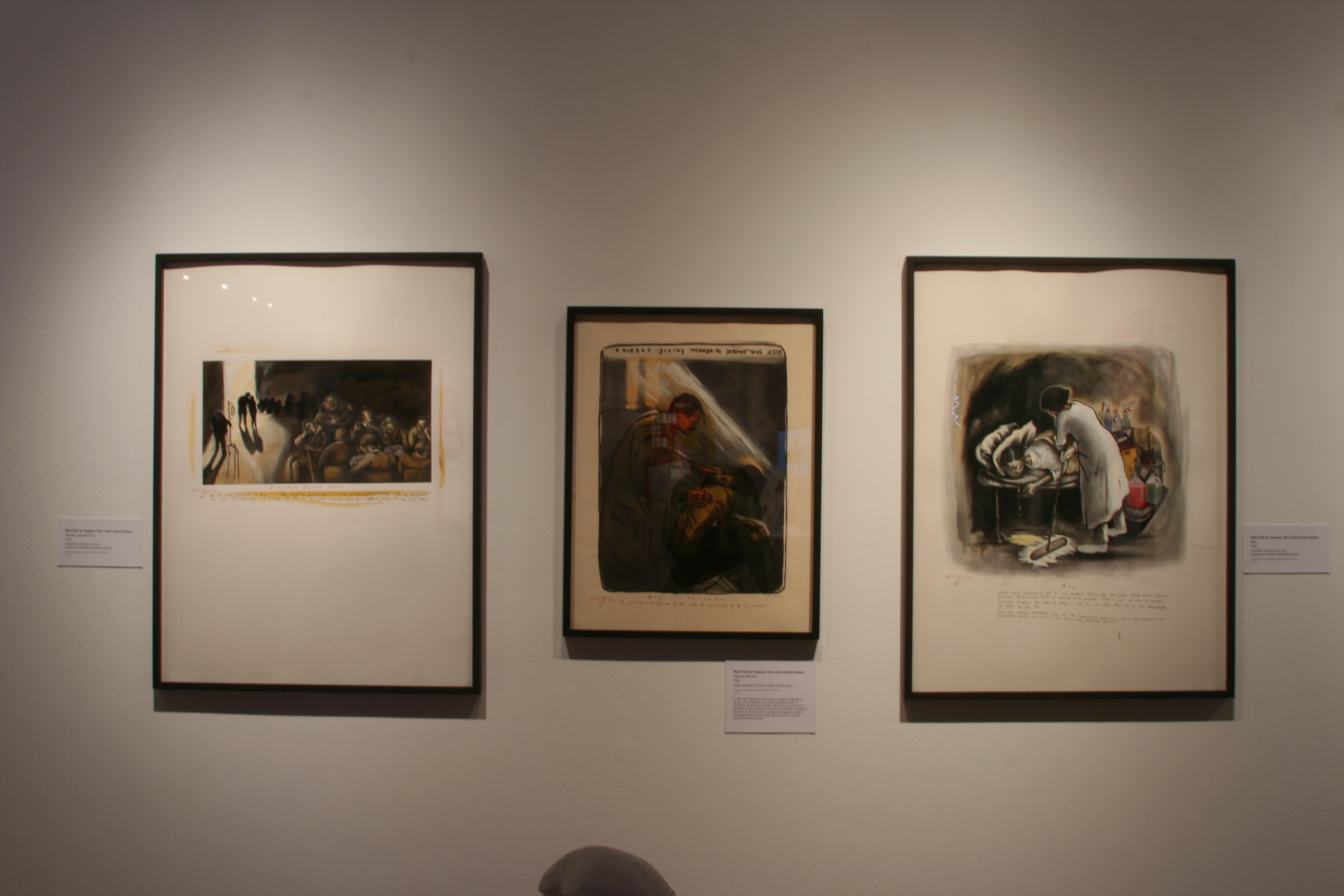
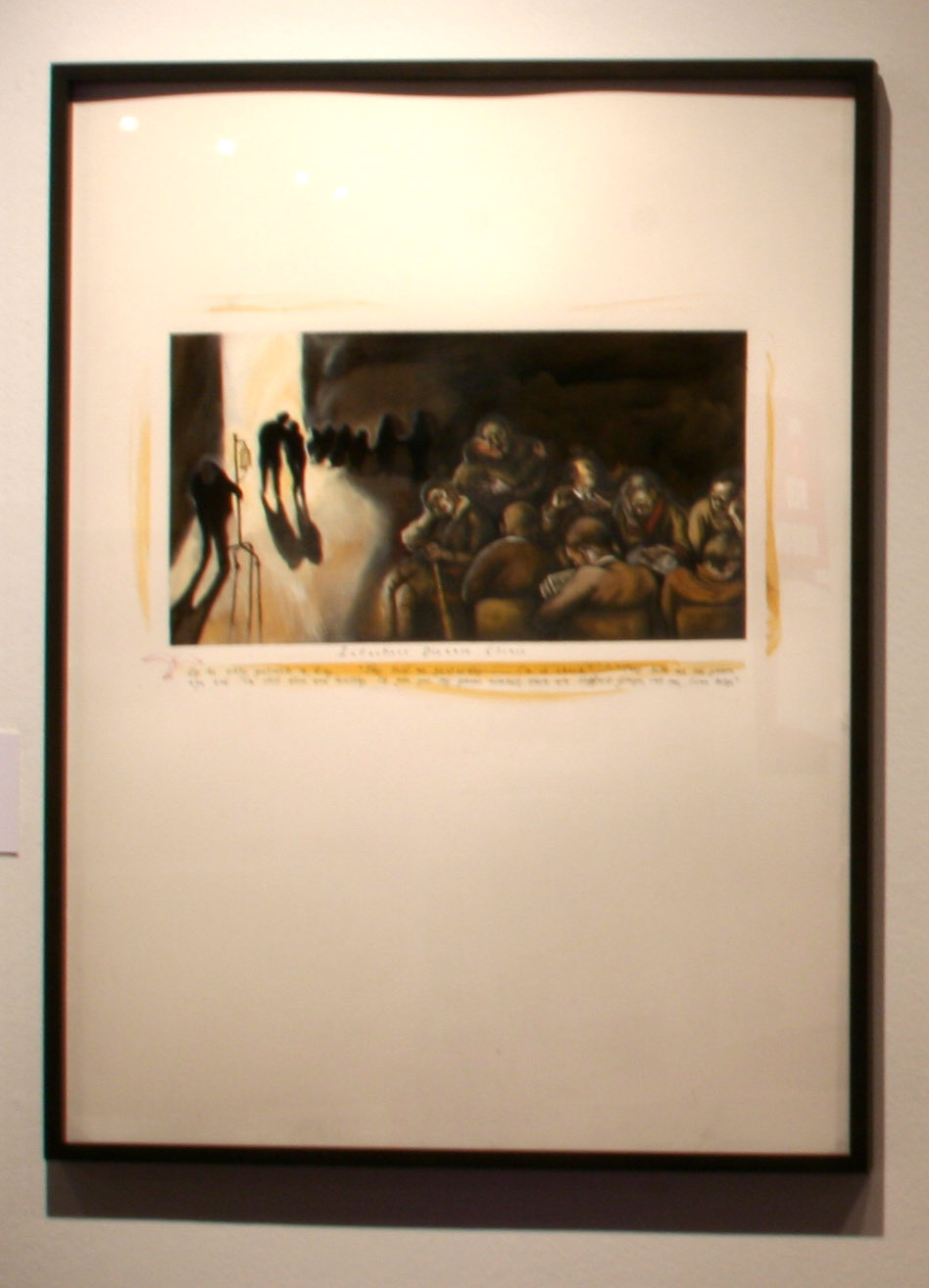
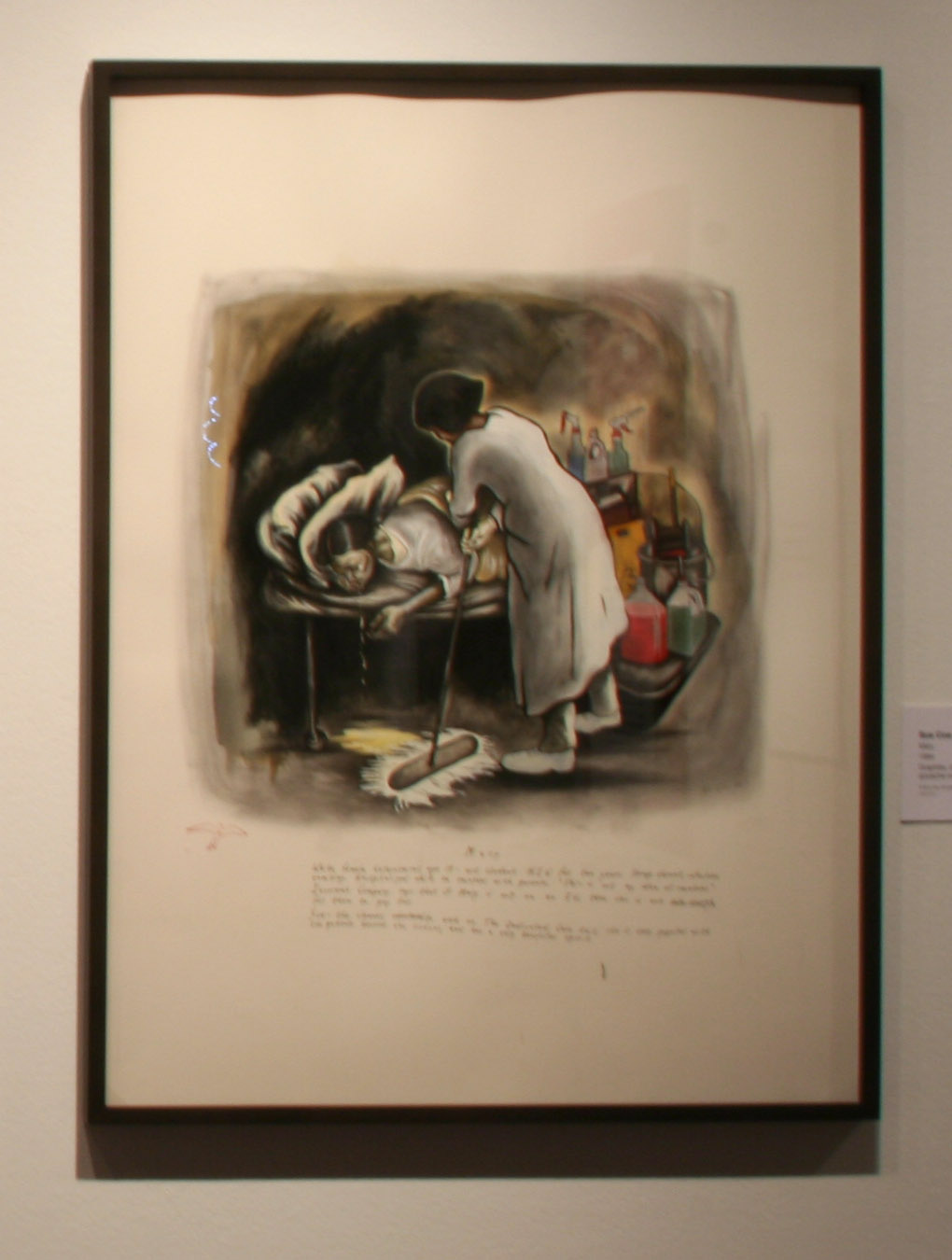
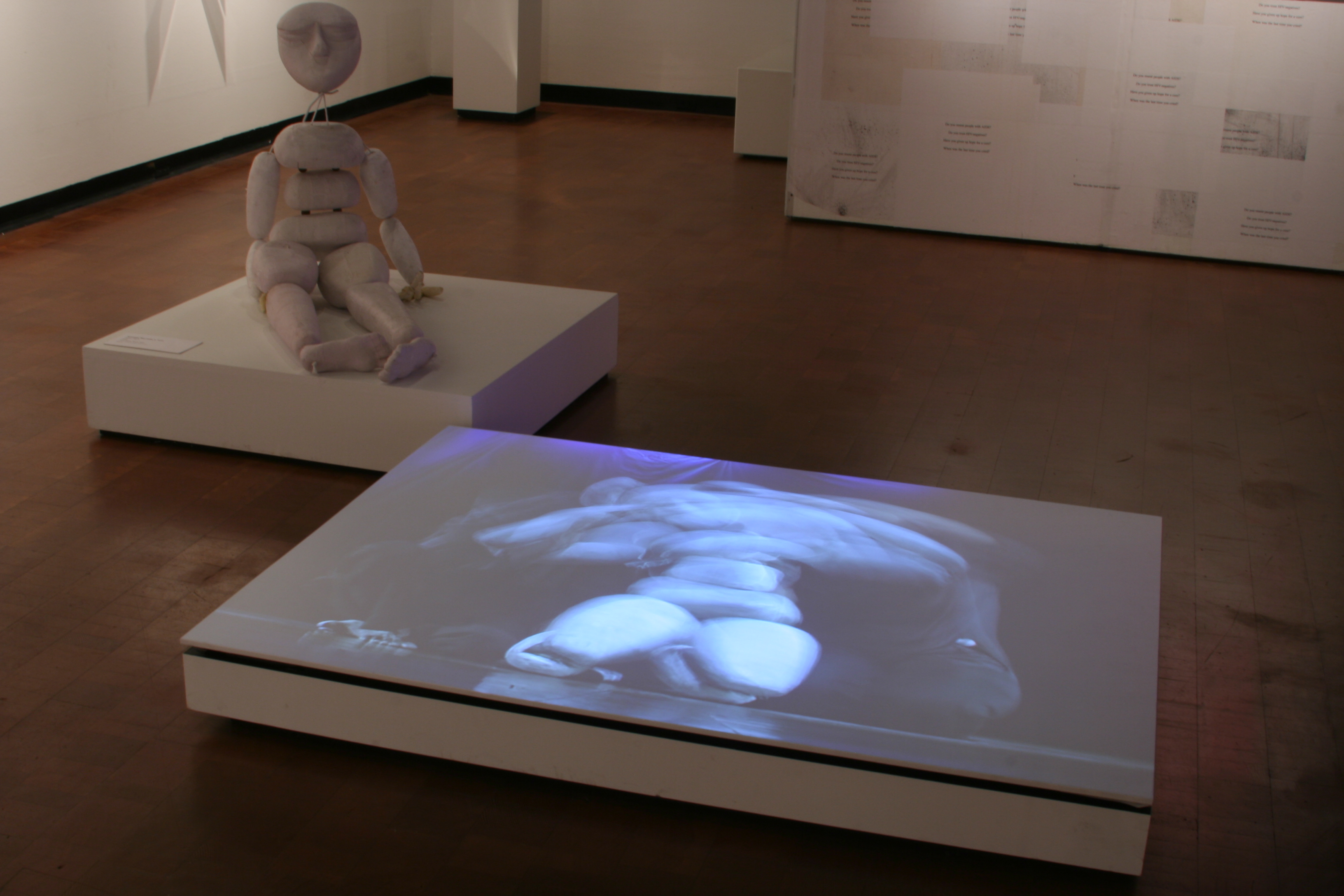
Responding to AIDS-related stigma, Indian photographer Dayanita Singh and American artist Sue Coe addressed the simple act of touching, emphasizing that HIV is not transmitted through hugs or handshakes. Artists working across several media presented compassionate encounters between caregivers and people living with HIV or approaching death from AIDS-related causes. Performances by Indian artist and AIDS activist Anurupa Roy used puppetry to explore AIDS, touch, and caregiving.
When Was the Last Time You Cried?
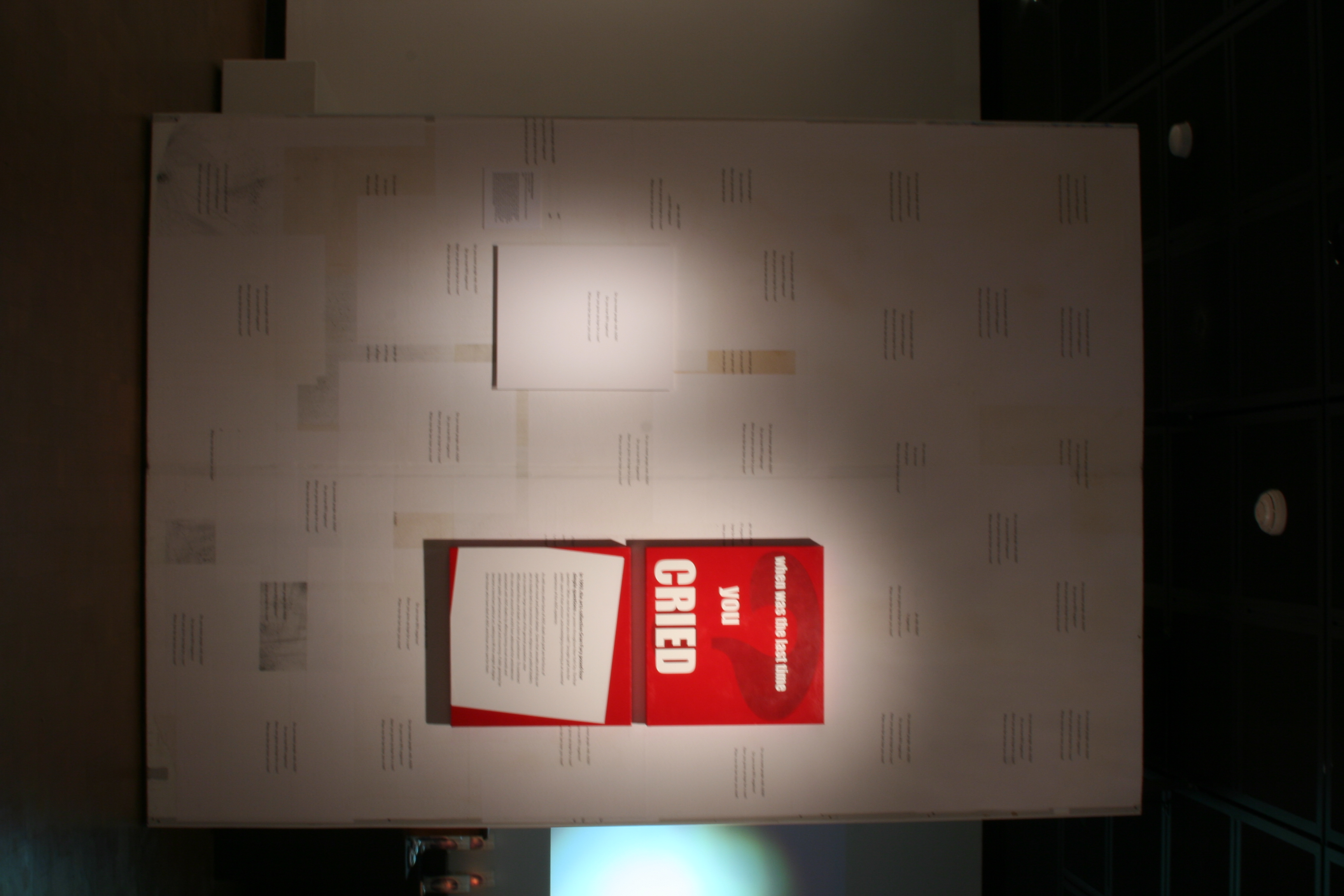
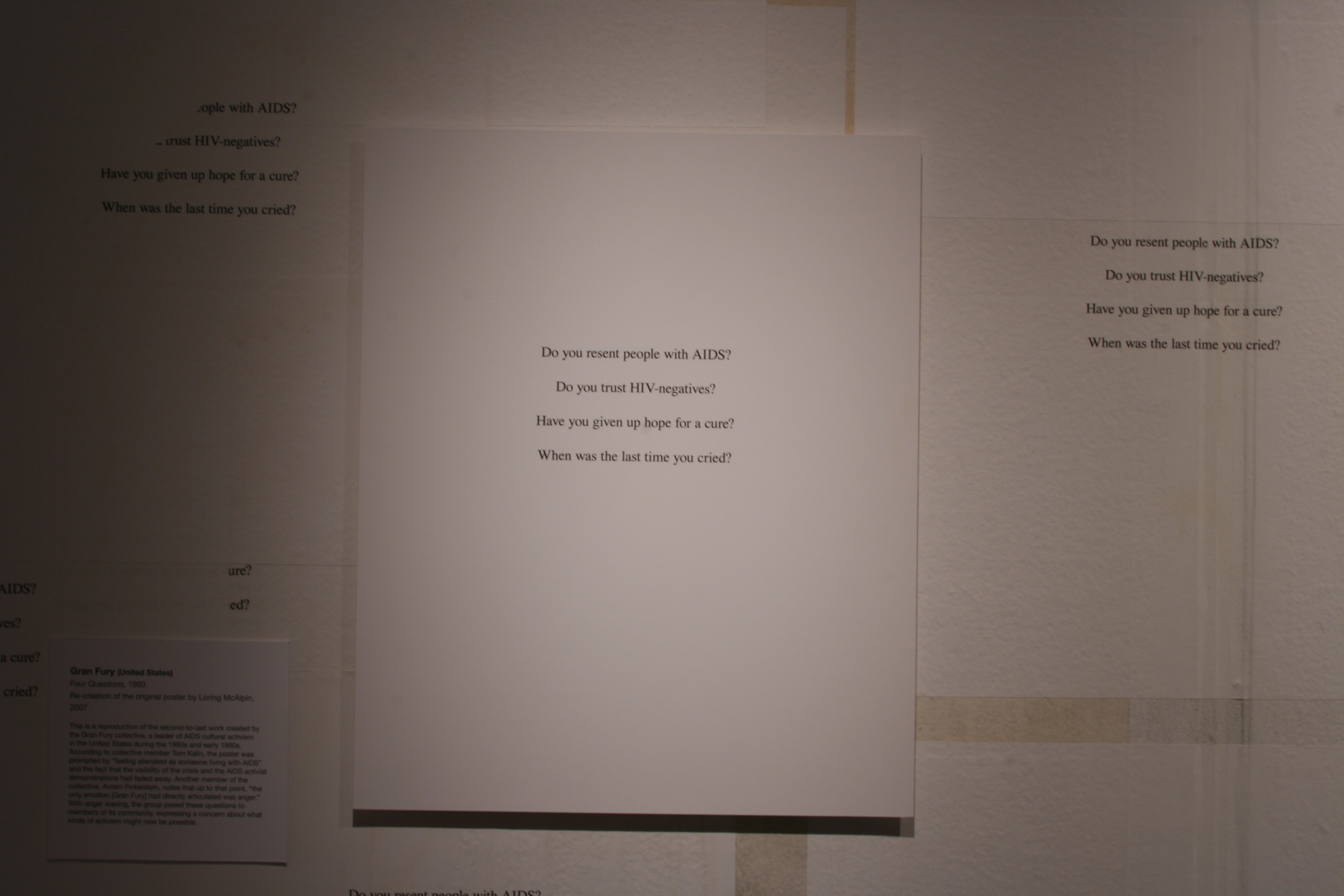
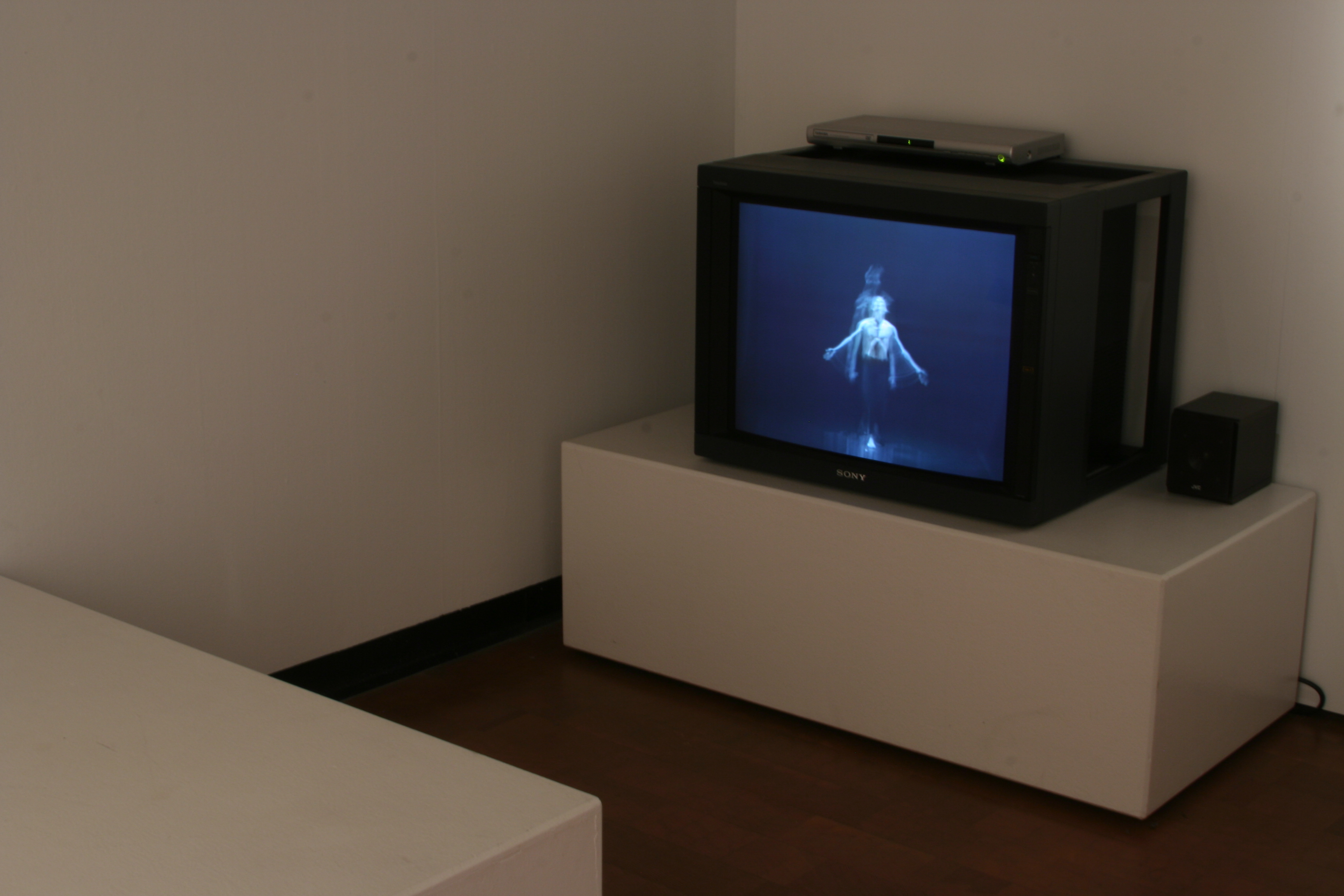
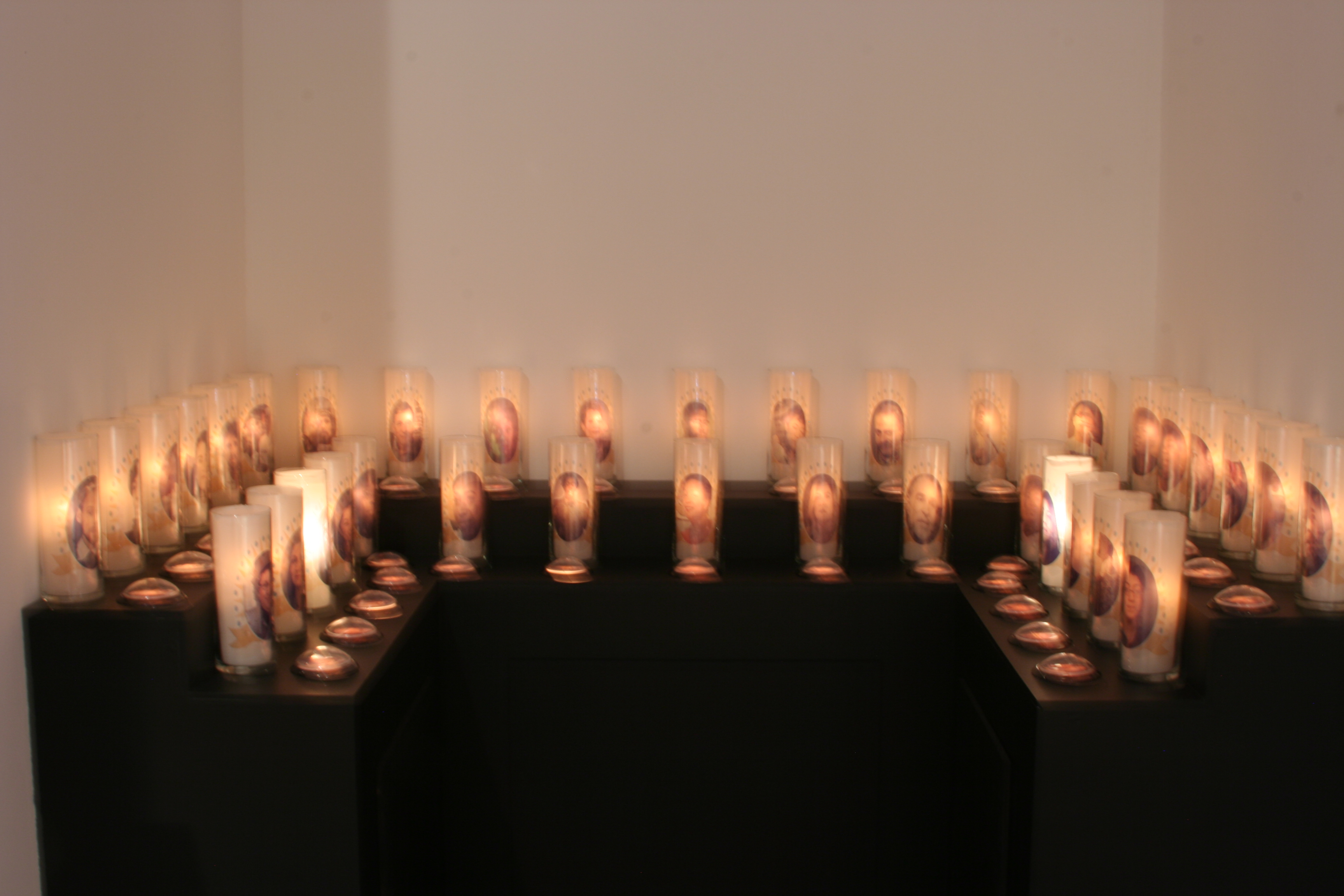
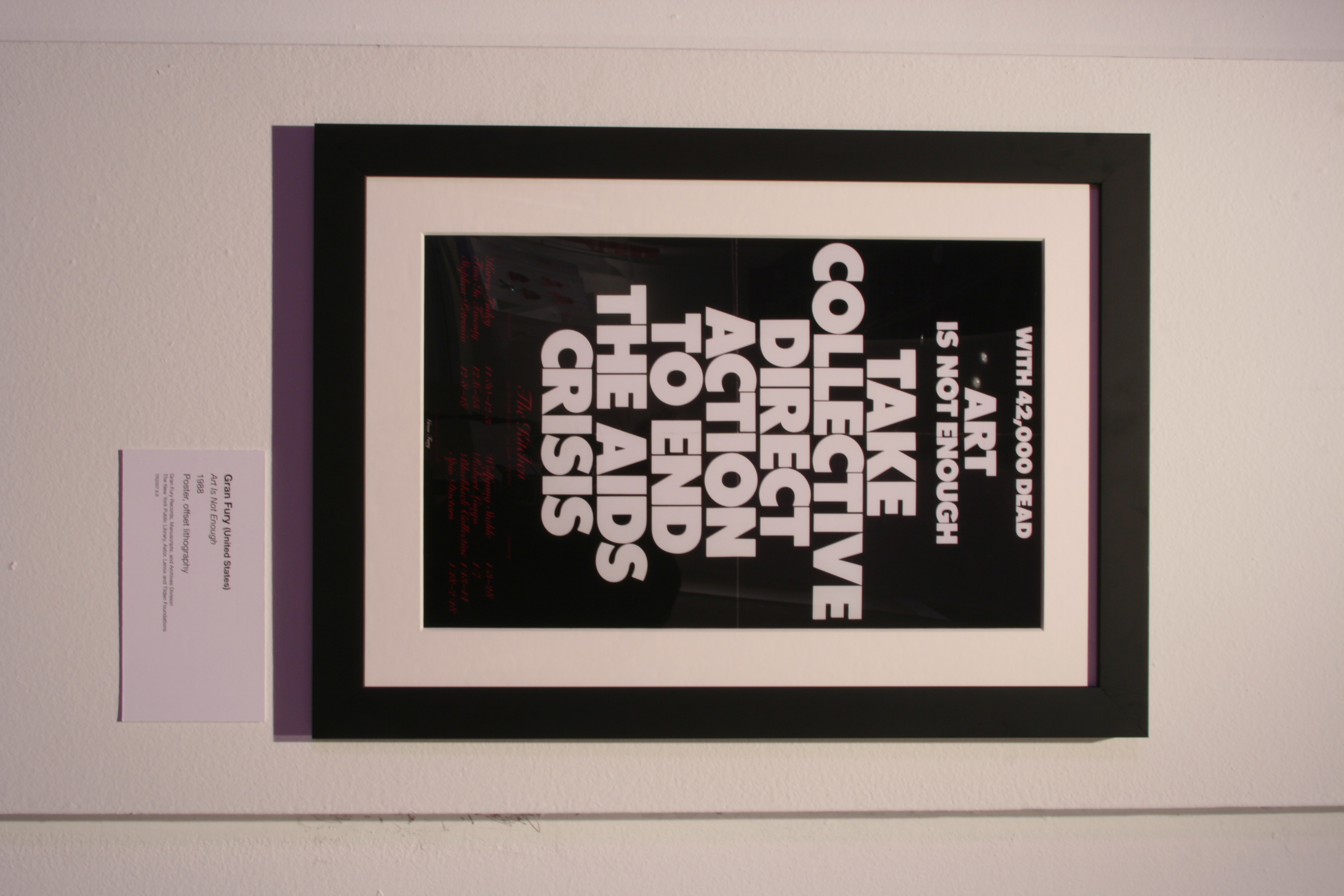
In 1993, the arts collective Gran Fury posed four questions on posters displayed throughout New York City. The final question, “When was the last time you cried?” brought grief into public space and acknowledged mourning as an essential experience of the AIDS epidemic. Because sexuality and drug use are associated with HIV transmission, many people treated AIDS-related illness and death as punishment. Artists challenged that stigma through works such as Jean Carlomusto’s installation The Portrait Gallery of AIDS: A Living Archive (2002), which offered loving visual records, and Tracy Rhoades’s video Requiem, which presented grief and mourning publicly.
Why a Red Ribbon?
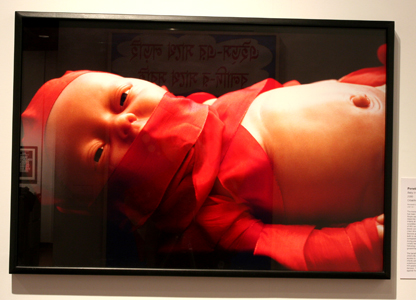
In 1991, the Visual AIDS Artists’ Caucus created the Red Ribbon Project as a symbol of support and compassion for people with AIDS and their caregivers. Inspired by yellow ribbons, the artists selected red for its associations with blood and passion. The ribbon became an internationally recognized symbol of AIDS awareness and activism.
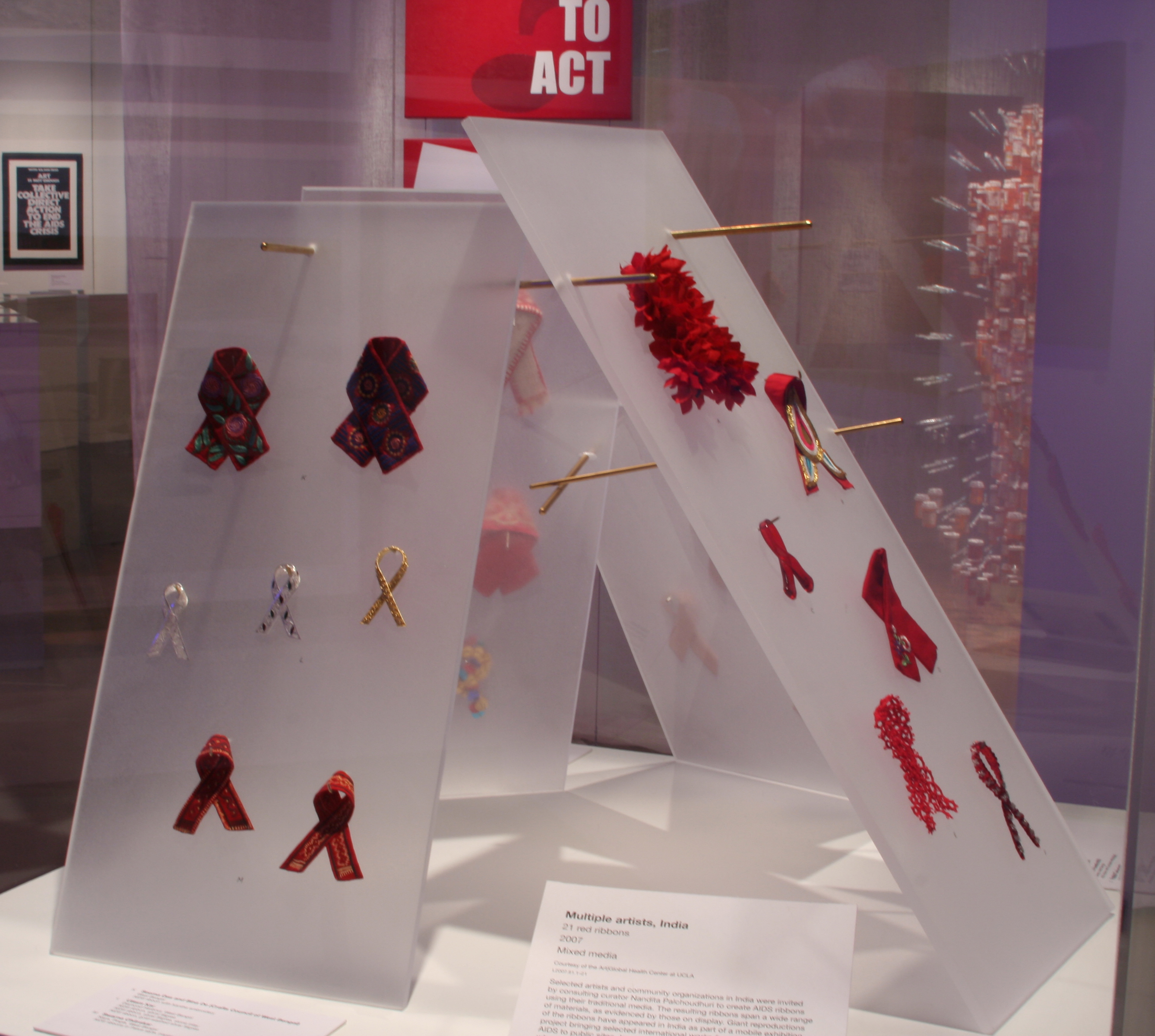
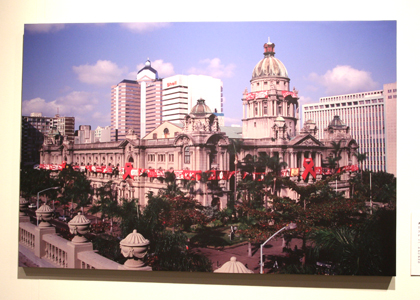
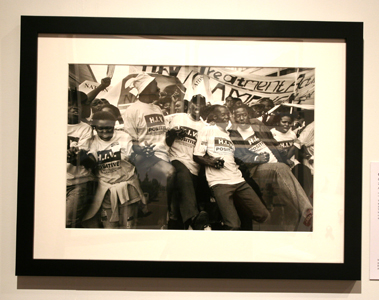
Artists on several continents subsequently examined the tension between the ribbon as a fashion accessory and as an activist symbol, seeking either to renew its meaning or question its use. This section included a photograph of community artists in Durban, South Africa, wrapping a civic building in a massive red ribbon to demand government action. David Goldblatt’s photographs of faded and tattered ribbons underscored unfulfilled promises to respond to the epidemic. Artists in India reinterpreted the ribbon in materials ranging from gold and silver to terracotta.
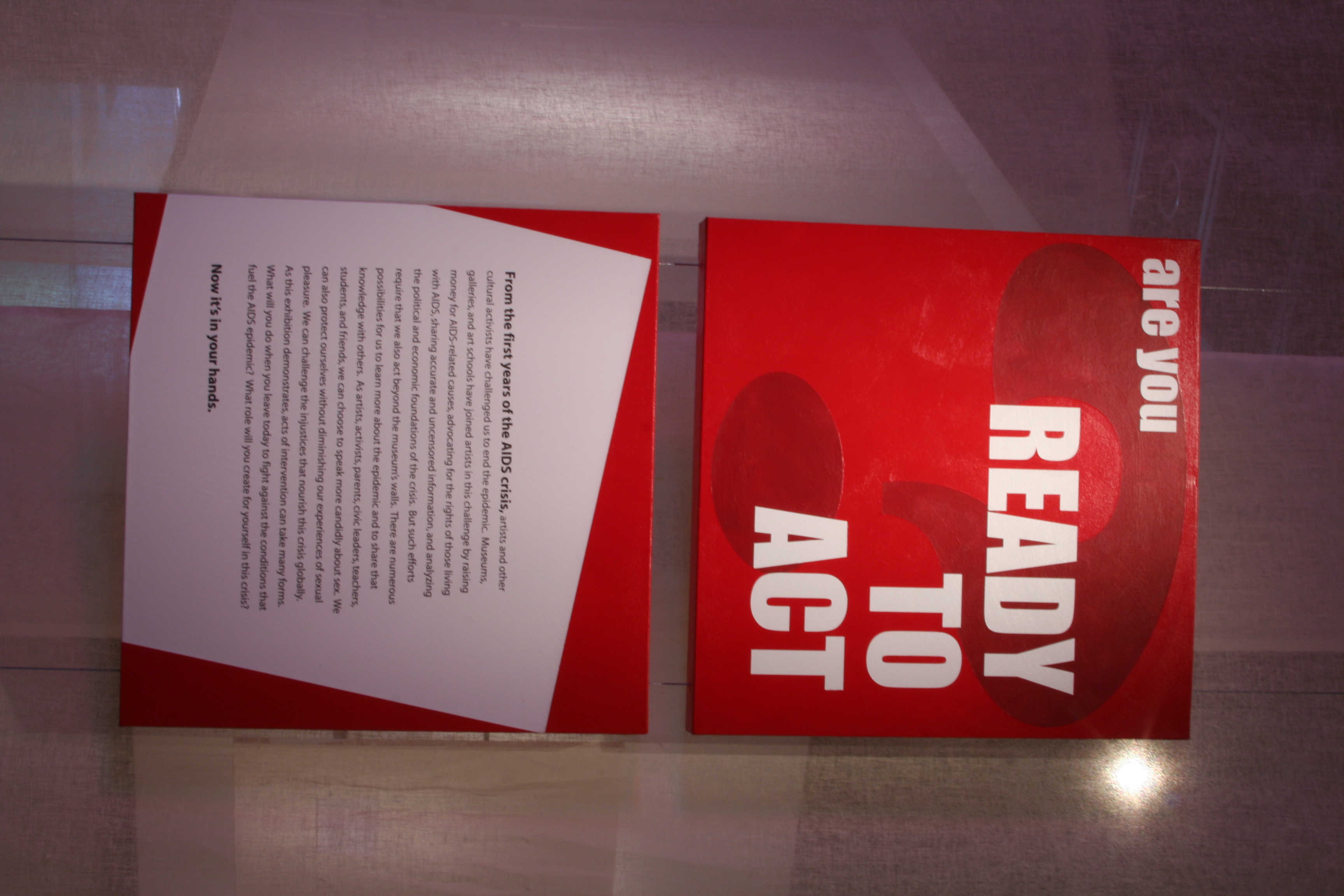
Are You Ready to Act?
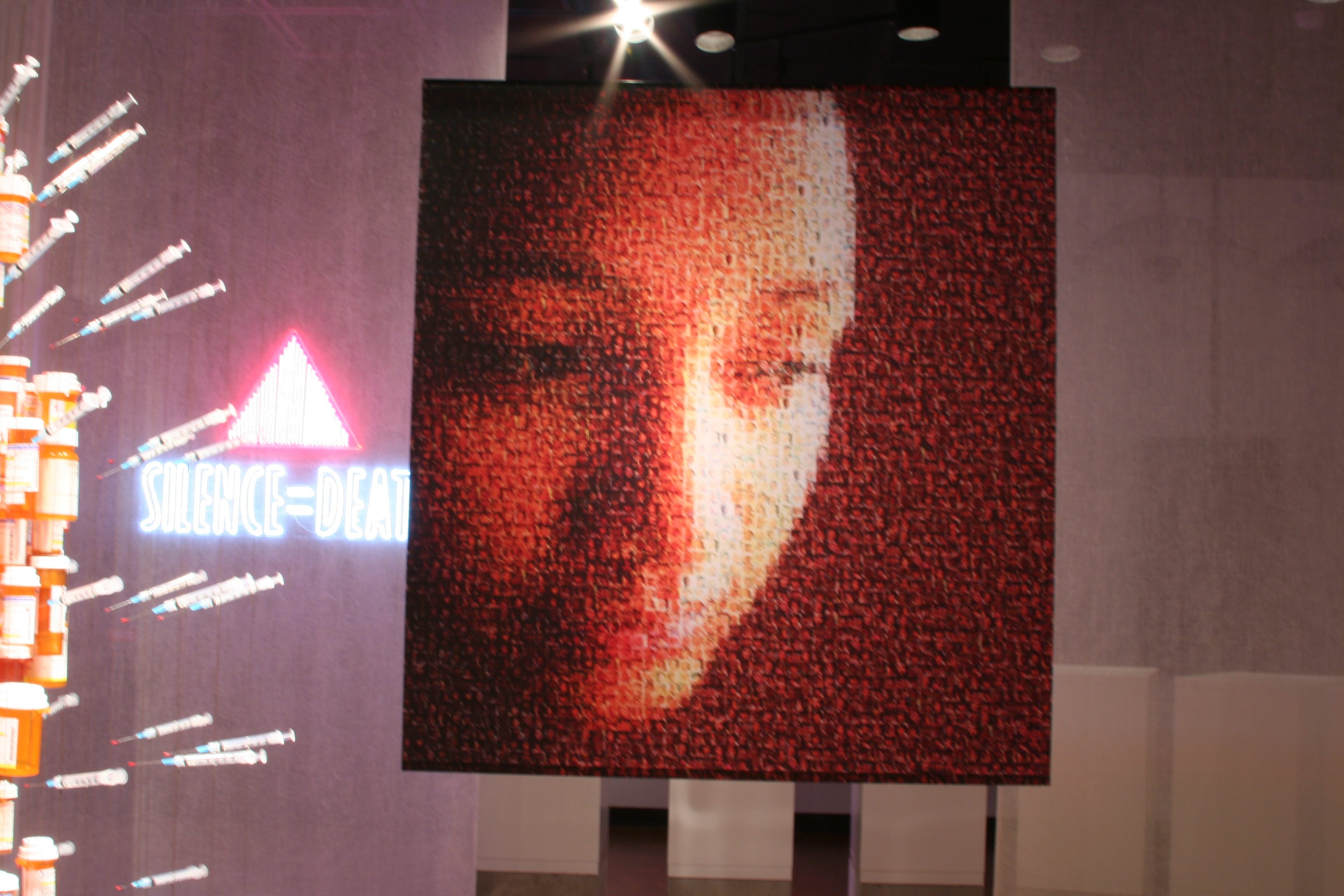
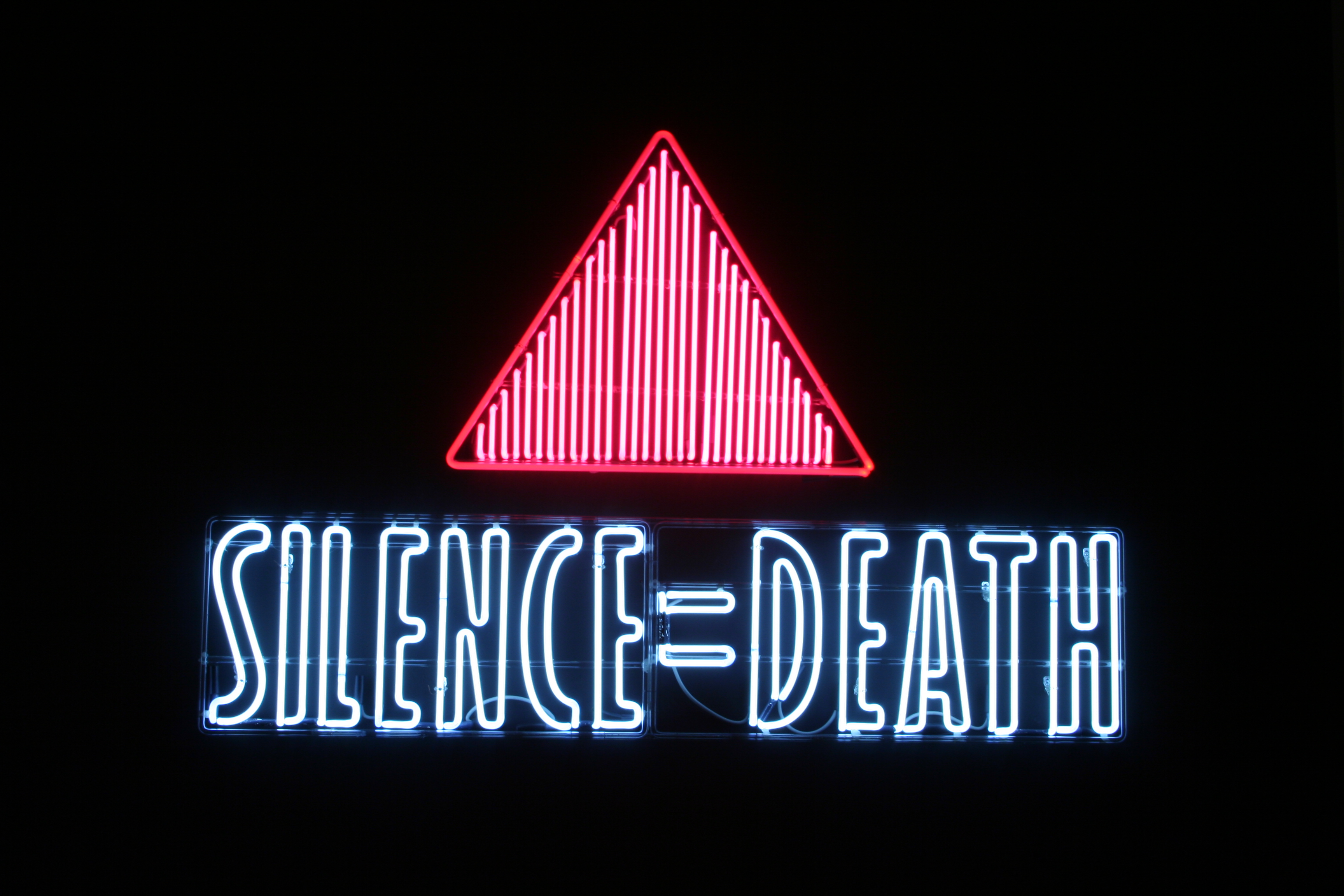
The final gallery encouraged visitors to learn more about HIV/AIDS and share that knowledge with others. A recreation of Gran Fury and ACT UP’s iconic neon sign SILENCE=DEATH, originally installed at the New Museum of Contemporary Art in New York in 1987, appeared alongside a video installation by Ultra-Red and other works demonstrating the many forms that intervention can take. Together, they asked visitors to consider their own roles in responding to HIV/AIDS.
Partial List of Artists
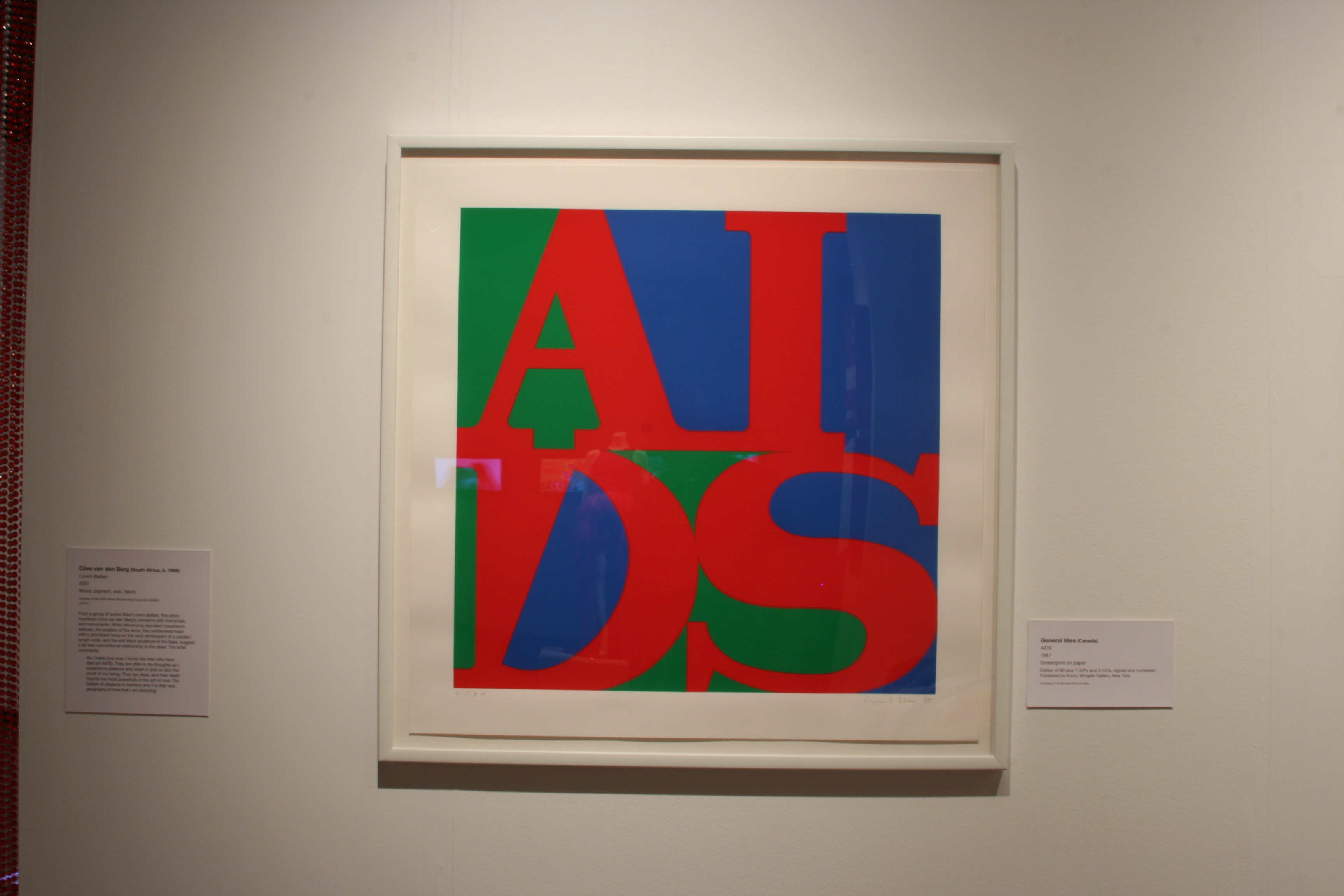
Adriana Bertini, Gregg Bordowitz, Jean Carlomusto, Chandannagar Light Collective, Sue Coe, Lewis Evans, General Idea, Robert Gober, David Goldblatt, Daniel Goldstein, Gran Fury, Sunil Gupta, Pieter Hugo, John Kapellas, William Kentridge, Fiona Kirkwood, José Leonilson Bezerra Dias, Churchill Madikida, Gideon Mendel, Zanele Muholi, Lennart Nilsson, Tracy Rhoades, Anurupa Roy, Dayanita Singh, Penelope Siopis, Jiten Thukral and Sumir Tagra, Ultra-Red, Clive van den Berg, and David Wojnarowicz.